Kimono Fabric Care Calendar and Seasonal Textile Guide
The Art of Kisetsukan: Dressing for the Season
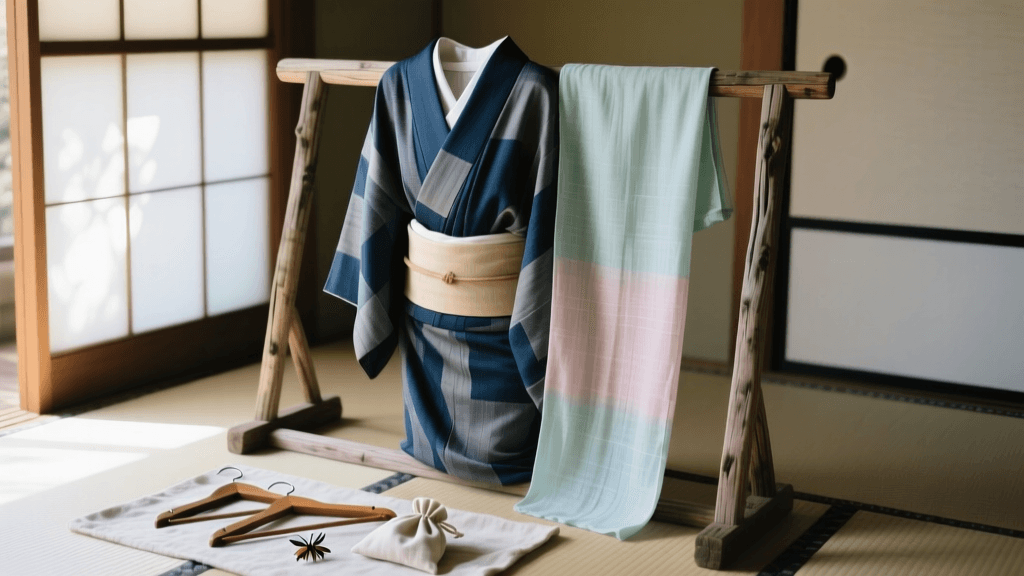
In the world of traditional Japanese garments, seasonality is not merely a matter of comfort; it is a profound cultural aesthetic known as kisetsukan. The practice of anticipating the changing seasons through textile weight, motif, and layering is central to the art of wearing a kimono. However, managing a traditional wardrobe requires more than just an eye for fashion. It demands a rigorous, year-round fabric care calendar tailored to the specific weights and weaves of silk, hemp, and synthetic blends. According to The Metropolitan Museum of Art's Heilbrunn Timeline of Art History, the structural evolution of the kimono is deeply intertwined with Japan's distinct seasonal shifts, necessitating specialized weaving techniques that range from heavy winter crepes to gossamer summer gauzes.
For collectors, practitioners, and cultural enthusiasts, understanding the intersection of textile weight and fabric preservation is critical. A failure to properly transition, clean, and store these garments according to their seasonal weight can result in irreversible damage, including silk rot, permanent creasing, and mold proliferation. This comprehensive guide outlines the seasonal textile weights of traditional Japanese clothing and provides an actionable, month-by-month care calendar to preserve your heritage garments for generations.
Seasonal Textile Weight & Garment Chart
The Japanese kimono wardrobe is broadly divided into three main categories based on lining and textile weight. The transition between these garments follows a strict traditional calendar, though modern climate control has allowed for slight adjustments. Below is the foundational chart for textile weight and seasonality.
| Season | Months | Garment Type | Textile Weight & Weave | Lining Status |
|---|---|---|---|---|
| Winter / Early Spring | October - May | Awase | Heavy silk crepe (chirimen), thick tsumugi, wool blends. | Fully lined (silk or synthetic habutae). |
| Early Summer / Early Autumn | June & September | Hitoe | Medium-weight silk, linen, hemp, or lightweight crepe. | Unlined (single layer of fabric). |
| Peak Summer | July & August | Usuginu (Ro / Sha) | Sheer silk gauze, leno weave, lightweight hemp (jofu). | Unlined (worn with sheer or mesh undergarments). |
Note: The traditional rule dictates wearing Awase from October 1st to May 31st, Hitoe in June and September, and Ro/Sha in July and August. However, modern practitioners often shift to Hitoe in late May due to rising global temperatures.
The Annual Kimono Fabric Care Calendar
Maintaining a kimono collection requires a proactive approach to fabric care. The following calendar outlines the essential maintenance tasks required to protect your textiles from environmental hazards, pests, and structural degradation.
Spring (March to May): Transition and Spot Cleaning
As you transition from heavy winter awase to lighter garments, spring is the time for inspection. Before storing your winter kimono, they must be meticulously inspected for stains. Silk is highly susceptible to water spotting and oil stains from skin contact.
- Brushing: Use a soft horsehair kimono brush. Always brush downward, following the grain of the fabric, to remove surface dust and microscopic debris that can attract pests.
- Airing: Hang garments on a specialized kimono hanger (emoto) in a shaded, well-ventilated room for 2 to 3 hours. Never expose silk to direct sunlight, as UV rays will rapidly degrade the protein fibers and cause fading.
- Collar Care: If the han-eri (detachable collar) is soiled, remove it and hand wash it with a mild, pH-neutral detergent. This prevents collar oils from migrating to the main garment.
Summer (June to August): Humidity and Sheer Fabric Management
Summer presents the greatest threat to traditional textiles due to high humidity and the delicate nature of ro and sha gauze weaves. The leno weave of summer kimono is prone to snagging and shifting if not handled with extreme care.
- Dehumidification: Maintain your storage environment at a strict 45% to 55% relative humidity. Use silica gel packets or electronic dehumidifiers in your storage room. The Victoria and Albert Museum Conservation Department emphasizes that fluctuations in relative humidity cause silk fibers to expand and contract, leading to micro-tears in aged textiles.
- Sweat Management: Summer garments must be aired out immediately after wearing. If sweat has penetrated the underarm gussets (waki), the garment must be sent for professional cleaning. Dried sweat salts will oxidize and cause yellowing that is nearly impossible to reverse.
- Handling Ro/Sha: When folding sheer summer garments, place a sheet of acid-free tissue paper between the layers to prevent the open-weave threads from catching on one another.
Autumn (September to November): The Great Airing (Mushiboshi)
Autumn is the most critical season for kimono care, centered around the traditional practice of mushiboshi (literally 'bug airing'). This is an annual ritual designed to prevent pest infestations and mold before the garments are sealed away for the winter.
- Unpacking: Open all drawers of your tansu (traditional chest). Remove the kimono from their tatoushi (storage wraps).
- Pest Inspection: Check the folds and seams for signs of carpet beetles or clothes moths. Look for fine webbing or frass (insect droppings).
- Refolding: Refold the garments along new lines if possible, or ensure the old fold lines are perfectly aligned to prevent permanent crease damage. Insert fresh, acid-free tatoushi paper (standard size: 85cm x 100cm) to buffer the silk from ambient moisture.
- Camphor Replacement: Replace traditional shono (natural camphor) or modern anti-pest papers. Ensure the pest deterrent does not touch the silk directly, as chemical reactions can cause localized staining.
Winter (December to February): Deep Storage and Climate Control
During the winter months, the focus shifts to maintaining a stable environment for the garments currently in deep storage (summer and unlined pieces).
- Temperature Stability: Keep the storage area between 65°F and 70°F (18°C - 21°C). Avoid storing kimono in attics, basements, or exterior walls where temperature swings are common.
- Chest Maintenance: If using a traditional kiri-tansu (paulownia wood chest), wipe the exterior with a dry cloth. Paulownia wood naturally regulates humidity and repels insects, but it must be kept clean to function effectively.
Professional Cleaning: Dry Cleaning vs. Arai-Hari
Unlike Western garments, kimono are rarely washed at home. When a garment requires deep cleaning, collectors must choose between modern dry cleaning and the traditional arai-hari method.
Modern Dry Cleaning
Standard dry cleaning is suitable for light soil and general maintenance. However, it is crucial to use a cleaner that specializes in traditional garments and understands the structure of the kimono. Standard commercial dry cleaning chemicals can strip the natural sericin from silk, leaving it brittle. Expect to pay between $40 and $80 USD for professional kimono dry cleaning in Western countries, and roughly ¥3,000 to ¥5,000 in Japan.
The Traditional Arai-Hari Method
For heirloom pieces, severe staining, or garments that have lost their structural integrity, arai-hari is the gold standard. This process involves completely unsewing the kimono into its original flat fabric panels. The panels are then washed in water with specialized mild detergents, stretched on wooden frames (shinshi) while damp to restore the fabric's dimensions and remove wrinkles, and finally re-sewn by a professional tailor. According to cultural heritage experts at the Smithsonian National Museum of Asian Art, traditional conservation methods like unsewing and flat-washing are vital for preserving the structural history and fiber integrity of antique textiles. Because of the immense labor involved, arai-hari is expensive, typically costing between $250 and $500 USD, and can take several months to complete.
Expert Tip: Never attempt to iron a kimono at home. The combination of heat and pressure can flatten the textured grain of chirimen (silk crepe) and cause irreversible shine on tsumugi (pongee silk). Always rely on professional steam finishing.
Conclusion: Preserving Heritage Through Routine
The longevity of a traditional Japanese garment is a direct reflection of the care it receives. By respecting the seasonal transitions of textile weights—from the protective layers of winter awase to the delicate gauze of summer ro—and adhering to a strict fabric care calendar, you become a steward of Asian textile heritage. Investing time in the mushiboshi airing rituals, monitoring environmental humidity, and utilizing traditional conservation techniques ensures that these masterpieces of woven art will continue to drape, move, and breathe for centuries to come.