Modern Japanese Casual Wear: Styling Samue and Jinbei
The Shift to Everyday Traditional Japanese Wear
When most people think of Japanese traditional clothing, the elaborate, silk kimono or the festive yukata immediately come to mind. However, as noted by cultural historians and institutions like the Victoria and Albert Museum, the formal kimono is largely reserved for ceremonies, tea gatherings, and coming-of-age festivals in contemporary Japan. For everyday comfort, the Japanese have long relied on a different class of garments: functional, breathable, and deeply rooted in the daily lives of artisans, monks, and commoners.
If you are looking to integrate traditional Japanese aesthetics into your daily wardrobe, loungewear, or casual summer outfits, the samue and the jinbei are your best options. According to Tofugu's comprehensive guide to Japanese clothing, these garments bridge the gap between historical workwear and modern casual fashion, offering unparalleled comfort without sacrificing cultural elegance.
Samue: From Zen Monasteries to Modern Loungewear
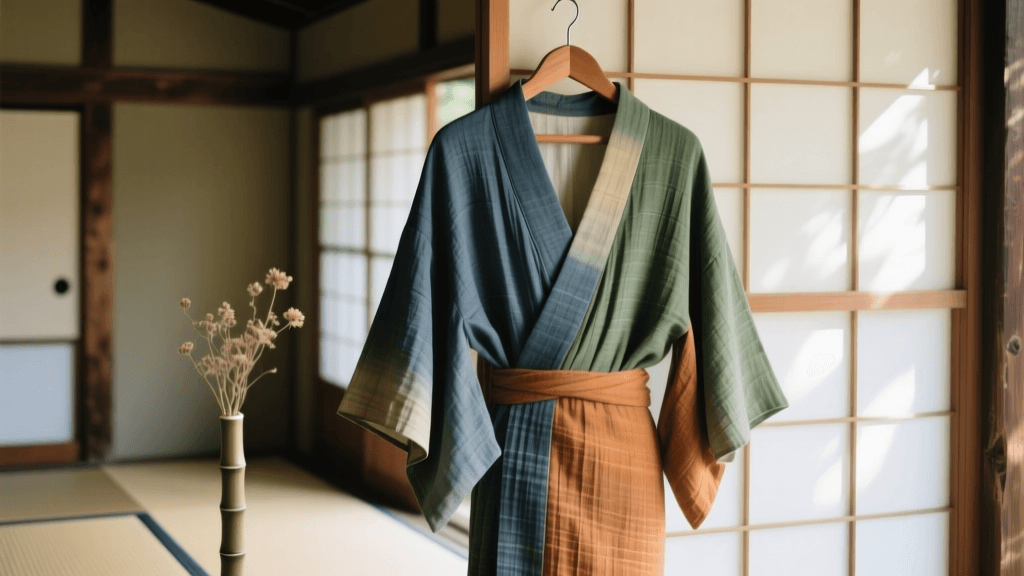
The samue (作務衣) translates literally to 'clothing for work.' Originally developed centuries ago for Zen Buddhist monks to wear during samu (mindful physical labor such as sweeping, chopping wood, and farming), the samue has evolved into a staple of Japanese casual wear. Today, it is worn by artisans, chefs, potters, and increasingly, by people worldwide as premium loungewear or work-from-home attire.
A traditional samue consists of two pieces: a wrap-style jacket (uwagi) and loose-fitting, ankle-tied trousers (zubon). The jacket is secured with simple side ties, eliminating the need for complex obi knots or accessories.
Fabric and Craftsmanship
Authentic samue are typically crafted from high-quality cotton or cotton-linen blends. The most prized fabric is Kurume cotton (Kurume-gasuri), a traditional textile from Fukuoka Prefecture known for its intricate, pre-dyed woven patterns that are breathable and incredibly durable. For colder months, you can find samue made from quilted cotton or heavy waffle-weave textiles that provide excellent insulation while remaining flexible.
Practical Sizing and Fit Guide
Unlike Western clothing, Japanese traditional garments are designed with a generous, relaxed fit. However, because the trousers feature elastic or drawstring waists and ankle cuffs, getting the length right is crucial. Below is a practical sizing chart based on standard Japanese measurements:
| Size | Jacket Length | Pants Length | Target Height (cm / in) |
|---|---|---|---|
| S | 70 cm (27.5') | 95 cm (37.4') | 155 - 165 cm (5'1' - 5'5') |
| M | 74 cm (29.1') | 100 cm (39.3') | 165 - 175 cm (5'5' - 5'9') |
| L | 78 cm (30.7') | 105 cm (41.3') | 175 - 185 cm (5'9' - 6'1') |
| LL (XL) | 82 cm (32.2') | 110 cm (43.3') | 185+ cm (6'1'+) |
Actionable Tip: If you are between sizes, always size up. The samue is meant to drape loosely; a tight samue restricts movement and ruins the garment's relaxed aesthetic.
Jinbei: The Breezy Essential for Summer Festivals
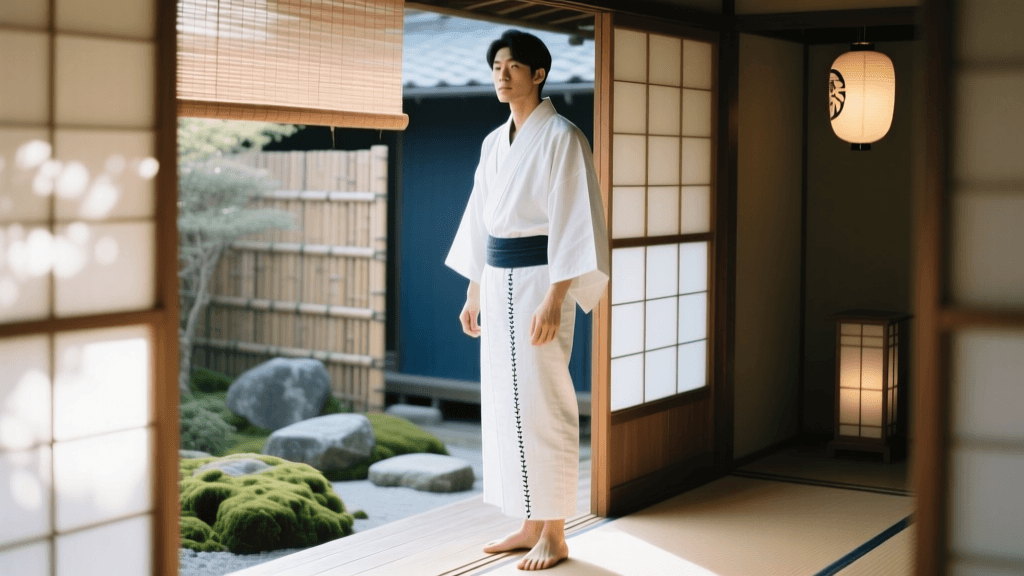
If the samue is the king of year-round comfort, the jinbei (甚平) is the undisputed champion of Japanese summer casual wear. Originating in the Edo period as a short, sleeveless kimono worn by commoners, the modern jinbei is a two-piece set consisting of a short-sleeved wrap top and matching shorts.
As highlighted by the Japan Experience cultural guides, the jinbei is the go-to garment for attending summer fireworks festivals (hanabi taikai), lounging on the veranda, or running quick errands in the sweltering July heat. The shorts feature slits along the outer seams to promote airflow, making them significantly cooler than standard Western shorts.
How to Wear and Tie a Jinbei
Wearing a jinbei is remarkably simple, but doing it correctly ensures the garment stays secure and looks intentional.
- The Wrap: Always wrap the left side of the jacket over the right side. (Wrapping right-over-left is strictly reserved for dressing the deceased in Japanese funerary rites).
- The Inner Tie: Secure the inner right-side string first to anchor the jacket.
- The Outer Tie: Tie the outer left-side string on the right hip. Use a simple bow or a secure square knot.
- The Shorts: The shorts feature a drawstring or elastic waist. Ensure the side slits are aligned with your outer thighs for maximum ventilation.
Samue vs. Jinbei: A Quick Comparison
Not sure which garment to add to your wardrobe? Use this comparison chart to decide based on your lifestyle needs:
| Feature | Samue | Jinbei |
|---|---|---|
| Seasonality | Year-round (fabric dependent) | Strictly Summer |
| Components | Long-sleeve/3/4 sleeve jacket, long pants | Short-sleeve top, short pants |
| Formality | Smart-casual (acceptable in some traditional workplaces) | Strictly casual (loungewear, festivals, beach) |
| Price Range (USD) | $45 - $250+ | $25 - $90 |
Footwear and Accessories: Completing the Look
To truly elevate your samue or jinbei from 'pajamas' to 'intentional traditional casual wear,' footwear is essential. Avoid wearing athletic sneakers with these garments. Instead, opt for traditional Japanese sandals.
For jinbei in the summer, a pair of wooden geta or woven rush-grass sandals pairs perfectly. For the samue, consider wearing setta—traditional Japanese sandals with a leather sole and a thonged strap. Setta are elegant, comfortable for walking, and provide a grounded, artisan-like silhouette. If you are wearing your samue indoors as loungewear, invest in a pair of igusa (woven rush) slippers, which naturally absorb moisture and smell faintly of fresh tatami mats.
Cost, Care, and Where to Buy Authentic Pieces
When shopping for authentic Japanese casual wear, you will encounter three main tiers of quality and pricing:
- Budget ($25 - $50): Mass-produced cotton and polyester blends. Great for a first-time jinbei purchase or basic summer loungewear. Often found on Amazon Japan or general import sites.
- Mid-Range ($60 - $130): 100% Japanese cotton, featuring regional textiles like Iyo-kasuri or waffle weaves. Excellent for daily samue wear. Brands like Monya or Izutsu offer fantastic entry-level authentic pieces.
- Artisan / Premium ($150 - $300+): Hand-dyed indigo (aizome), premium Kurume-gasuri, or silk-linen blends. These are investment pieces meant to last a decade or more.
Care Instructions for Traditional Dyes
If you purchase a garment dyed with natural Japanese indigo (aizome), you must alter your laundry routine. Never wash natural indigo with other clothing, as the dye will bleed continuously for the first several washes. Wash by hand in cold water using a pH-neutral detergent, and always dry in the shade. Direct sunlight will rapidly degrade natural indigo, turning your deep navy samue into a patchy, faded grey.
'The beauty of the samue lies in its relationship with the body. It does not restrict; it accommodates. It is clothing that asks you to move, to work, and to live comfortably within your own space.'
Conclusion
Integrating traditional Japanese garments into your everyday life does not require attending a formal tea ceremony or mastering the art of obi tying. The samue and jinbei offer a deeply practical, historically rich, and incredibly comfortable alternative to modern fast-fashion loungewear. By paying attention to sizing, selecting natural regional fabrics, and pairing your outfit with traditional footwear, you can embrace the mindful, relaxed elegance of Japanese casual wear anywhere in the world.