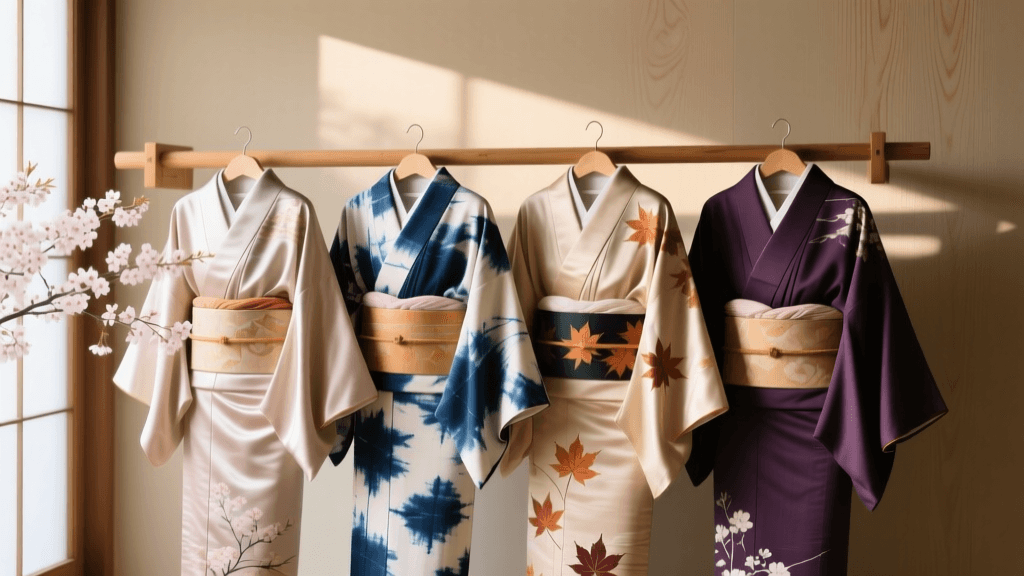
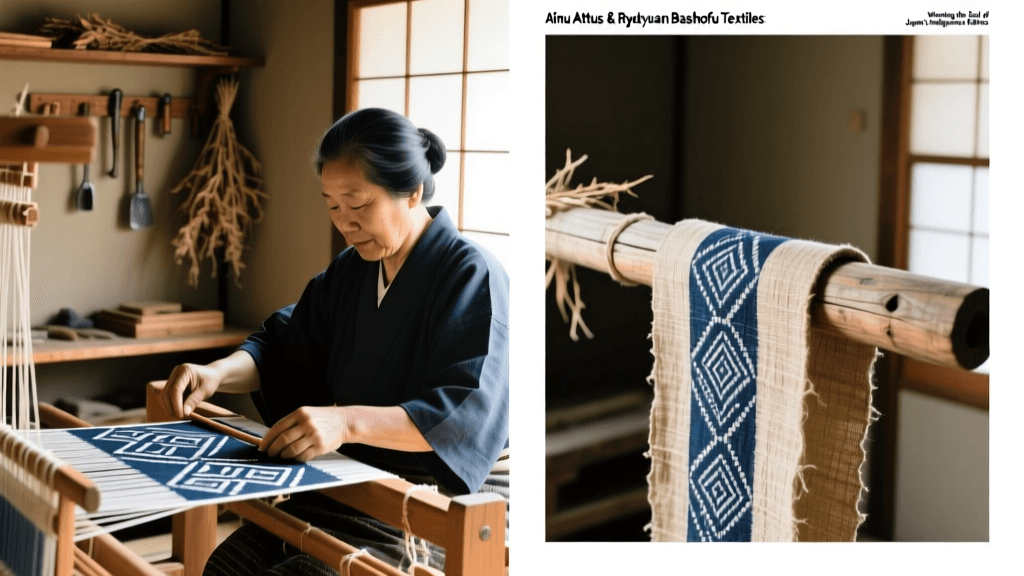
Sustainable Kimono Fashion: Natural Dyes & Upcycled Silk
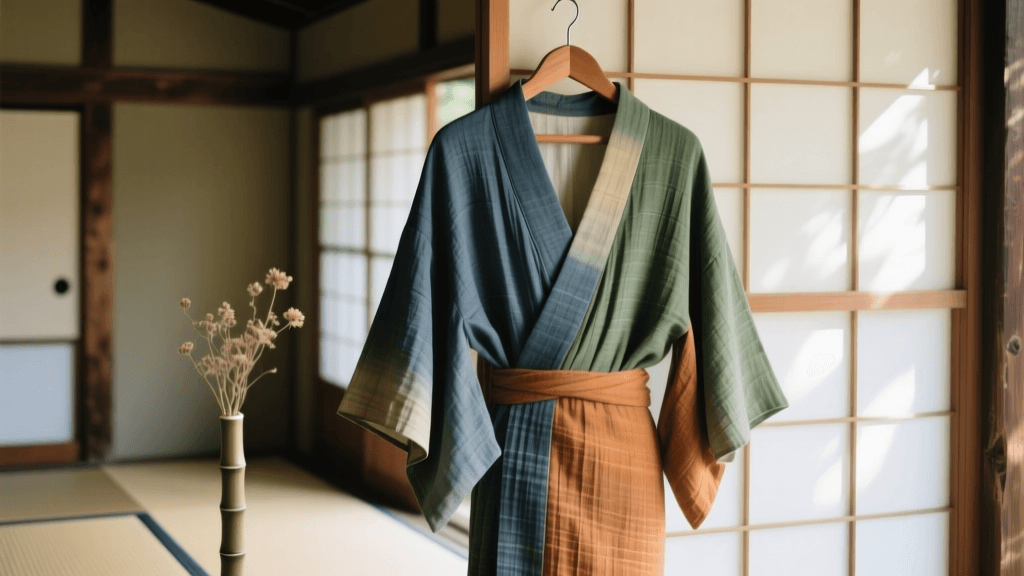
The Environmental Crossroads of the Modern Kimono
The kimono is universally recognized as a masterpiece of Japanese cultural heritage, a garment that embodies centuries of artistic refinement, seasonal awareness, and meticulous craftsmanship. However, the modern textile industry's shadow has inevitably fallen upon traditional Japanese fashion. Today, the market is saturated with mass-produced, polyester kimono and chemically dyed fabrics that cater to fast-fashion sensibilities and budget-conscious tourists. While these synthetic alternatives offer convenience and machine-washability, they come at a severe environmental cost, contributing to microplastic pollution, toxic wastewater, and the erosion of ancestral artisanal techniques.
In response, a powerful counter-movement is taking root within the Asian traditions and global sustainable fashion spheres: the renaissance of ethical kimono production. Driven by the deeply ingrained Japanese philosophy of mottainai (a sense of regret concerning waste), modern artisans, eco-conscious brands, and vintage curators are reviving natural dyeing methods and championing the circular economy of upcycled silk. For the culturally conscious consumer, navigating this landscape requires an understanding of traditional textiles, ethical sourcing, and practical garment care.
The Hidden Toll of Fast-Fashion Kimono
To appreciate the value of sustainable kimono production, one must first understand the environmental toll of its mass-produced counterparts. The majority of inexpensive, modern kimono sold in fast-fashion retail chains and online marketplaces are woven from petroleum-based polyester. The production of synthetic silk alternatives relies heavily on fossil fuels, and the dyeing processes utilize chemical azo dyes and heavy metal mordants that frequently contaminate local waterways. Furthermore, when these synthetic garments are washed or eventually discarded in landfills, they shed microplastics that persist in the ecosystem for centuries. By contrast, traditional, ethically produced kimono rely on biodegradable materials and closed-loop agricultural systems that actively regenerate the environment.
The Renaissance of Aizome: Tokushima Indigo
At the forefront of the sustainable kimono movement is the revival of aizome, or natural Japanese indigo dyeing. Unlike synthetic indigo, which is derived from petrochemicals, true aizome relies on the fermentation of the Persicaria tinctoria plant. In Tokushima Prefecture, the historic heartland of Japanese indigo, farmers and dyers are resurrecting the labor-intensive process of creating sukumo (dried, fermented indigo leaves). The fermentation process takes over three months and requires meticulous temperature control and the addition of natural alkaline agents like wood ash lye and sake.
Sustainable brands and artisan collectives, such as the renowned Buaisou, have revolutionized this space by controlling the entire supply chain—from sowing the indigo seeds to harvesting, fermenting, and hand-dyeing the silk threads. Garments dyed with natural indigo possess unique properties: they are naturally antibacterial, insect-repellent, and offer a depth of color that evolves beautifully with age and wear. When shopping for an authentic aizome kimono or haori, look for slight color variations and a faint, earthy scent, which are hallmarks of botanical fermentation.
Beyond Indigo: Botanical Pigments and Natural Mordants
Ethical kimono production extends far beyond indigo. Artisans are increasingly utilizing a diverse palette of botanical dyes, including akane (madder root) for deep reds, kariyasu (Japanese grass) for vibrant yellows, and kakishibu (fermented persimmon tannin) for rich, water-resistant browns. Unlike chemical dyes that bond to synthetic fibers through toxic reactions, natural dyes require organic mordants such as alum, iron, or soy milk to fix the pigment to the silk. This ensures that the entire lifecycle of the garment, from cultivation to eventual decomposition, remains non-toxic and ecologically harmonious.
The Circular Economy: Upcycling and Vintage Silk
Perhaps the most accessible entry point into sustainable Japanese fashion is the vintage and upcycled kimono market. Japan possesses a vast, untapped reservoir of high-quality silk garments stored in household tansu (chests). As younger generations inherit these collections, a booming recycling economy has emerged. Ethical fashion designers are deconstructing vintage kimono and obi (sashes) to create modern, gender-inclusive garments, wrap skirts, and structured outerwear.
Upcycling honors the original artisan's labor while adapting the textile for contemporary lifestyles. The practice of sashiko (decorative reinforcement stitching) and boro (mending with scraps) is frequently employed to repair minor flaws in vintage silk, transforming imperfections into striking, avant-garde design elements. Purchasing vintage or upcycled kimono not only diverts textiles from landfills but also drastically reduces the carbon footprint associated with new silk sericulture and international shipping.
Comparison Chart: Synthetic vs. Ethically Produced Kimono
| Feature | Mass-Produced Polyester Kimono | Ethically Sourced Silk & Natural Dye Kimono |
|---|---|---|
| Material Origin | Petroleum-based synthetic fibers | Cultivated silk (sericulture) or upcycled vintage silk |
| Dyeing Process | Chemical azo dyes, heavy metal mordants | Botanical dyes (indigo, madder), natural mordants |
| Environmental Impact | Microplastic shedding, toxic wastewater | Biodegradable, agricultural byproduct utilization |
| Cost (USD) | $50 - $150 (New) | $400 - $2,000+ (New) / $40 - $250 (Vintage) |
| Breathability | Low (traps heat and moisture) | High (temperature regulating, moisture-wicking) |
| Longevity | Degrades, pills, and loses shape over time | Can last centuries if properly maintained and stored |
Actionable Guide: Building a Sustainable Kimono Wardrobe
Transitioning to an ethical kimono wardrobe requires practical knowledge of sizing, sourcing, and authentication. Unlike Western clothing, kimono are not sized by standard S/M/L metrics; they are tailored based on precise bodily measurements.
Understanding Kimono Measurements
- Yuki (Arm Span): Measured from the center of the back of the neck, over the shoulder, and down to the wrist bone. A standard vintage women's kimono typically has a yuki of 62cm to 66cm, fitting heights between 150cm and 165cm.
- Mitake (Back Length): Measured from the base of the neck down to the desired hemline. For a traditional ankle-grazing fit, the mitake should be roughly your total height minus 20cm to 30cm, allowing for the ohashori (the waist fold).
- Katahaba (Shoulder Width): The distance from the center back seam to the edge of the sleeve. This dictates the drape and volume of the garment.
Where to Source Ethical and Vintage Garments
For new, ethically produced garments, seek out brands that hold the official Traditional Craft Mark designated by the Japanese government. According to the Ministry of Economy, Trade and Industry (METI), this certification ensures that the product is made using traditional techniques, primarily by hand, and utilizes historically accurate materials. For vintage and upcycled pieces, the Oedo Antique Market in Tokyo and the Toji Temple Flea Market in Kyoto are premier destinations. Online, platforms specializing in verified Japanese vintage textiles offer curated selections of pre-loved silk, ensuring your purchase supports the circular economy.
Care and Maintenance of Natural Dyes
Owning a naturally dyed or vintage silk kimono requires a departure from modern laundry habits. Botanical dyes are photosensitive and pH-reactive. To preserve the integrity of your ethical garments:
- Avoid Direct Sunlight: Prolonged UV exposure will rapidly fade natural indigo and madder dyes. Always dry your kimono in a shaded, well-ventilated area.
- Spot Clean Only: Never submerge natural-dyed silk in water. Use a damp cloth with a pH-neutral soap to gently dab stains. For deep cleaning, consult a specialist in arai-hari (the traditional method of un-stitching, washing, and re-stitching the kimono fabric).
- Proper Storage: Store your silk garments wrapped in tatou (acid-free, breathable paper). Avoid plastic garment bags, which trap moisture and encourage mold growth. Do not use camphor or synthetic mothballs, as their chemical fumes can react with natural dyes and cause irreversible discoloration; opt for natural hinoki (cypress) wood blocks instead.
Supporting the Artisans and the Future of Asian Traditions
The shift toward sustainable kimono production is not merely a trend; it is a vital preservation effort for Japan's intangible cultural heritage. By choosing natural dyes and upcycled silk, consumers directly fund the agricultural cycles of indigo farmers and the meticulous loom-work of rural weavers. Organizations like the Japan National Tourism Organization (JNTO) actively promote these regional craft hubs, encouraging cultural tourism that sustains local artisan economies. Embracing ethical Japanese fashion allows us to wear these magnificent garments with a clear conscience, ensuring that the vibrant, living traditions of the kimono continue to thrive for generations to come.