Kimono Fabric Seasonality Guide and Annual Care Calendar
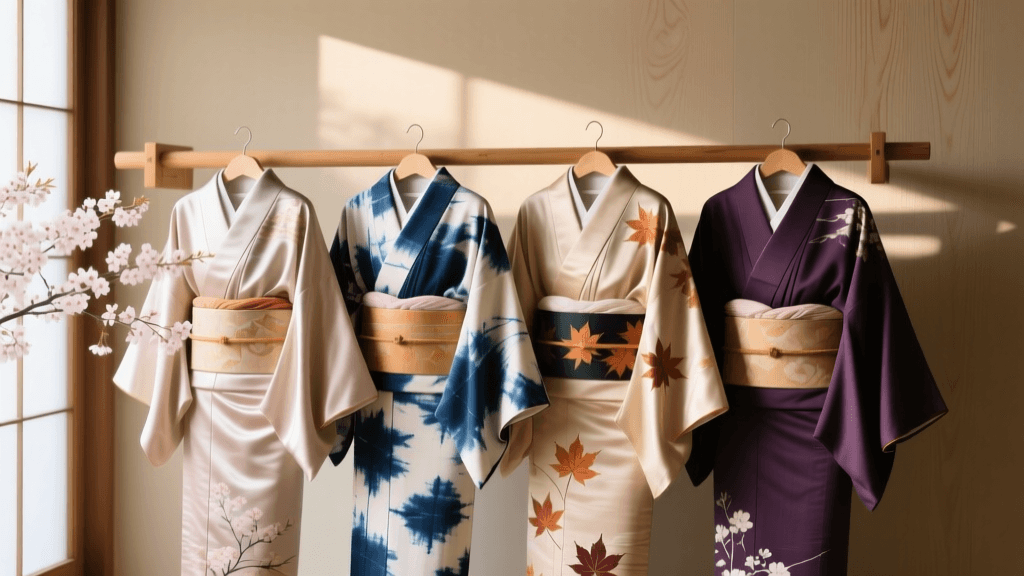
In the realm of traditional Japanese clothing, the concept of kisetsukan (seasonal feeling) dictates not only the motifs embroidered on a garment but the very physical weight, weave, and opacity of the textile itself. Unlike Western fashion, which often relies on layering interchangeable pieces year-round, the kimono tradition requires a strict adherence to seasonal textile weights. This practice, deeply rooted in the Heian period court, ensures that the wearer is in perfect harmony with the natural environment. According to the Metropolitan Museum of Art's Heilbrunn Timeline, the evolution of the kimono from the kosode to the highly codified garment of the Edo period was intrinsically linked to these seasonal transitions and the sumptuary laws that governed textile production.
However, owning seasonal silk garments is only half the equation. The humid summers and dry winters of Japan necessitate a rigorous, calendar-based approach to fabric care. This guide explores the three tiers of kimono textile weight and provides a comprehensive, month-by-month care calendar to preserve these masterpieces of Asian textile heritage.
The Three Tiers of Kimono Textile Weight
The Japanese wardrobe transition, known as koromogae, is historically observed on specific dates. While modern climate control has softened these strict boundaries, traditionalists and practitioners of tea ceremony still adhere to the three primary categories of kimono textile weights.
1. Awase (袷) - The Lined Kimono
Awase refers to lined kimono, worn during the cooler months from October through May. The outer layer is typically made of chirimen (silk crepe) or tsumugi (pongee silk), which provides a dense, textured surface that traps heat. The lining, or hakkake, is usually a smooth, lightweight silk habutae that allows the garment to glide over the undergarments (nagajuban). The weight of an awase kimono is substantial, offering structural drape and wind resistance.
2. Hitoe (単衣) - The Unlined Kimono
Hitoe translates to 'single layer' and is worn during the transitional months of June and September. These garments are constructed without an inner lining, making them significantly lighter and more breathable than awase. The textile is often a tightly woven silk crepe or a heavier gauze that provides modesty without the insulation of a lining. As noted by the Victoria and Albert Museum, the mastery of unlined garments requires impeccable tailoring, as the internal seams and stitches are visible and must be finished flawlessly.
3. Usumono (薄物) - The Sheer Summer Kimono
Reserved for the peak of summer in July and August, usumono are sheer, translucent garments woven using complex leno techniques. The two primary weaves are ro (which features horizontal striped gaps in the weave) and sha (which features a more uniform, net-like gauze). These textiles are incredibly lightweight, allowing air to circulate directly against the skin and undergarments, providing a vital cooling effect in Japan's oppressive summer humidity.
Seasonal Transition Rules (Koromogae)
| Month | Textile Weight | Japanese Term | Climatic Notes & Styling |
|---|---|---|---|
| January - May | Lined | Awase | Cold to mild. Heavy crepes, rich linings. |
| June | Unlined | Hitoe | Early humidity. Breathable single-layer weaves. |
| July - August | Sheer | Usumono | Peak heat. Translucent ro and sha gauze weaves. |
| September | Unlined | Hitoe | Transitional cooling. Return to opaque single layers. |
| October - December | Lined | Awase | Cold weather. Return to lined silk crepes. |
The Annual Kimono Fabric Care Calendar
Silk is a protein fiber that is highly susceptible to environmental fluctuations. High humidity invites mold and weakens the fiber, while extreme dryness can make it brittle. Furthermore, the traditional dyes used in kimono, such as those detailed in the Japanese Textiles Timeline, can be sensitive to alkaline substances and prolonged light exposure. Follow this calendar to ensure the longevity of your collection.
Spring (March - May): Airing and Inspection
As the weather warms and before the rainy season begins, it is time for mushi-boshi (bug airing).
- Action: Remove all awase kimono from storage. Unfold them completely and hang them over specialized bamboo poles in a well-ventilated, shaded room.
- Timing: Choose a dry, breezy day with low humidity (below 55%). Never air silk in direct sunlight, as UV rays will rapidly degrade the protein structure and fade natural dyes.
- Inspection: Check the lining for early signs of foxing (brown spots) and inspect the seams for tension or fraying.
Summer (June - August): Humidity Control and Stain Management
Japan's tsuyu (rainy season) in June and July is the most dangerous time for silk textiles. Mold spores thrive when relative humidity exceeds 65%.
- Action: Keep kimono sealed in Paulownia wood (kiri) chests, which naturally expand in high humidity to create an airtight seal. Place silica gel desiccant packets in the corners of the drawers, ensuring they do not directly touch the fabric.
- Wear Care: When wearing usumono or hitoe in summer, sweat stains are a major risk. Always wear a high-quality, washable cotton or silk hadajuban (under-shirt) and susoyoke (half-slip) to absorb perspiration. If sweat reaches the kimono, gently dab the area with a barely damp cloth and allow it to air dry immediately before folding.
Autumn (September - November): Deep Cleaning and Arai-Hari
Autumn is the traditional season for sending garments to the cleaners before they are packed away for the winter.
- Action: Evaluate which garments require arai-hari, the traditional method of kimono washing. Unlike modern dry cleaning, arai-hari involves completely unsewing the kimono into its original flat fabric bolts (tanmono).
- The Process: The bolts are washed in water using mild, specialized soaps, then stretched on large wooden boards (itaba) or bamboo frames to dry and realign the weave. Finally, the garment is meticulously resewn by a tailor. This process removes deep-seated oils and resets the drape of the silk, but it is costly and time-consuming, usually reserved for high-value heirloom pieces.
- Spot Cleaning: For minor localized stains, utilize a trusted shimi-nuki (stain removal) artisan who specializes in yuzen dyed silks.
Winter (December - February): Archival Storage and Pest Prevention
Winter air is dry, which is generally safe from mold but invites pests like carpet beetles and clothes moths that feed on silk proteins and organic sizing.
- Wrapping: Never store kimono in plastic, which traps moisture and off-gasses chemicals that yellow silk. Wrap each folded garment in tatoushi—traditional, acid-free, unbleached paper made from mulberry or gampi fibers. Standard dimensions for a tatoushi wrapper are approximately 85cm x 65cm.
- Pest Deterrents: Avoid modern chemical mothballs (like naphthalene), which can react with metallic threads and gold leaf (surihaku), causing them to tarnish or dissolve. Instead, use natural camphor (shounou) or dried cloves placed in small muslin bags in the corners of the storage drawers.
Essential Care Products and Storage Specifications
To properly execute this care calendar, specific archival materials are required. Investing in the correct storage infrastructure is just as important as the garments themselves.
- Paulownia Tansu (Chests): The gold standard for kimono storage. A standard drawer should measure roughly 100cm wide, 40cm deep, and 15cm high, allowing the kimono to lay flat without excessive compression. Paulownia wood is naturally fire-resistant, lightweight, and regulates internal humidity.
- Tatoushi Paper: Must be pH-neutral (around 7.0). Replace the paper every 3 to 5 years, or immediately if you notice any yellowing or acidity transfer.
- Desiccants: Use B-type silica gel, which is designed to absorb moisture at higher humidity levels and can be regenerated by baking in an oven at low heat. Replace or regenerate every 6 months.
- Kimono Hangers: Use wide, specialized bamboo or padded hangers (emongi) for short-term airing. Never use wire or narrow wooden hangers, which will distort the shoulder seams and stretch the delicate silk crepe.
Conclusion
The preservation of traditional Japanese garments is an active, ongoing dialogue with the natural world. By respecting the seasonal boundaries of awase, hitoe, and usumono, and by diligently following a climate-responsive care calendar, collectors and practitioners ensure that these textiles survive for future generations. The kimono is not merely a piece of clothing; it is a woven calendar, a canvas of cultural memory, and a testament to the artisan's deep understanding of nature's cycles.