Kimono in Global Media: Styling Authentic Cinematic Looks
The Intersection of Tradition and Global Pop Culture
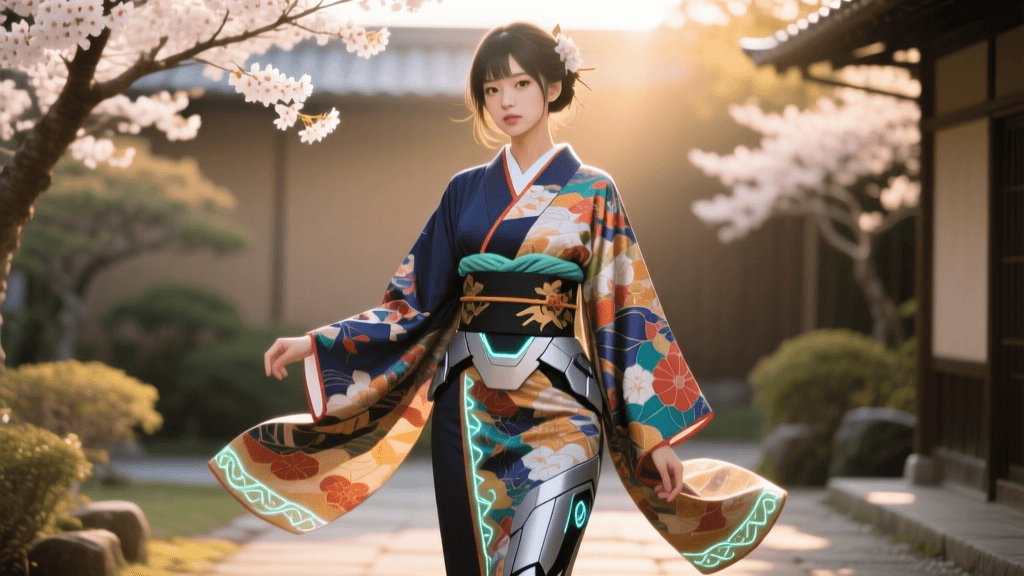
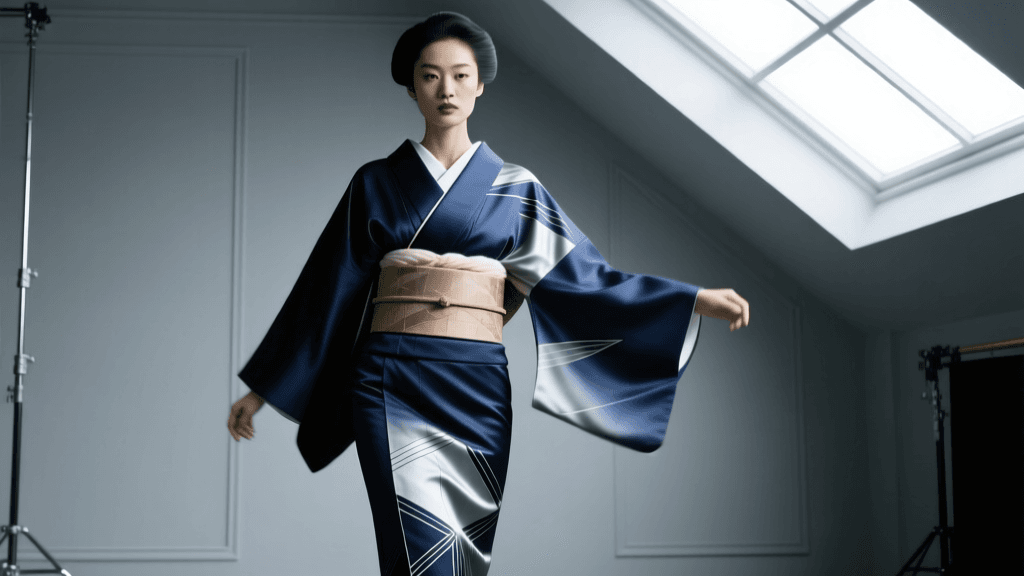
The traditional Japanese kimono is one of the most recognizable garments in the world. Beyond its deep cultural roots in Japan, the kimono and its associated garments—such as the hakama, haori, and obi—have profoundly influenced global pop culture, cinema, and media. From the sweeping robes of sci-fi space operas to the stylized jackets of modern anime, Japanese traditional clothing has become a visual shorthand for mysticism, martial prowess, and futuristic elegance. However, as these garments cross borders and enter the realm of Hollywood costuming and global cosplay, the line between authentic kitsuke (the art of dressing) and media-driven tropes often blurs. For enthusiasts, collectors, and cosplayers, understanding this intersection is vital for recreating iconic looks with respect and accuracy.
The Silver Screen Samurai: Kimono in Western Cinema
Western cinema has long borrowed from Japanese sartorial traditions to build immersive worlds. Perhaps the most famous example is the Star Wars franchise, where the Jedi Order’s robes are heavily inspired by the layered kimono and hakama of feudal Japanese monks and samurai. Similarly, films like Kill Bill and Memoirs of a Geisha brought the striking silhouettes of traditional Japanese workwear and formalwear to global audiences. Yet, Hollywood prioritizes dramatic flair over historical accuracy. Costumers often use heavy, shiny satins that lack the structured drape of authentic silk tango or cotton tsumugi. Furthermore, the foundational rules of wearing the garment are frequently ignored for the sake of the camera. According to the Metropolitan Museum of Art's Heilbrunn Timeline of Art History, the kimono is not merely a piece of clothing but a deeply structured cultural artifact where every fold, layer, and seasonal motif carries specific meaning—a nuance often lost in Western media adaptations.
Anime and the Neo-Traditional Aesthetic
In the realm of Japanese animation (anime) and manga, traditional garments are frequently reimagined through a 'neo-traditional' lens. Series like Demon Slayer (Kimetsu no Yaiba) and Jujutsu Kaisen feature characters wearing haori (half-coats) and hakama with bold, anachronistic patterns that blend Taisho-era romance with modern streetwear sensibilities. This has sparked a massive global trend in cosplay and alternative fashion, where fans seek to replicate these screen-accurate looks. The Victoria and Albert Museum's landmark exhibition, 'Kimono: Kyoto to Catwalk', highlighted how the kimono has continuously evolved, proving that its integration into global pop culture and contemporary fashion is a continuation of its historical adaptability rather than a dilution of its heritage.
Media Tropes vs. Authentic Kitsuke (Dressing)
When recreating pop culture looks, it is crucial to understand where media takes liberties. Below is a comparison chart detailing common cinematic tropes versus the authentic rules of kitsuke.
| Styling Element | Hollywood / Anime Trope | Authentic Traditional Rule |
|---|---|---|
| Collar Crossing | Often symmetric, deeply plunged, or right-over-left for 'edgy' characters. | Always left-over-right (right-over-left is strictly reserved for dressing the deceased). |
| Obi Knot | Massive, highly decorative bows placed on the back for all ages and genders. | Knot size, shape, and placement are strictly dictated by age, gender, and marital status. |
| Hemline | Draping and dragging on the floor to emphasize dramatic movement. | Ankle-bone length with an okumori (fold at the waist) to allow for walking. |
| Fabric Choice | Shiny satin, thin cotton, or cheap polyester that clings to the body. | Structured silk, crisp hemp, or high-quality poly-chirimen that holds a tubular silhouette. |
Actionable Guide: Recreating Iconic Pop Culture Looks
Whether you are building a convention-accurate cosplay or integrating traditional Japanese garments into your daily streetwear, here is a practical guide to sourcing and styling iconic pop culture silhouettes.
Look 1: The Sci-Fi Ronin (Jedi / Cyberpunk Samurai Fusion)
This look relies on the hakama (pleated trousers) and a layered juban (under-robe). It is a staple for sci-fi conventions and avant-garde street fashion.
- Garments Needed: A 5-panel or 7-panel umegiri hakama, a cotton juban, and a simple kaku-obi (men's stiff belt).
- Measurements: The hakama length must be measured from your navel to your ankle bone. The back width (yuki) should match your arm span plus 2 inches to ensure the sleeves drape correctly without restricting movement.
- Cost: $80–$150 USD for a high-quality cotton or poly-blend set from specialized online vendors.
- Timing: Order 6–8 weeks before your event. Authentic vendors often ship directly from Kyoto or Tokyo, and you may need to factor in time for minor hemming adjustments.
- Styling Tip: To achieve the 'sci-fi' drape seen in media without breaking traditional rules, use a hidden himo (tie) to secure the okumori (waist fold) so the garment doesn't trip you during action choreography.
Look 2: The Shonen Anime Haori (e.g., Demon Slayer)
The haori is a hip- or thigh-length jacket worn over a kimono. In anime, it is often used to denote a character's rank or lineage through specific geometric or elemental patterns.
- Garments Needed: A custom-dyed or screen-printed haori, a haori-himo (front tie cord), and modern trousers or a hakama.
- Measurements: Standard anime replica haori sleeve lengths (sodetake) are typically 49cm. The shoulder width should sit precisely at the edge of your natural shoulder to maintain the boxy, structured silhouette.
- Cost: $120–$250 USD. Screen-accurate dye-sublimation on polyester chirimen is cheaper ($120), while traditional yuzen hand-painting on silk will push the cost past $400.
- Timing: Custom dyers require 3–4 weeks for production. If commissioning a traditional artisan, expect a 3-month waitlist.
Sourcing and Wardrobe Organization for the Collector
Collecting traditional garments inspired by media requires proper care to maintain their structural integrity. Unlike Western clothing, kimono and haori are cut in straight lines from single bolts of fabric (tanmono) and are meant to be disassembled, washed, and re-sewn.
Storage and Maintenance
- Hangers: Never use wire or standard wooden hangers. The weight of the garment will distort the shoulders. Invest in specialized kimono hangers with wide, curved bamboo or plastic shoulder supports (approx. 40cm wide).
- Wrapping: Store silk garments in tatou-shi (traditional acid-free paper) or breathable cotton storage bags. Avoid plastic bins, which trap moisture and cause silk to yellow or mold.
- Folding: Learn the traditional hon-datami folding method. Proper folding aligns the seams, preventing permanent creases in the silk and ensuring the garment remains flat and ready for wear.
Conclusion: Honoring the Craft in a Globalized Era
The global fascination with Japanese fashion in media is a testament to the timeless beauty and structural brilliance of the kimono. While Hollywood and anime may bend the rules for dramatic effect, enthusiasts have the unique opportunity to bridge the gap between pop culture fantasy and historical reality. By understanding the precise measurements, authentic fabrics, and foundational rules of kitsuke, fans can elevate their cosplay and fashion from mere costume to a respectful, living homage to Japanese textile arts. Whether you are donning a hakama for a sci-fi convention or styling a vintage haori for a streetwear photoshoot, the key lies in honoring the garment's origins while embracing its global evolution.