Sustainable Kimono: Guide to Ethical Silk and Natural Dyes
The Environmental Cost of Modern Kimono Production
The kimono is globally recognized as a masterpiece of Japanese cultural heritage, representing centuries of refined aesthetics, seasonal awareness, and artisanal mastery. However, the modernization of the garment industry has introduced significant environmental challenges to traditional kimono production. In the mid-20th century, the widespread adoption of synthetic fibers, such as polyester, and chemical dyes drastically reduced the cost of kimono, making them accessible to the masses and tourists. Unfortunately, this shift also resulted in a heavy reliance on petroleum-based textiles, toxic azo dyes, and energy-intensive manufacturing processes that contribute to microplastic pollution and water contamination.
Today, a growing movement of artisans, environmentalists, and conscious consumers is reclaiming the sustainable roots of the kimono. By returning to ethical silk production, natural plant-based dyes, and zero-waste cutting techniques, the traditional Japanese garment is emerging as a powerful symbol of the global slow fashion movement. Understanding how to identify, purchase, and care for these eco-friendly garments is essential for anyone looking to support ethical Asian traditions.
The Inherent Zero-Waste Geometry of the Kimono
Before examining the materials, it is crucial to understand the inherently sustainable design of the kimono itself. Unlike Western tailoring, which relies on curved patterns that generate significant textile waste, the kimono is constructed from a single bolt of fabric known as a tanmono. A standard tanmono measures exactly 38 centimeters in width and 12 meters in length. This entire bolt is cut into straight, rectangular panels to create the body, sleeves, and collars of the garment.
Because the kimono is composed entirely of straight lines, there is virtually zero fabric waste during the cutting process. Furthermore, the garment is stitched using a specialized technique that allows it to be completely disassembled back into its original rectangular panels. This modular design means a kimono can be easily re-dyed, resized, or repurposed into other items like haori jackets, cushions, or even children's clothing, embodying the ultimate circular fashion economy long before the term was coined.
Ethical Silk: The Yuki-tsumugi Renaissance
Silk is a natural, biodegradable protein fiber that, when produced ethically, has a remarkably low environmental impact compared to synthetic alternatives. One of the most celebrated examples of sustainable silk production in Japan is Yuki-tsumugi, a traditional weaving technique primarily practiced in Ibaraki and Tochigi prefectures. Recognized for its exceptional craftsmanship, UNESCO inscribed Yuki-tsumugi on its Representative List of the Intangible Cultural Heritage of Humanity.
The production of Yuki-tsumugi is a masterclass in ethical, low-impact manufacturing. The process begins with silk floss from defective cocoons that would otherwise be discarded. Artisans hand-stretch this floss and spin it into yarn without adding any twist, relying entirely on the natural adhesion of the silk fibers and the moisture of the weaver's hands. This eliminates the need for chemical binding agents or heavy mechanical processing. The yarn is then dyed using natural plant extracts and woven on a traditional backstrap loom called a jibata. The weaver uses their entire body to maintain tension, resulting in a fabric that is incredibly lightweight, warm, and durable enough to be passed down through multiple generations.
Natural Dyes: Ai-zome and the Rejection of Synthetic Chemicals
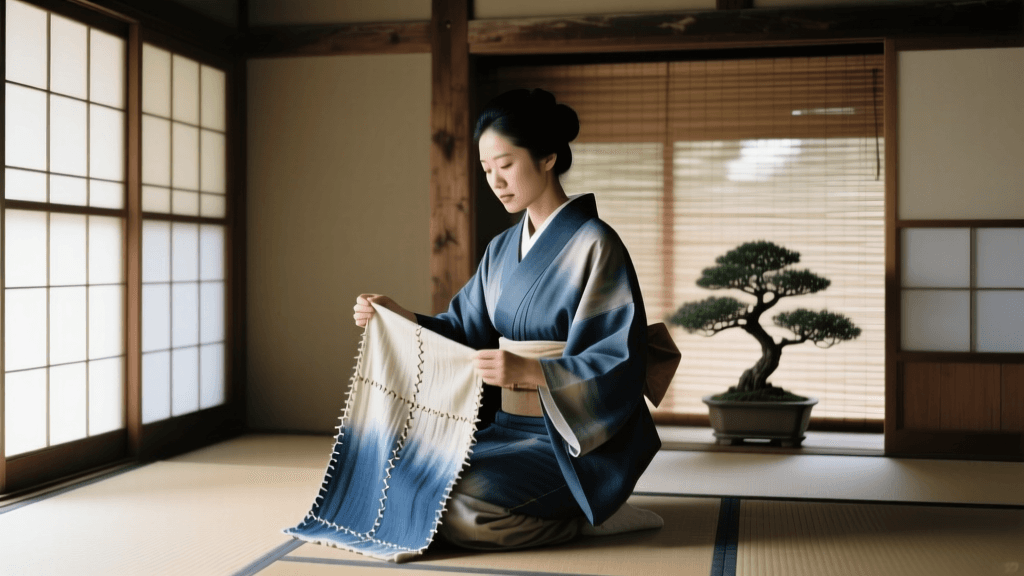
The dyeing process is where the textile industry causes the most severe environmental damage, with synthetic dye runoff polluting waterways globally. In stark contrast, traditional Japanese natural dyeing, or shokubutsu zome, utilizes roots, bark, flowers, and leaves. The most famous of these is ai-zome, or Japanese indigo dyeing.
Authentic ai-zome relies on sukumo, which are indigo leaves (Persicaria tinctoria) that have been composted and fermented for over 100 days. The dye vat is a living ecosystem, maintained with wood ash lye, sake, and wheat bran to feed the indigo-reducing bacteria. This entirely organic process produces the deep, rich blues that are iconic in Japanese textiles. Unlike synthetic indigo, which is derived from petrochemicals and requires heavy metals as mordants, natural ai-zome is completely biodegradable. The spent dye vat can be safely returned to the earth as fertilizer, and the resulting fabric possesses natural antibacterial, deodorizing, and UV-protective properties.
Material Comparison: Mass-Produced vs. Artisanal Kimono
When shopping for a kimono, understanding the material composition is vital for making an environmentally conscious decision. The table below compares the environmental and practical profiles of different kimono materials available on the market today.
| Material Type | Environmental Impact | Biodegradability | Expected Lifespan | Average Cost (USD) |
|---|---|---|---|---|
| Mass-Produced Polyester | High (Petroleum-based, microplastics) | Non-biodegradable | 5 - 15 years | $30 - $150 |
| Conventional Commercial Silk | Moderate (High water/energy use, chemical dyes) | Biodegradable (if undyed/organically dyed) | 30 - 50 years | $300 - $1,500 |
| Sustainable Artisanal Silk (e.g., Yuki-tsumugi) | Low (Hand-processed, zero-waste, natural dyes) | Fully biodegradable | 100+ years | $2,000 - $10,000+ |
| Upcycled / Vintage Silk | Negative (Extends lifecycle, prevents waste) | Biodegradable | Varies by condition | $100 - $800 |
How to Identify and Purchase Sustainable Kimono
Sourcing a truly sustainable kimono requires looking beyond surface-level aesthetics and verifying the garment's provenance. Here is actionable advice for ethical purchasing:
- Look for the Dentou Kougeihin Mark: The Japanese government designates specific crafts as Traditional Craft Products. Garments bearing the official Dentou Kougeihin seal guarantee that the item was handcrafted using traditional techniques and materials in its specific region of origin. You can verify designated crafts and regions through the Association for the Promotion of Traditional Craft Industries.
- Investigate the Dye: Ask the retailer or artisan specifically if the fabric was dyed using shokubutsu zome (plant dyes) or kagaku senryou (chemical dyes). Regions like Tokushima (famous for indigo) and Amami Oshima (famous for mud-dyed silk) are renowned for their natural dyeing heritage.
- Embrace the Circular Economy: Japan has a thriving 'recycle kimono' market. Purchasing vintage or antique silk kimono from specialized shops in Kyoto or Tokyo is one of the most sustainable choices you can make. It requires zero new resources and preserves historical craftsmanship. Look for shops specializing in komono (antique textiles) and ensure the silk is free of deep stains or brittle spots.
- Support Remake Culture: Many modern Japanese designers are upcycling damaged vintage kimono into contemporary garments, bags, and accessories. Supporting these brands gives a second life to beautiful, high-quality silk that might otherwise end up in a landfill.
Eco-Friendly Care and Maintenance
The sustainability of a garment is directly tied to its lifespan. Proper, eco-friendly care ensures that a natural silk kimono can survive for centuries. Modern dry cleaning often utilizes perchloroethylene (PERC), a toxic chemical that degrades silk fibers over time and poses severe environmental and health risks.
Instead of frequent chemical cleaning, adopt the traditional Japanese method of kageboshi (shade drying). After wearing a kimono, hang it on a specialized bamboo hanger in a well-ventilated, shaded area for 24 to 48 hours. This allows the natural silk fibers to release absorbed moisture and odors. For storage, avoid plastic bags, which trap humidity and cause mold. Wrap the kimono in breathable, acid-free tatoushi paper and store it in a wooden drawer made of kiri (paulownia) wood, which naturally regulates humidity. To protect against moths without using toxic pesticides, place natural camphor (shounou) or dried cedar blocks in the storage drawers.
By choosing ethically produced silk, supporting natural dye artisans, and embracing traditional, chemical-free maintenance methods, consumers can help preserve the magnificent legacy of the kimono while actively participating in a more sustainable, equitable global fashion ecosystem.