Hakama and Samue: Traditional Uniforms for Tea and Martial Arts
The Philosophy of Shozoku: Dressing the Mind
In Japanese culture, the garments you wear are never merely functional; they are deeply tied to your mental state, your respect for the environment, and your dedication to a specific discipline. This concept is vividly alive in the worlds of Budo (martial arts) and Chado (the way of tea). Whether you are stepping onto the tatami mats of a dojo to practice Aikido or kneeling in a tranquil tearoom to perform a tea ceremony, the traditional uniform you don serves as a psychological bridge between the mundane world and the sacred space of practice.
The term shozoku refers to traditional attire or vestments. In both martial arts and chanoyu (tea ceremony), changing into your uniform is the first physical act of meditation. It signals to your brain that it is time to leave daily distractions behind and enter a state of focused presence. Understanding the nuances of these garments—specifically the hakama, samue, and keikogi—is essential for any serious practitioner looking to honor the traditions they study.
The Hakama: Shared Heritage in Budo and Chado
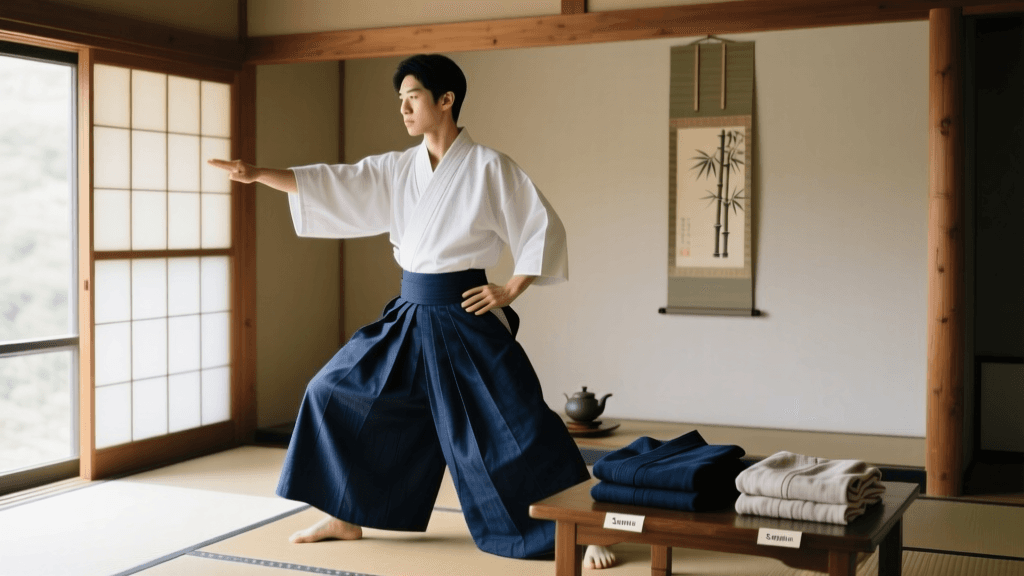
The hakama is a pleated, divided skirt worn over a kimono or training jacket. Historically worn by samurai to protect their legs while riding horses and to hide their footwork in combat, the hakama evolved into a symbol of status, formality, and martial spirit. Today, it remains a cornerstone of both martial arts and formal tea ceremonies, though the specifications and fabrics differ significantly based on the context.
Martial Arts Hakama (Budo)
In disciplines like Aikido, Kendo, and Iaido, the hakama is designed for rigorous physical movement. It must withstand grappling, rapid footwork, and frequent washing. Therefore, martial arts hakama are typically constructed from heavy-duty cotton, canvas, or a polyester-cotton blend known as Tetron. Tetron is particularly popular in modern dojos because it resists wrinkling, holds its pleats beautifully after machine washing, and dries quickly.
The martial arts hakama usually features a rigid back plate called a koshita, which helps keep the garment securely in place during dynamic throws and falls. The colors are strictly regulated by the dojo, with black, navy blue, and occasionally white being the standard. The heavy fabric provides a satisfying swish during movement and helps the practitioner feel grounded and centered.
Tea Ceremony Hakama (Chado)
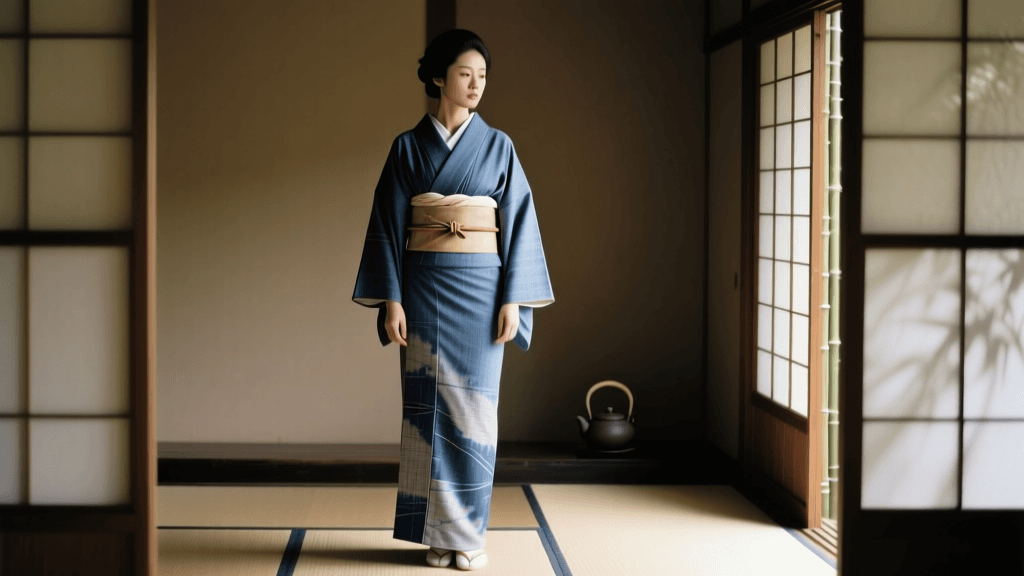
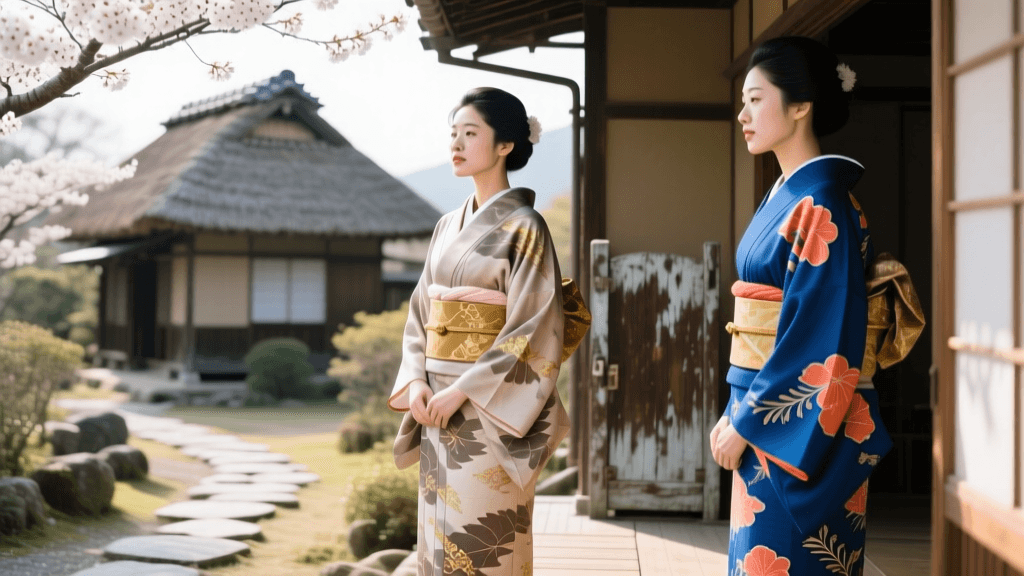
Conversely, the hakama worn for formal tea gatherings prioritizes elegance, subtlety, and quiet movement over durability. As noted in studies of traditional Japanese garments, the aesthetics of tea ceremony attire lean heavily on understated luxury. Tea ceremony hakama are often made from fine silk, high-quality synthetic crepe, or lightweight wool. The colors are muted and harmonious with the seasons—think charcoal, deep olive, plum, or subtle pinstripes.
Unlike the rigid koshita of the martial arts hakama, the tea ceremony hakama often features a softer, more flexible back panel or no back plate at all, allowing the practitioner to sit comfortably in seiza (kneeling) for extended periods without the hard plate digging into their spine. The pleats are meticulously pressed to remain sharp while the host gracefully glides across the tatami mats.
Samue and Keikogi: The Working and Training Uniforms
While the hakama is reserved for formal practice and ceremonies, the day-to-day preparation and training require different garments: the samue and the keikogi.
The Samue: The Versatile Working Garment
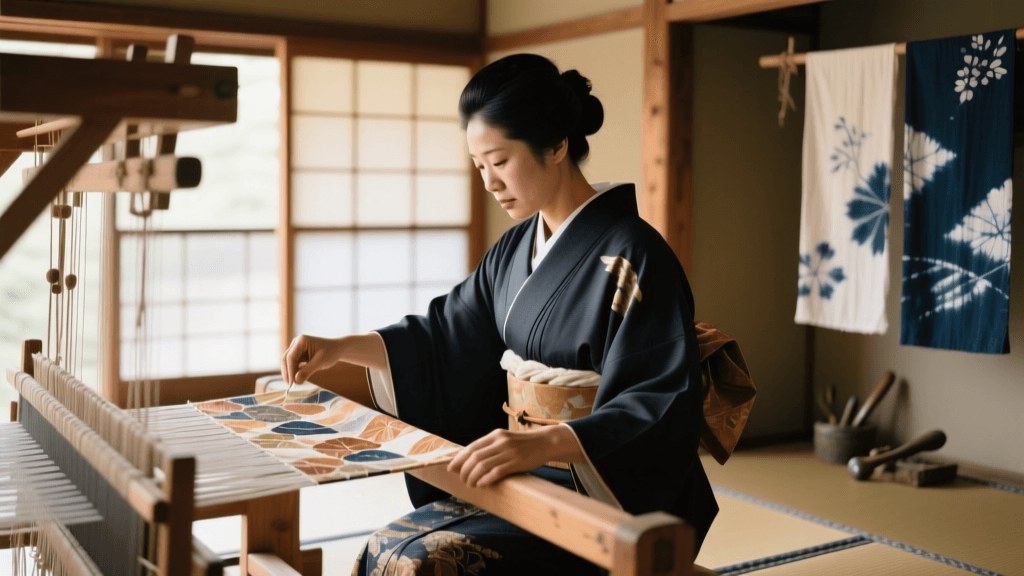
The samue translates to 'working clothes' and was originally developed for Zen Buddhist monks to wear while performing daily chores, gardening, and temple maintenance. Today, it is the quintessential uniform for tea ceremony preparation (cleaning the tearoom, preparing the charcoal, and arranging flowers) and is also widely worn in dojos for casual practice, cleaning, and warm-ups.
A samue consists of a wrap-around jacket with a tie closure and matching loose-fitting trousers with elastic or drawstring cuffs. When selecting a samue, consider the season. Summer samue are made from lightweight, breathable cotton or linen blends (often featuring washi paper thread for extra cooling). Winter samue utilize heavier cotton, quilted linings, or tsumugi (slub silk) for warmth. For tea practitioners, earth tones like indigo, brown, and slate gray are preferred to maintain a natural, unobtrusive aesthetic.
The Keikogi: The Martial Training Jacket
The keikogi (training jacket) is the upper half of the standard martial arts uniform. In Aikido and Judo, this is a heavy, quilted cotton jacket designed to withstand grabbing and throwing. In Kendo and Iaido, practitioners wear a lighter, breathable cotton or mesh jacket called a keikogi or dogi, often paired with a haori (half-coat) for formal demonstrations. The weave of the cotton—such as the diamond-shaped sashiko weave—provides both structural integrity and excellent sweat absorption.
Comparative Guide: Choosing Your Traditional Uniform
Selecting the right garment requires understanding the specific demands of your practice. Below is a structured comparison to help you make an informed purchase.
| Feature | Martial Arts Hakama (Budo) | Tea Ceremony Hakama (Chado) | Samue (Working Uniform) |
|---|---|---|---|
| Primary Use | Dojo training, sparring, grading | Formal tea gatherings, ceremonies | Tearoom prep, temple chores, casual dojo wear |
| Standard Fabrics | Tetron (poly-cotton), heavy canvas | Silk, fine crepe, lightweight wool | 100% Cotton, linen, tsumugi silk |
| Back Panel (Koshita) | Rigid, trapezoidal, heavily reinforced | Soft, flexible, or completely absent | N/A (Jacket and trouser set) |
| Average Cost (USD) | $45 - $120 | $150 - $400+ | $40 - $150 |
| Maintenance | Machine washable, easy pleat care | Dry clean only or careful hand wash | Machine washable, tumble dry low |
Actionable Sizing and Measurement Guide
Unlike Western clothing, which is sized by waist and inseam, the hakama is sized primarily by length, specifically the himotake. Getting this measurement wrong will result in a garment that either drags dangerously on the floor or rides too high, exposing the ankles and disrupting the formal silhouette.
How to Measure for a Hakama
- Find your natural waist: For men, this is typically just below the navel. For women, it is often at the natural waistline or slightly higher, depending on the specific school's dressing rules.
- Measure the Himotake: Using a soft measuring tape, measure from your natural waist (front), down to the prominent bone on the outside of your ankle (the lateral malleolus). This is your himotake length.
- Consult the Size Chart: Japanese hakama sizes are usually denoted by numbers (e.g., Size 22, 24, 26, 28), which correspond to the himotake in traditional units or specific centimeter ranges. A Size 24 typically fits a himotake of roughly 90-95 cm (approx. 35-37 inches).
- Check the Waist (Koshi-mawari): Ensure the front and back ties (himo) are long enough to wrap around your waist and tie securely in the front with a neat, flat knot.
Pro Tip: When trying on a new hakama, wear the shoes or tabi (split-toe socks) you intend to practice in. The hem should rest exactly one inch above the floor when standing barefoot or in tabi, ensuring you do not step on the fabric during kneeling transitions.
Care, Maintenance, and the Ritual of Folding
The care of your traditional uniform extends far beyond simple laundry; it is an extension of your practice. The meticulous folding of the hakama is a meditative ritual in itself, designed to preserve the pleats and honor the garment.
Washing Guidelines
- Tetron/Cotton Hakama & Samue: These can be machine washed on a gentle cycle with cold water. Use a mild detergent. Never use bleach, as it weakens the fibers and ruins the deep indigo or black dyes. Hang to dry in the shade; direct sunlight will fade the fabric.
- Silk/Wool Tea Hakama: Avoid machine washing entirely. Spot clean minor stains with a damp cloth. For a full clean, take the garment to a dry cleaner who specializes in Japanese textile arts and traditional garments, or gently hand wash in cold water with specialized silk shampoo.
The Art of Folding
Folding a hakama is a required skill for any practitioner. The process involves aligning the five front and two back pleats with absolute precision. You begin by laying the hakama flat, smoothing out the front panels, and carefully folding the sides inward to match the center creases. The ties are then wrapped in a specific, interlocking pattern that creates a compact, secure square. This folding process forces the practitioner to slow down, focus on their breathing, and mentally review the day's training or tea gathering before putting the garment away.
Conclusion
Whether you are executing a flawless throw on the dojo mat or whisking matcha in a silent tearoom, your traditional uniform is your silent partner. The hakama, samue, and keikogi are not just relics of the past; they are living garments that demand respect, proper care, and mindful wear. By understanding the distinct differences between martial arts and tea ceremony attire, and by taking the time to measure, maintain, and fold your garments correctly, you deepen your connection to the rich cultural tapestry of Japanese traditions. Dress with intention, and the discipline will follow.