Modern Qipao Styling: Evolution And Everyday Wardrobe Guide
The Living Silhouette: Understanding the Qipao's Evolution
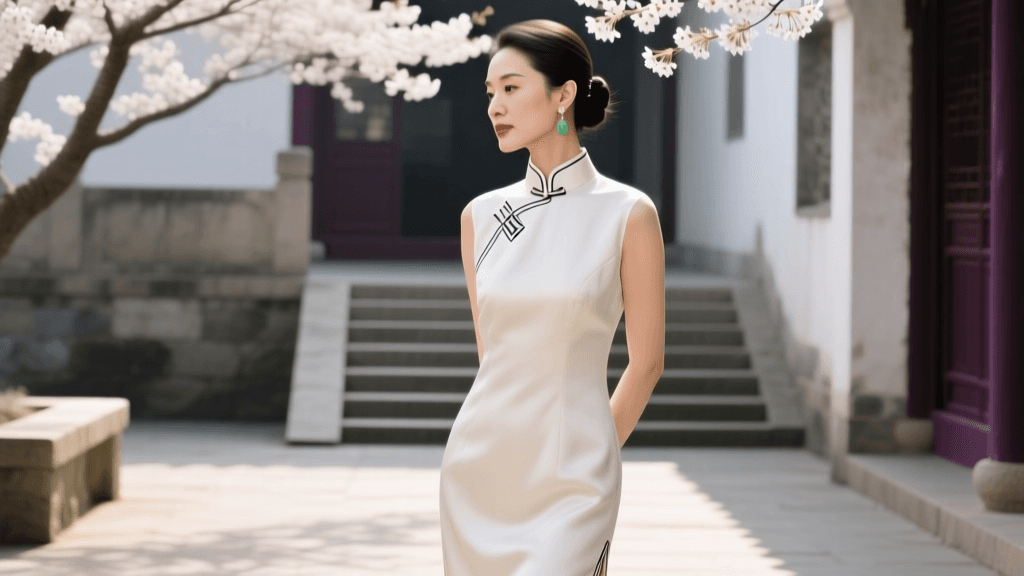
The qipao, also widely known as the cheongsam, is arguably the most globally recognized garment in Chinese sartorial history. However, treating it merely as a static relic of the past or a costume for festive occasions does a disservice to its dynamic history. Today, the qipao is experiencing a massive renaissance, driven by the Xin Zhongshi (New Chinese Style) movement, which blends traditional tailoring with contemporary, everyday wearability. For the modern wardrobe, the qipao is no longer just formalwear; it is a versatile canvas for personal expression.
1920s: The Intellectual Rebellion
The modern qipao was born in the 1920s during the May Fourth Movement. Originally, it was a loose, androgynous, floor-length garment adopted by progressive female students and intellectuals as a symbol of gender equality and modern education. It featured a high collar and wide sleeves, deliberately obscuring the natural curves of the body to reject the restrictive, patriarchal fashions of the Qing Dynasty.
1930s-1940s: Shanghai Glamour and Western Influence
As the garment moved into the cosmopolitan hub of Shanghai, it underwent a radical transformation. Influenced by Western flapper fashion and Hollywood cinema, the qipao became form-fitting, featuring darting at the bust and waist, calf-length hemlines, and high side slits. As noted in The Metropolitan Museum of Art's landmark exhibition on Chinese fashion, this era represented a profound cross-cultural exchange, where traditional Chinese silk embroidery met Western geometric art deco patterns and modern textile manufacturing.
1960s: The Hong Kong Silhouette
By the mid-20th century, the epicenter of qipao fashion shifted to Hong Kong. The silhouette became shorter, more structured, and heavily reliant on stiff brocades and heavy interfacing. This is the era immortalized by Maggie Cheung in the film In the Mood for Love, characterized by towering, stiff mandarin collars and immaculate, restrictive tailoring that prioritized a sculpted hourglass figure over comfort.
2020s: Xin Zhongshi and the Gen Z Revival
Today, the 'New Chinese Style' movement has completely deconstructed the rigid rules of the 1960s. Young designers and consumers are embracing drop-shoulder qipaos, A-line cuts, and unconventional fabrics like washed denim and raw linen. According to ongoing cultural trend reports from the South China Morning Post's fashion desk, this revival is heavily driven by Gen Z consumers who view traditional garments not as costumes, but as everyday streetwear that asserts cultural confidence.
Deconstructing the Modern Qipao: Fabrics, Costs, and Sourcing
If you are looking to integrate a qipao into your daily rotation, the choice of fabric dictates its versatility. Move away from the stiff, synthetic polyester brocades often sold in tourist markets. Instead, look for materials that drape well and breathe.
- Mulberry Silk and Xiangyunsha: Ideal for elevated evening wear or summer events. Xiangyunsha (gambiered gauze silk) is a premium, heritage-dyed silk from Guangdong that is naturally cooling, water-resistant, and develops a beautiful patina over time.
- Cotton-Linen Blends: The best choice for everyday, casual wear. These fabrics offer a relaxed drape, are machine-washable (on gentle cycles), and pair beautifully with sneakers and denim jackets.
- Washed Denim and Heavyweight Cotton: Popular in modern streetwear interpretations, these fabrics provide structure without the stiffness of traditional brocade, making them perfect for autumn layering.
Cost and Sourcing Expectations
Understanding the market will help you budget appropriately for a quality garment:
- Off-the-Rack (Fast Fashion & Boutique): $50 - $150. Best for experimenting with modern cuts and cotton blends. Watch out for poorly placed pankou (frog fasteners) and cheap metal zippers.
- Made-to-Measure (Contemporary Studios): $300 - $800. You provide your measurements, and the studio adjusts a base pattern. This is the sweet spot for high-quality silk and linen everyday qipaos.
- Bespoke Heritage Tailoring: $1,500 - $3,000+. Expect 3 to 4 weeks of fittings in cities like Shanghai or Hong Kong. The garment will be entirely hand-stitched, with custom-woven silk and hand-knotted pankou.
The Ultimate Measurement and Fit Guide
The most common mistake modern buyers make is applying 1960s tailoring standards to 2020s lifestyles. A modern, everyday qipao requires 'ease'—extra fabric that allows for movement, sitting, and layering. Use the chart below as a baseline when consulting a tailor or buying online.
| Measurement Zone | Traditional Fit (1930s-60s) | Modern Everyday Fit (Xin Zhongshi) | Recommended Ease (Inches) |
|---|---|---|---|
| Bust | Form-fitting, restricts movement | Relaxed, allows for layering | +1.5 to 2.5 inches |
| Waist | Snug, heavily darted | Straight or slight A-line drop | +2.0 to 3.0 inches |
| Hips | Tight, dictates stride length | Loose, accommodates walking/cycling | +2.5 to 4.0 inches |
| Collar (Yuanling) | 2.5 inches, stiff interfacing | 1.0 to 1.5 inches, soft or collarless | N/A (Height adjustment) |
| Slit Height | Mid-thigh to hip | Knee-level or side-slit pockets | N/A (Modesty adjustment) |
Tailor's Tip: When measuring for the collar, ensure you can comfortably fit two fingers between your neck and the tape measure. A modern qipao should never feel like it is choking you; if you plan to wear a thin turtleneck underneath during winter, add an extra half-inch to the collar circumference.
Practical Styling: Integrating the Cheongsam into a Modern Wardrobe
Styling a qipao for the modern world is all about juxtaposition. You want to balance the inherent elegance and history of the garment with contemporary, grounded pieces to avoid looking like you are heading to a period film set.
Footwear Pairings
Ditch the traditional silk slippers or towering stilettos. For a casual daytime look, pair a midi-length cotton qipao with chunky white sneakers (like the New Balance 550 or Nike Air Force 1) or thick-soled Mary Janes. In the autumn, a knee-length qipao with a high side slit looks incredibly chic when paired with knee-high leather riding boots or combat boots like Dr. Martens.
Layering Techniques
The qipao is a masterclass in layering. In colder months, a fine-gauge merino wool turtleneck worn underneath a sleeveless or short-sleeved qipao creates a sophisticated, textured look. For outerwear, avoid traditional silk shawls. Instead, throw on an oversized, structured leather biker jacket, a tailored wool blazer, or a vintage denim jacket. The contrast between the delicate pankou fasteners and a rugged leather jacket perfectly encapsulates the Xin Zhongshi aesthetic.
Accessorizing with Intent
Keep jewelry minimalist. Instead of heavy, traditional jade pendants or ornate hair sticks, opt for modern metallic accents. Chunky gold hoop earrings, layered silver chain necklaces, or a sleek, contemporary leather crossbody bag will anchor the outfit in the present day. If you wish to incorporate heritage elements, look for modern jewelry designers who cast traditional motifs (like the ruyi cloud or bamboo) in matte, unpolished metals.
Garment Care and Maintenance
Proper care ensures your qipao lasts for decades. The maintenance routine depends entirely on the fabric:
- Silk and Xiangyunsha: Never machine wash. Hand wash in cold water using a pH-neutral silk detergent, or dry clean only. Never wring out silk; roll it in a clean towel to absorb excess moisture and lay it flat to dry away from direct sunlight. Use a handheld steamer on a low setting to remove wrinkles; never use a direct iron.
- Cotton and Linen Blends: These can typically be machine washed on a delicate, cold cycle inside a mesh laundry bag. Linen will naturally wrinkle; embrace this as part of the fabric's organic charm, or press with a warm iron while the garment is still slightly damp.
- Storage: Never hang heavy silk or beaded qipaos on wire hangers, as the weight will distort the shoulders and stretch the delicate pankou loops. Fold them carefully with acid-free tissue paper and store them in a breathable cotton garment bag in a cool, dry place.
Conclusion
The qipao is not a museum piece trapped in amber; it is a living, breathing garment that has continuously evolved to meet the needs of the women who wear it. From the intellectual rebellion of the 1920s to the street-style runways of today's Xin Zhongshi movement, the cheongsam remains a testament to the adaptability of Asian sartorial heritage. As highlighted by the Victoria and Albert Museum's extensive archives on Chinese dress, the true beauty of traditional Asian fashion lies in its ability to absorb, adapt, and reflect the contemporary zeitgeist. By understanding its history, respecting its construction, and styling it with modern intentionality, you can seamlessly weave this iconic silhouette into your everyday life.