Sustainable Kimono Production: Ethical Silk & Natural Dyes Guide
The Environmental Imperative in Traditional Japanese Garments
The global fashion industry is undergoing a massive reckoning regarding its environmental footprint, and the realm of traditional Japanese clothing is no exception. While the kimono is historically a symbol of meticulous craftsmanship and generational longevity, modern manufacturing processes introduced in the 20th century brought synthetic dyes, chemical heavy metals, and intensive water usage into the supply chain. Today, a new wave of artisans, designers, and conscious consumers are returning to the roots of sustainable kimono production. By embracing circular fashion principles—championed by organizations like the Ellen MacArthur Foundation—the kimono industry is proving that heritage and ecological responsibility can seamlessly intertwine.
Ethical Silk: Ahimsa and Eri Alternatives
Conventional silk production (sericulture) involves boiling silkworm cocoons to harvest the continuous filament, a process that kills the pupae inside. For the eco-conscious consumer, ethical alternatives are now emerging in the Japanese textile market. The two most prominent are Ahimsa (Peace) silk and Eri silk.
Understanding Eri Silk (Samu Silk)
Eri silk, derived from the Samia cynthia ricini moth, is inherently cruelty-free. The moth naturally emerges from the cocoon before the fibers are harvested. Because the cocoon is broken, the resulting silk cannot be reeled into a single continuous thread; instead, it is spun similarly to wool or cotton. This gives Eri silk kimono fabrics a unique, textured, and slightly matte finish that is highly prized in modern, sustainable wabi-sabi aesthetics. Furthermore, Eri silkworms feed on castor plant leaves, which require significantly less water and no pesticides compared to the mulberry trees needed for conventional Bombyx mori silkworms.
Cost and Sourcing Actionable Advice
When sourcing ethical silk kimonos or haori jackets, expect a premium. A standard, mass-produced silk haori might cost between $150 and $300. In contrast, a hand-woven Eri silk haori from an ethical artisan cooperative will typically range from $450 to $800. Buyers should look for certifications or transparent supply chain disclosures aligned with the Textile Exchange Preferred Fiber and Materials guidelines to ensure the silk is genuinely cruelty-free and ethically processed without toxic degumming chemicals.
Natural Dyes: Aizome and Botanical Pigments
The vibrant colors of the kimono were historically derived from nature. However, the advent of synthetic aniline dyes in the late 19th century introduced petrochemicals and heavy metal mordants into Japan's waterways. Today, master dyers are reviving traditional, low-impact botanical dyeing methods, most notably Aizome (Japanese indigo) and madder root (akane).
The Revival of Tokushima Aizome
Authentic Aizome relies on the fermentation of Polygonum tinctorium leaves into a dye base called sukumo. This fermentation process, managed by skilled artisans known as sukumo-shi, creates a living dye vat that requires no synthetic reducing agents. The resulting indigo not only produces a breathtaking spectrum of blues but also possesses natural antibacterial and UV-resistant properties, making it highly functional as well as beautiful. The Japanese government actively supports and designates these heritage practices, as documented by the Traditional Craft Products industry portal, ensuring artisans receive fair compensation for their labor-intensive work.
Comparing Dye Methods: Natural vs. Synthetic
| Feature | Natural Aizome (Indigo) | Synthetic Indigo / Aniline | Botanical Madder (Akane) |
|---|---|---|---|
| Water Impact | Low; biodegradable wastewater | High; toxic heavy metal runoff | Low; uses natural alum mordants |
| Colorfastness | Excellent; ages beautifully | High; but prone to harsh fading | Moderate; requires careful washing |
| Production Time | 3-6 months (fermentation + dyeing) | Hours (chemical synthesis) | Weeks (extraction + mordanting) |
| Cost per Meter | $120 - $250 USD | $15 - $40 USD | $90 - $180 USD |
Upcycling Vintage Kimonos: The Ultimate Circular Choice
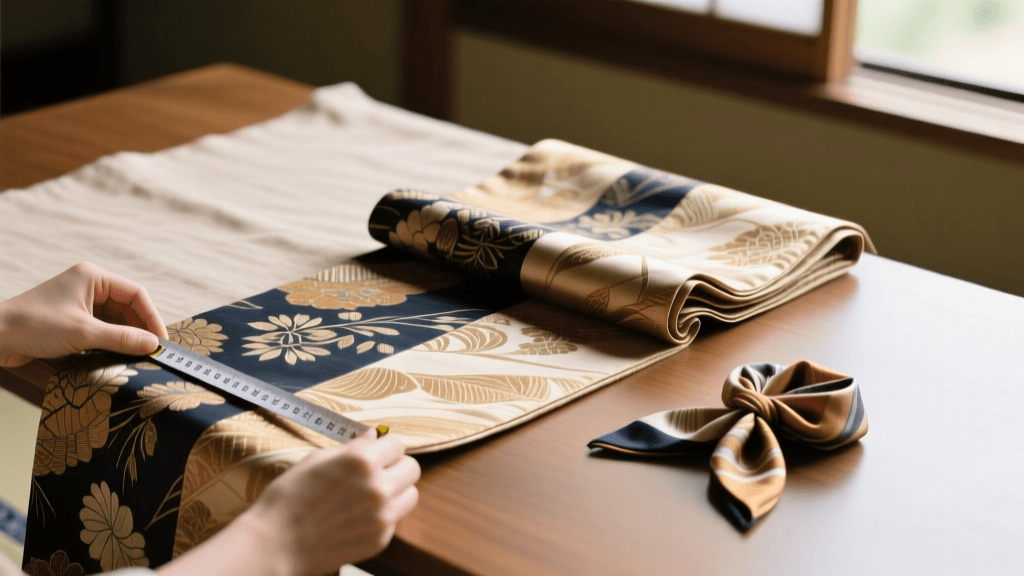
The most sustainable kimono is one that already exists. Japan has a thriving market for recycled and vintage kimonos, offering an incredible opportunity for upcycling. A standard kimono is constructed from a single bolt of fabric called a tanmono, which measures approximately 11.5 meters in length and 36 centimeters (14.2 inches) in width. Because the garment is sewn using straight, running stitches without cutting the fabric into curved western-style patterns, a kimono can be entirely disassembled, washed, and restructured.
Actionable Upcycling Guide
- Sourcing: Visit specialized vintage districts like Kyoto's Toji Temple flea market or Tokyo's Harajuku recycling stores. Expect to pay $30 to $80 for a high-quality, mid-20th-century silk kimono in good condition.
- Measurements for Restructuring: If you plan to tailor a vintage kimono into a modern wrap dress or a western-style jacket, ensure the bolt yields at least 3.5 meters of continuous, unblemished fabric. Account for a 10-15% shrinkage rate if the vintage silk needs to be professionally washed (arai-hari) before tailoring.
- Tailoring Costs: Hiring a traditional shitateya (kimono tailor) or a modern sustainable fashion atelier in Japan to deconstruct and re-sew the garment typically costs between ¥20,000 and ¥45,000 ($130 to $300 USD), depending on the complexity of the new design and the fragility of the antique silk.
Supporting Artisan Cooperatives and Fair Trade Practices
The sustainability of a kimono is not solely defined by its environmental impact; the ethical treatment of the artisans who weave, dye, and sew the garments is equally paramount. Historically, the Japanese textile industry relied on a complex subcontracting system that often left rural weavers and dyers with minimal profit margins. Today, conscious consumers are shifting their purchasing power toward transparent artisan cooperatives and fair-trade certified ateliers.
When purchasing a new, sustainably produced kimono, look for brands that provide direct traceability to the weaving villages, such as the Nishijin-ori weavers in Kyoto or the Ojiya-chijimi linen artisans in Niigata. Ethical brands will openly disclose the wages paid to their craftspeople and the specific origins of their raw materials. Investing in a directly sourced, fair-trade kimono obi (sash) or haori ensures that the cultural heritage is preserved through economic empowerment, allowing master artisans to pass their skills down to the next generation without resorting to exploitative mass-production shortcuts.
Care and Maintenance for Eco-Friendly Textiles
Owning a sustainably produced, naturally dyed kimono requires specific maintenance to preserve the botanical pigments and ethical fibers. Unlike synthetic garments that can withstand harsh detergents, natural dyes are pH-sensitive.
Washing and Storage Protocols
When spot-cleaning or hand-washing naturally dyed cotton or hemp kimonos (such as those made from organic Aizome), always use a pH-neutral, plant-based detergent. The water temperature must never exceed 20°C (68°F), as heat opens the fiber cuticles and releases the botanical pigments. Never wring the fabric; instead, roll it in a clean, dry cotton towel to press out excess moisture.
For storage, avoid wire hangers which can distort the delicate shoulder seams of Eri silk or peace silk garments. Use padded, wide-shouldered wooden hangers, and store the kimono in a breathable cotton garment bag. To protect natural dyes from UV degradation, keep the garment in a dark, climate-controlled closet with a relative humidity level between 45% and 55%. By following these meticulous care instructions, you ensure that your sustainably produced kimono remains a vibrant, wearable piece of art for decades, honoring both the environment and the artisans who crafted it.