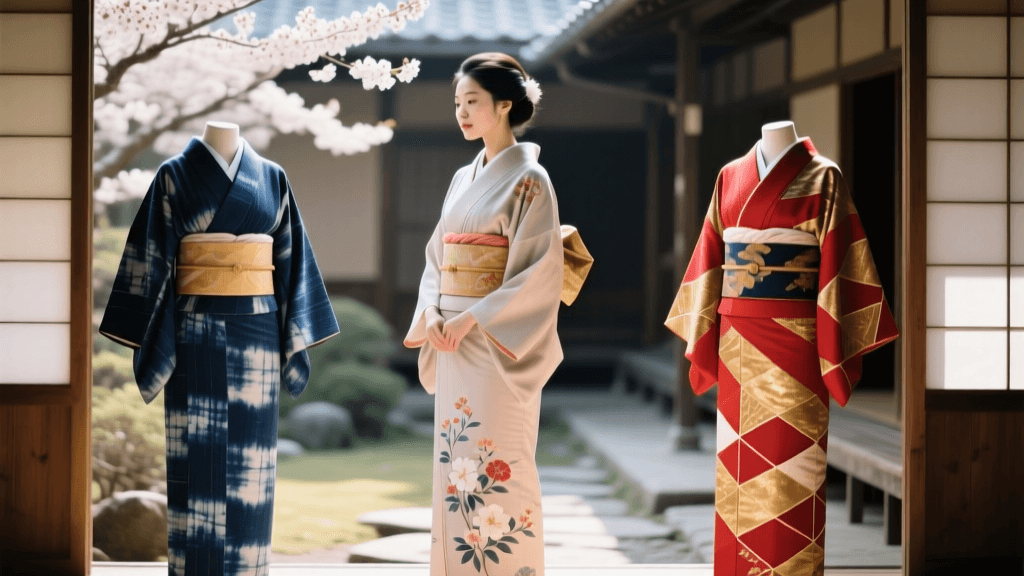
Dress Codes for Japanese Tea Ceremony and Ikebana
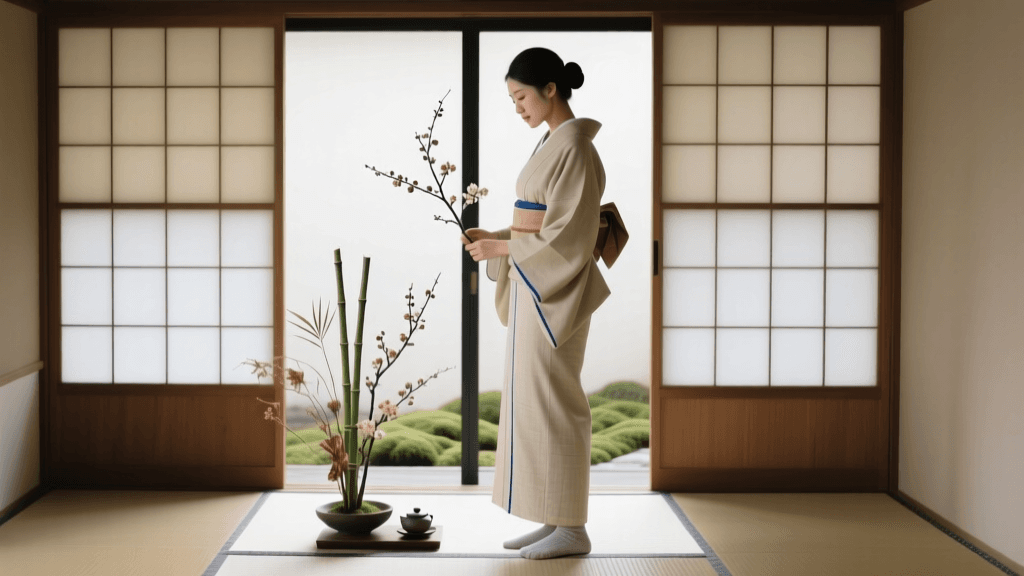
The Philosophy of Harmony in Japanese Cultural Arts
Participating in traditional Japanese arts such as the tea ceremony (Chanoyu or Sado) and the art of flower arranging (Ikebana) is a profound way to connect with the cultural heritage of Japan. However, these practices are not merely aesthetic pursuits; they are deeply rooted in Zen philosophy, mindfulness, and the concept of Wa (harmony). The garments you wear to these sessions are considered an extension of this harmony. Your attire must respect the space, the host, the tools, and the fellow participants.
Whether you are a tourist booking a cultural experience in Kyoto, an expatriate attending a local community class, or a dedicated student of the Urasenke or Ikenobo schools, understanding the strict dress codes is essential. According to the Urasenke Chanoyu Center, the tea ceremony is a comprehensive art form where every detail, from the scroll in the alcove to the socks on your feet, contributes to the unified experience of the gathering.
Essential Dress Code Rules for Tea Ceremony (Chanoyu)
The tea room (chashitsu) is a sacred space of tranquility. The physical act of entering the tea room often involves crawling through a small, humble entrance called the nijiriguchi. This architectural feature immediately dictates certain practical clothing requirements, but the spiritual and aesthetic rules go much further.
Footwear and the Mandatory White Tabi
The most strictly enforced rule in any traditional tea ceremony is footwear. You must remove all outdoor shoes before stepping onto the tatami mats. However, walking on tatami barefoot or in standard socks is considered highly disrespectful and unhygienic in this context.
- White Tabi Socks: You must wear pristine white tabi (split-toe socks). If you are wearing a kimono, these are standard. If you are attending in Western clothing, you must bring a fresh pair of white tabi or, at the very least, clean, plain white cotton socks.
- Zori Sandals: When walking outdoors to the tea pavilion, wear zori (traditional sandals). Never wear indoor slippers on the garden path (roji).
Jewelry, Watches, and Accessories
All jewelry, including wedding bands, bracelets, necklaces, and earrings, must be removed before the ceremony begins. The primary reason is practical and protective: the tea bowls (chawan) used in the ceremony are often priceless, fragile antiques. A metal ring or watch could easily scratch or chip the ceramic glaze when you hold the bowl. Furthermore, the ticking of a watch or the clinking of bracelets disrupts the meditative silence of the room. According to Japan Guide's Tea Ceremony Etiquette, removing accessories also symbolizes leaving the material world and worldly status outside the tea room.
Fragrance, Makeup, and Hair
Do not wear perfume, cologne, or heavily scented lotions. The tea ceremony involves the subtle appreciation of the incense burned in the hearth and the natural aroma of the matcha. Strong artificial scents overpower these delicate olfactory experiences. Makeup should be neutral and understated. Long hair must be tied back neatly so it does not fall forward when you bow or drink from the bowl.
Ikebana Attire: Practicality Meets Tradition
While Ikebana shares the Zen roots of the tea ceremony, it is a more active, physical art form. Practitioners work with water, sharp shears (hasami), and heavy metal frogs (kenzan). The Ikenobo Ikebana Society emphasizes that the arranger's body and movements should blend seamlessly with the plant materials, requiring garments that allow for fluid motion without causing accidents.
Sleeve Management and Fabric Choices
If you are wearing a kimono to an Ikebana lesson, the wide, flowing sleeves (sode) pose a significant hazard. They can easily dip into the water basins, knock over the delicate floral arrangements, or catch on the sharp pruning shears.
To manage kimono sleeves during active cultural arts, practitioners use a tasuki—a traditional cord or sash used to tie back the sleeves securely across the back, allowing for complete freedom of arm movement while keeping the silk dry and safe.
For Western clothing, avoid overly baggy sleeves or dangling scarves. Opt for fitted, comfortable clothing in muted, earthy tones that do not visually compete with the vibrant colors of the seasonal flowers you are arranging.
Seasonal Garment Adjustments
Japanese traditional arts are intimately tied to the changing of the seasons. If you choose to wear a kimono to a tea ceremony or Ikebana exhibition, your garment must reflect the current season. Wearing a heavy winter brocade in July or a sheer summer fabric in January is considered a major faux pas.
| Season | Kimono Type | Fabric & Lining | Color & Motif Guidelines |
|---|---|---|---|
| Spring (Mar-May) | Awase (Lined) or Hitoe (Unlined) | Silk crepe (chirimen), light lining | Pastels, cherry blossoms, wisteria, soft greens |
| Summer (Jun-Aug) | Yukata or Usumono (Sheer) | Cotton, linen, sheer silk (ro/sha) | Cool tones, water motifs, fireworks, morning glory |
| Autumn (Sep-Nov) | Awase (Lined) | Silk crepe, standard lining | Deep reds, oranges, maple leaves, chrysanthemums |
| Winter (Dec-Feb) | Awase (Padded) | Heavy silk, silk floss padding | Dark hues, pine, bamboo, plum blossoms, snow motifs |
Modern Alternatives for International Visitors
Not everyone owns a kimono, and that is perfectly acceptable for most introductory classes and tourist experiences. However, if you attend in Western clothing, you must adhere to a modest, respectful dress code.
Rules for Western Attire
- Skirts and Trousers: If wearing a skirt, it must fall below the knee. You will be sitting in seiza (kneeling position) on the tatami floor, and short skirts will ride up inappropriately. Loose, wide-leg trousers are an excellent, comfortable alternative that mimics the silhouette of a kimono.
- Tops: Avoid low-cut necklines or sleeveless shirts. A modest blouse or a high-quality, dark-colored turtleneck is ideal for winter.
- Colors: Stick to subdued, solid colors like navy, charcoal, forest green, or burgundy. Avoid loud logos, neon colors, or busy patterns that distract from the minimalist aesthetics of the tea room.
Costs, Timing, and Rental Experiences
For tourists wishing to fully immerse themselves in the tradition, renting a kimono in cities like Kyoto or Kanazawa is a popular option. Here is a practical breakdown of what to expect regarding costs and timing when combining a kimono rental with a cultural session.
Kyoto Kimono Rental & Tea Ceremony Breakdown
- Rental Costs: A standard kimono rental package (including dressing service, obi, zori sandals, and a small bag) typically costs between ¥4,000 and ¥8,000 ($25 to $55 USD). Premium silk options or authentic vintage pieces can cost upwards of ¥12,000.
- Dressing Time: Allocate at least 45 minutes for the dressing process at the rental shop. Professional dressers will ensure your collar is crossed correctly (left over right) and your obi is tied securely.
- Arrival Timing: You must arrive at the tea house or Ikebana studio at least 15 minutes before your scheduled session. This allows time to use the restroom (navigating a kimono in a modern restroom takes time and care), change into your white tabi socks, and mentally prepare.
- Session Duration: A standard tourist tea ceremony lasts 45 to 60 minutes. A formal chaji (full tea gathering) can last up to four hours, requiring immense physical stamina to remain in the kneeling position.
Conclusion: Dressing with Intention
The dress codes for the Japanese tea ceremony and Ikebana are not arbitrary rules designed to exclude outsiders; rather, they are guidelines meant to foster a shared environment of respect, safety, and aesthetic harmony. By carefully selecting your garments, managing your accessories, and honoring the seasonal rhythms of traditional attire, you elevate your experience from a simple tourist activity to a genuine participation in centuries-old living arts. Whether you are tying back your sleeves to arrange a single pine branch or sliding into the quiet sanctuary of a tea room in pristine white tabi, your clothing becomes the first brushstroke in a masterpiece of cultural appreciation.