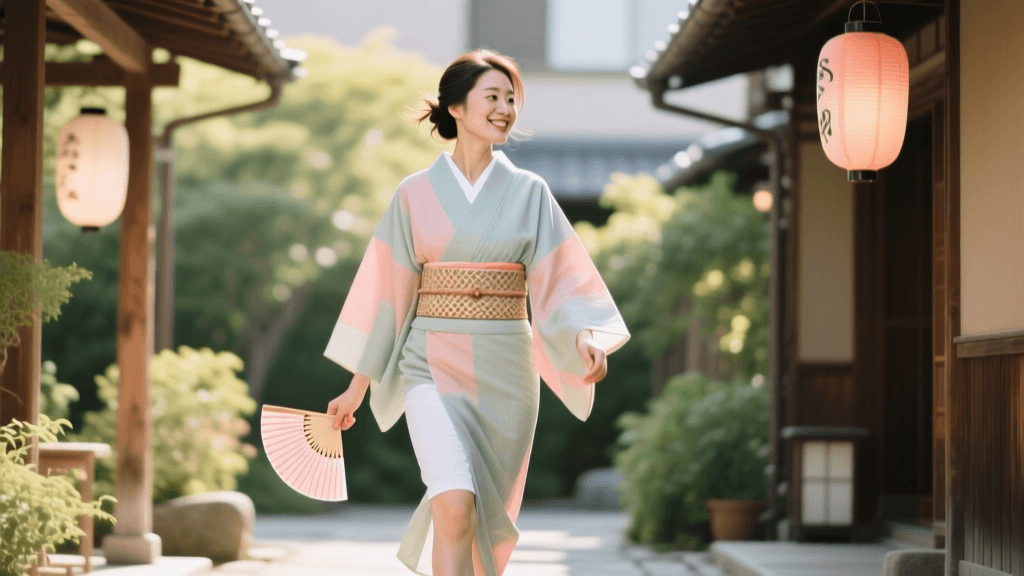
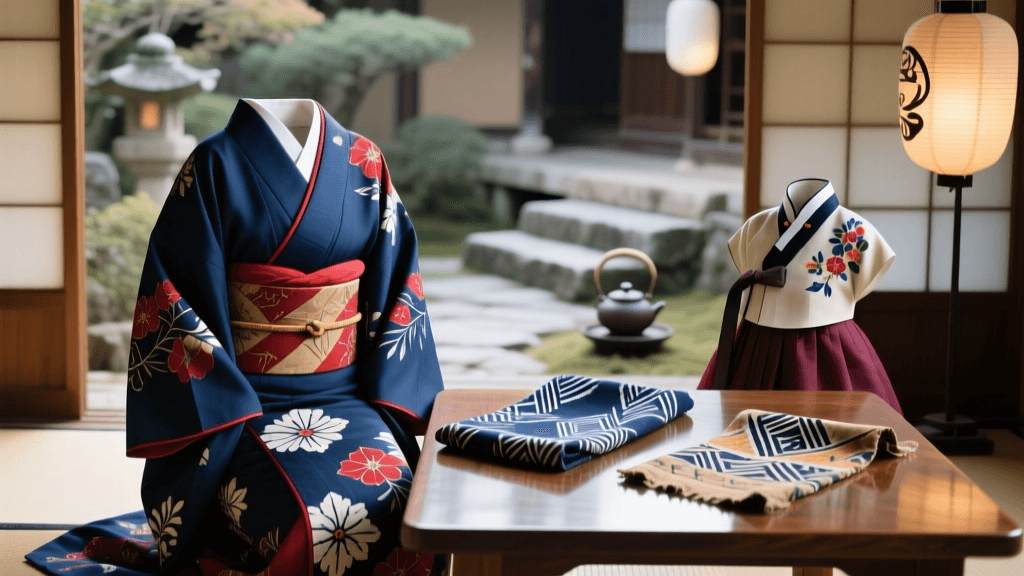
Kimono Wardrobe Organization: Storage and Koromogae
The Art of Kimono Wardrobe Organization and Seasonal Rotation
For collectors and enthusiasts of traditional Japanese clothing, a kimono is far more than a simple garment; it is a wearable piece of art, an investment, and a cultural heirloom. However, the delicate nature of silk, intricate dyeing techniques like yuzen and shibori, and the inclusion of metallic threads require meticulous care. Mastering kimono wardrobe organization is not just about tidiness—it is about preservation. At the heart of this practice is Koromogae (衣替え), the traditional Japanese seasonal wardrobe transition, which dictates when and how garments should be cleaned, aired, and stored to ensure they survive for generations.
According to the Metropolitan Museum of Art's Heilbrunn Timeline, the kimono's T-shaped structure and intricate silk layers were historically designed to reflect the changing seasons through both motif and fabric weight. Today, preserving these seasonal garments requires a deep understanding of textile conservation, humidity control, and traditional storage methodologies.
The Tradition of Koromogae: Timing Your Seasonal Rotation
Koromogae translates literally to "changing clothes." Originating in the Heian period (794–1185) among the imperial court, it was initially a ceremonial shift in attire to mark the changing of the seasons. In modern Japan, this tradition has been standardized into two primary dates for wardrobe rotation:
- June 1st (Natsugoromogae): The transition to summer clothing. Heavy winter silks, lined kimono (awase), and thick obi are cleaned, aired out, and placed into long-term storage, while unlined summer kimono (hitoe) and sheer gauze (ro and sha) are brought out.
- October 1st (Fuyugoromogae): The transition back to winter clothing. Summer garments are washed or dry-cleaned, carefully inspected, and stored away, while the heavier winter wardrobe is retrieved.
The Crucial Step of Mushi-boshi (Airing Out)
Before any silk kimono is placed into long-term storage, it must undergo mushi-boshi (airing out). This involves hanging the garments in a shaded, well-ventilated area for a few hours to allow trapped moisture and odors to dissipate. Direct sunlight must be strictly avoided, as UV rays will rapidly degrade silk proteins and fade natural dyes. The Victoria and Albert Museum highlights that historical silk garments are highly susceptible to light and moisture damage, making shaded airing a non-negotiable step in the preservation process.
Essential Supplies for Kimono Storage
Proper kimono wardrobe organization relies on specialized tools designed to regulate microclimates and prevent physical stress on the fabric. Budgeting for these supplies is an essential part of garment ownership.
1. Kiri-bako (Paulownia Wood Boxes)
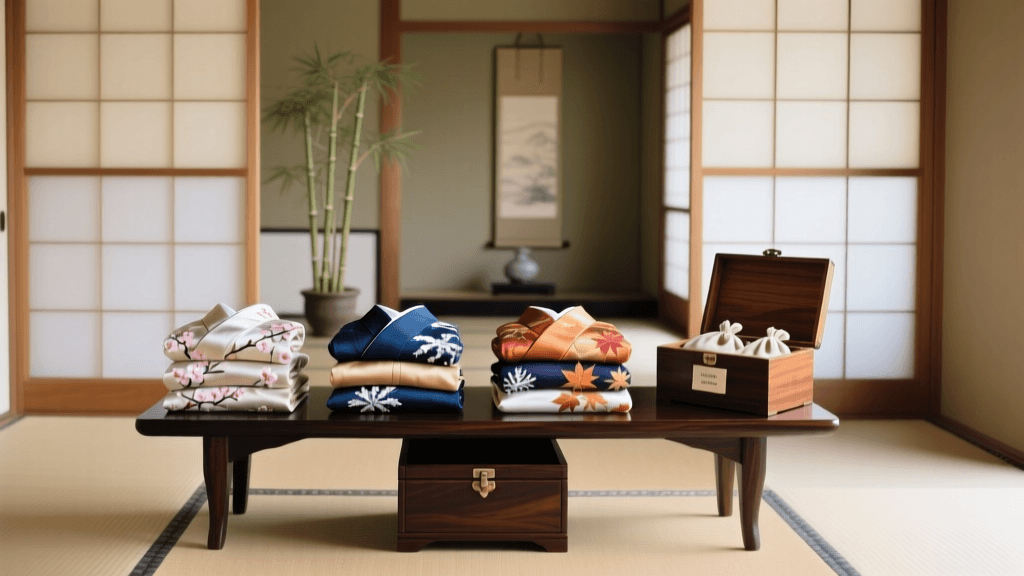
The gold standard for kimono storage is the kiri-bako, a box crafted from paulownia wood. Paulownia is uniquely suited for textile preservation because its cellular structure allows it to absorb and release moisture, acting as a natural humidistat. Furthermore, paulownia wood contains natural tannins that repel insects, and it is highly fire-resistant. A standard kimono storage box measures approximately 85cm x 35cm x 12cm (33.5" x 13.8" x 4.7"), while wider obi boxes measure 85cm x 45cm. Expect to invest between $120 and $350 USD per high-quality, unfinished kiri-bako.
2. Tatou-shi (Kimono Wrapping Paper)
Never store silk directly against wood or plastic. Tatou-shi is a specialized, unbleached, acid-free paper made from mulberry fibers. It allows the silk to breathe while protecting it from dust, light, and the natural oils present in wood. A pack of 10-20 sheets typically costs around $15 to $25 USD.
3. Shou-nou (Mothballs and Pest Deterrents)
While paulownia deters some pests, additional protection is often needed. Traditional shou-nou (camphor) is preferred over modern synthetic mothballs containing naphthalene or paradichlorobenzene. Critical Warning: Chemical vapors from synthetic mothballs can react with the metallic threads (kinran) and gold leaf (kinpaku) often found in formal kimono and maru obi, causing irreversible blackening and tarnishing. Always use natural camphor or specialized archival pest deterrents for garments with metallic elements.
Comparing Storage Materials: What Works Best for Silk?
While traditionalists swear by wood, modern collectors sometimes explore alternatives. Below is a comparison of common storage materials used in kimono wardrobe organization.
| Storage Material | Breathability | Humidity Regulation | Pest Resistance | Estimated Cost (USD) |
|---|---|---|---|---|
| Paulownia Wood (Kiri-bako) | Excellent | Superior (Natural Buffer) | High (Natural Tannins) | $120 - $350 |
| Acid-Free Archival Cardboard | Good | Moderate | Low (Requires Additives) | $40 - $80 |
| Cedar Wood | Good | Moderate | High (Natural Oils) | $90 - $200 |
| Polypropylene Plastic Bins | Poor (Traps Moisture) | Poor (Requires Silica) | Moderate (Airtight Seal) | $15 - $30 |
Note: If using plastic bins for budget or space reasons, you must include silica gel desiccant packets and open the bins every few months to prevent trapped moisture from causing mold.
Step-by-Step Guide to Wrapping and Storing Silk Kimono
Proper folding and wrapping prevent permanent creases and distribute the weight of the fabric evenly. Follow these steps for optimal storage:
- The Hon-tatami Fold: Fold the kimono using the standard hon-tatami method, which aligns the seams and ensures the collar and sleeves are not crushed. Use a specialized kimono folding board (tatami-ita) if you are a beginner to ensure crisp, accurate lines.
- Padding the Folds: For heavily embroidered or crested areas, place small rolls of acid-free tissue paper inside the folds to prevent the embroidery from pressing into the silk and causing friction damage.
- Wrapping in Tatou-shi: Lay the folded kimono in the center of the tatou-shi. Fold the paper over the garment using an envelope-style fold. Never use tape or adhesives on the paper; the weight of the garment and the box lid will keep it secure.
- Box Layering: Place the heaviest garments (like lined winter kimono) at the bottom of the kiri-bako, and the lightest, most delicate garments (like summer ro or fine silk crepe) at the top. Limit the stack to 3 or 4 kimono per box to avoid compression creases.
- Adding Desiccants and Deterrents: Place a small packet of silica gel and a natural camphor block in the corners of the box. Ensure they do not directly touch the wrapped silk.
Climate Control and Long-Term Preservation
The environment in which you store your kiri-bako is just as important as the box itself. Following the National Park Service Museum Handbook guidelines for textile conservation, maintaining a stable relative humidity (RH) between 45% and 55% is critical for protein-based fibers like silk. Fluctuations in humidity cause the fibers to expand and contract, leading to structural fatigue and the shattering of antique silks.
Troubleshooting Common Storage Issues
- Yellowing (Kiba): Often caused by residual body oils, sweat, or the use of acidic, non-archival paper. Always ensure kimono are professionally cleaned (arai-hari or specialized dry cleaning) before long-term storage, and strictly use acid-free tatou-shi.
- Mold (Kabi): White or green powdery spots indicate mold, which thrives when RH exceeds 65%. If discovered, isolate the garment immediately, brush the mold off outdoors with a soft, dry brush, and consult a professional textile conservator. Do not apply water or liquid cleaners.
- Deep Creases (Shiwa): Caused by folding in the exact same place for years. During your bi-annual koromogae rotation, slightly offset the folds or refold the garment along different seam lines to prevent permanent fiber breakage.
Conclusion: The Mindfulness of Kimono Care
Organizing and rotating a kimono wardrobe is a labor of love that connects modern collectors to centuries of Japanese tradition. The practice of koromogae forces us to slow down, interact with our garments, and appreciate the craftsmanship of the artisans who created them. By investing in proper paulownia storage, utilizing acid-free materials, and strictly monitoring your storage environment, you ensure that these magnificent textiles remain vibrant, intact, and ready to be worn for generations to come. Whether you are preserving a vintage Meiji-era uchikake or a modern silk komon, meticulous wardrobe organization is the ultimate expression of respect for the kimono.