Decoding Kimono Fabrics: Silk Weaves, Dyeing and Care
The Soul of the Kimono: Understanding Japanese Textiles
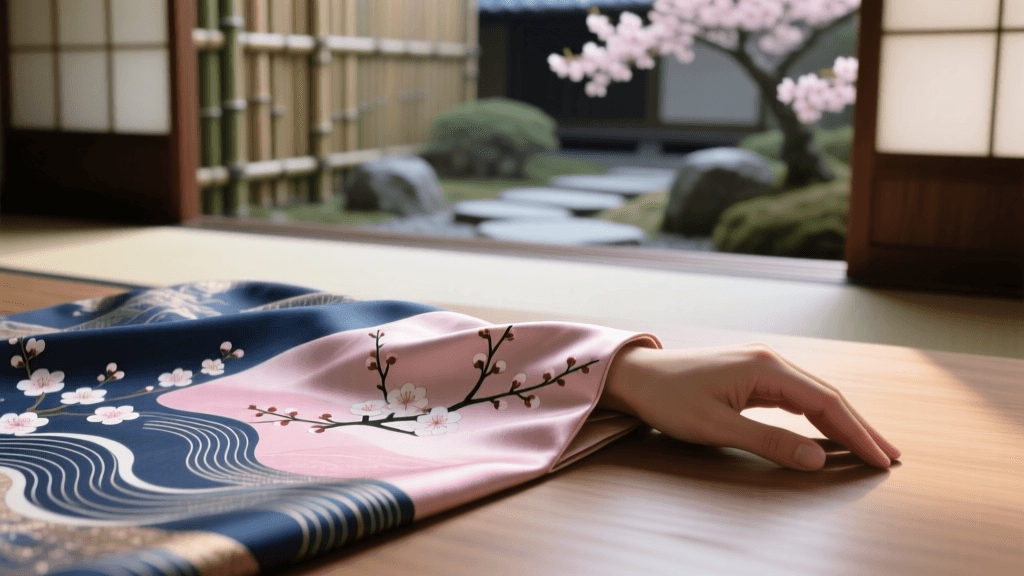
The kimono is far more than a traditional garment; it is a wearable canvas of Japanese history, seasonal awareness, and meticulous craftsmanship. While the T-shaped silhouette of the kimono has remained largely unchanged since the Edo period (1603–1867), the textiles used to create it represent some of the most complex weaving and dyeing techniques in the world. For collectors, enthusiasts, and cultural historians, understanding the distinction between woven (ori) and dyed (some) fabrics is the first step in appreciating this sartorial art form.
According to the Victoria and Albert Museum, the evolution of kimono textiles reflects Japan's shifting social structures, trade relationships, and aesthetic philosophies. Today, navigating the market for authentic kimono requires a keen eye for fabric types, construction methods, and proper maintenance. This guide decodes the craftsmanship behind kimono fabrics, offering actionable advice for identification, purchasing, and preservation.
The Foundation: Tanmono and Geometric Construction
Unlike Western tailoring, which cuts fabric into curved shapes to fit the body, the kimono is constructed from straight lines. This is made possible by the tanmono, a standard bolt of fabric. A traditional silk tanmono measures approximately 36 to 40 centimeters (14 to 15 inches) in width and 12 meters (13 yards) in length. This specific dimension dictates the entire geometry of the kimono, ensuring that almost zero fabric is wasted during the cutting process. When purchasing vintage or bespoke kimono, understanding that the garment is essentially a folded, sewn rectangle of a tanmono helps explain its unique drape and the placement of its motifs.
The Art of Weaving: Ori-Mono
Woven textiles, known as ori-mono, are created by interlacing warp and weft threads on a loom. The patterns and textures are integral to the fabric itself, rather than applied to the surface. The Traditional Craft Products Promotion Association recognizes dozens of regional weaving styles, but a few dominate the world of high-end kimono craftsmanship.
Nishijin-ori (Kyoto Brocade)
Nishijin-ori is the pinnacle of Japanese woven textiles, originating from the Nishijin district of Kyoto. Characterized by its heavy, luxurious feel and the extensive use of metallic threads (gold and silver leaf wrapped around silk cores), Nishijin-ori is primarily used for formal obi (sashes) and high-ranking formal kimono like the uchikake (wedding over-robe). The craftsmanship is so intensive that a single formal Nishijin obi can take months to weave and cost anywhere from $1,000 to over $15,000 USD.
Oshima Tsumugi (Amami Oshima Pongee)
In stark contrast to the flashy brocades of Kyoto is Oshima Tsumugi, produced in Amami Oshima. This fabric is woven from hand-spun silk threads that are dyed using a laborious mud-dyeing technique involving the iron-rich mud of the island and the tannin of the techigi tree. The result is a lightweight, incredibly durable fabric with a subdued, earthy color palette and intricate, subtle geometric patterns. It is highly prized for everyday wear and sophisticated casual occasions.
Chirimen and Rinzu: The Canvas Weaves
Not all woven fabrics feature prominent patterns. Chirimen (silk crepe) is created by tightly twisting the weft threads, resulting in a pebbled texture that resists wrinkling and takes dye beautifully. It is the most common base fabric for dyed kimono. Rinzu (silk damask) features subtle, glossy woven patterns that catch the light, often used for undergarments (juban) or as a luxurious base for formal dyed garments.
The Mastery of Dyeing: Some-Mono
Dyed textiles, or some-mono, involve applying color and patterns to an already woven fabric (usually chirimen or rinzu). Dyeing allows for the pictorial, painterly motifs that are synonymous with the kimono's seasonal aesthetic.
Yuzen Dyeing: Kyo-Yuzen and Kaga-Yuzen
Yuzen is a resist-dyeing technique that uses a rice-paste barrier to prevent colors from bleeding into one another, allowing for highly detailed, multi-colored designs. Kyo-Yuzen (from Kyoto) is known for its vibrant colors, stylized motifs, and generous use of gold leaf embroidery. Kaga-Yuzen (from Kanazawa) favors a more naturalistic, painterly style using a specific five-color palette (kaga-gosai) and often features motifs like falling leaves or insect bites, reflecting the rustic beauty of the region. The Kyoto Museum of Traditional Crafts offers extensive exhibitions on the meticulous, multi-step Yuzen process, which can involve over twenty distinct artisan specializations for a single garment.
Shibori: The Art of Tie-Dye
Shibori encompasses various manual resist-dyeing techniques, most notably kanoko shibori (fawn-spot tie-dye). Artisans tie thousands of microscopic knots in the silk before dyeing it. When the knots are untied, they reveal intricate, textured patterns. A high-quality kanoko shibori kimono, often called so-shibori (all-over tie-dye), is incredibly lightweight, stretches to fit the body beautifully, and represents hundreds of hours of handiwork.
Comparative Guide to Kimono Fabrics
| Fabric Type | Technique | Formality Level | Estimated Cost (USD) | Best Season/Use |
|---|---|---|---|---|
| Nishijin-ori | Woven Brocade | High Formal | $1,000 - $15,000+ | Winter / Weddings |
| Oshima Tsumugi | Mud-Dyed Weave | Casual / Smart | $800 - $4,000 | Spring / Autumn |
| Kyo-Yuzen | Resist Dyeing | Formal / Semi-Formal | $1,500 - $8,000 | All Seasons (Lined) |
| Kanoko Shibori | Tie-Dye | Semi-Formal | $2,000 - $10,000 | Summer / Spring |
| Ro / Sha | Leno Weave | Casual / Summer | $300 - $1,500 | Mid-Summer Only |
Practical Guide: Identification, Purchasing, and Care
Whether you are buying a vintage piece from a market in Tokyo or commissioning a bespoke garment, practical knowledge of fabric care and identification is essential.
Identifying Authentic Silk
Synthetic fabrics like polyester are common in modern, mass-produced kimono. To identify authentic silk, rely on your senses:
- Touch: Silk warms to the touch quickly, whereas polyester remains cool and slightly clammy.
- Sound: High-quality silk crepe (chirimen) produces a distinct, crisp rustling sound known as kinu-nari (the voice of silk) when rubbed together.
- The Burn Test: If you have a loose thread, burn it. Silk smells like burning hair and leaves a crushable black ash. Polyester smells like sweet plastic and forms a hard, uncrushable bead.
Navigating Costs and Sizing
Vintage silk kimono in good condition can be found for $50 to $300 USD, making them accessible entry points for collectors. However, sizing is critical. Kimono are measured by kitake (total length) and yuki (center-back to wrist measurement). Because kimono are worn with folds at the waist (ohashori), the kitake should ideally be equal to your height. If a vintage piece is too short, it cannot be easily altered due to the lack of seam allowances.
Cleaning and Maintenance
Never wash a silk kimono at home. Water will cause the silk to shrink and the dyes to bleed. In Japan, the standard cleaning method is maru-arai, a specialized dry-cleaning process for kimono that costs approximately 10,000 to 15,000 JPY ($70 to $100 USD). For severe stains or vintage restoration, artisans perform arai-hari—a process where the garment is completely unstitched, washed as a flat tanmono bolt, stretched, and resewn. This traditional service costs between $300 and $500 USD and takes several weeks.
Proper Storage Techniques
Silk is a protein fiber that requires breathing room. Never store a silk kimono in plastic bags, as trapped moisture will lead to mold and permanent yellowing. Instead, wrap the folded garment in tatou-shi (traditional acid-free Japanese washi paper). Store the wrapped kimono in a tansu (cedar chest) or a breathable cotton storage box in a cool, dark, and dry environment. Include natural desiccants and avoid mothballs, which can chemically react with silk dyes and metallic threads, causing irreversible discoloration.
'The beauty of the kimono lies not just in its visual design, but in the tactile experience of the silk and the invisible hours of labor woven into every thread.' — Japanese Textile Proverb
By understanding the profound differences between woven and dyed textiles, and by committing to the proper care of these delicate fibers, you ensure that the legacy of kimono craftsmanship continues to be preserved and appreciated for generations to come.