Kids' Hanfu & Tang Suits: The Ultimate Parent's Buying Guide
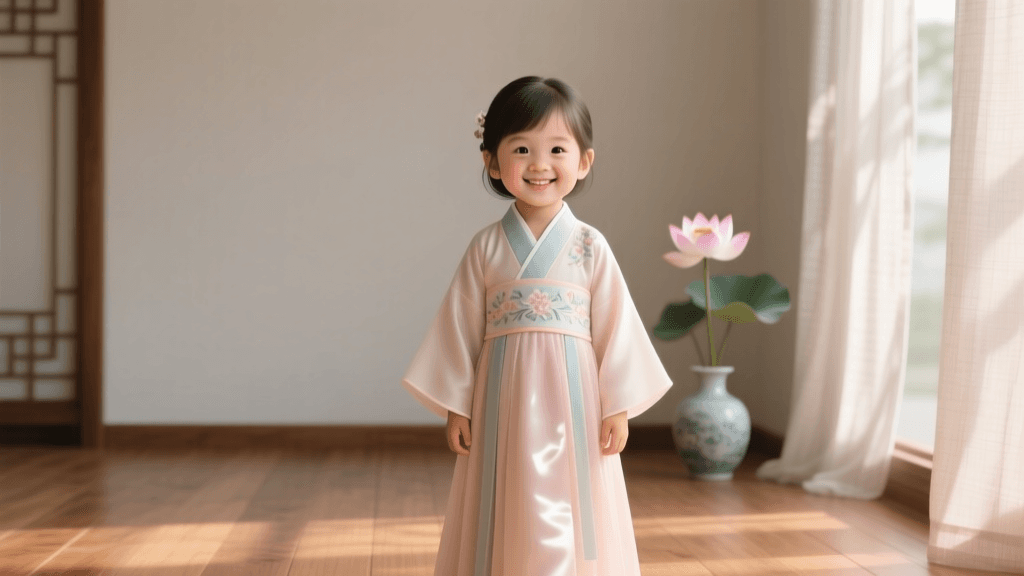
The Renaissance of Children's Traditional Chinese Clothing
Over the past decade, the revival of traditional Chinese clothing has transcended adult fashion, deeply permeating the children's apparel market. From the bustling streets of Chengdu to Lunar New Year celebrations globally, children adorned in Hanfu and Tang suits have become a vibrant symbol of cultural continuity. For parents navigating this beautiful but complex market, understanding the nuances of historical styles, modern adaptations, and practical sizing is essential. This comprehensive guide will help you select, style, and care for traditional Chinese garments for your little ones.
According to market analyses covered by Sixth Tone, the Hanfu industry has seen exponential growth, with a significant portion of revenue now driven by children's lines and family-matching sets. Parents are no longer reserving these garments solely for studio photography; they are integrating them into daily life, school festivals, and international cultural events.
Choosing the Right Garment: Hanfu vs. Tang Suits vs. Xin Zhongshi
When shopping for kids, it is crucial to distinguish between the three main categories of traditional and neo-traditional clothing. Each serves a different purpose regarding mobility, formality, and weather.
1. Hanfu (Historical Robes)
Hanfu encompasses the historical dress of the Han ethnic group, spanning several dynasties. For children, the most popular and practical styles include:
- Mamianqun (Horse-Face Skirt): Originating in the Ming Dynasty, this pleated skirt is incredibly popular for girls. Its wrap-around design with adjustable ties makes it highly forgiving for growing waists, and the flat front panel allows for ease of movement.
- Ruqun (Top and Skirt): A classic combination of a short jacket (Ru) and a high-waisted skirt. For active toddlers, a Jiaoling Youren (cross-collared, right-over-left) top paired with soft cotton trousers is safer and more practical than trailing skirts.
- Feiyufu (Flying Fish Robe): A favorite for boys, this Ming Dynasty-style robe features striking embroidery and a structured silhouette, perfect for festive occasions and martial arts-inspired photography.
2. Tangzhuang (Tang Suits)
Despite the name, the modern Tang suit is actually derived from the Manchu clothing of the Qing Dynasty, heavily adapted in the 20th century. Characterized by mandarin collars and pankou (knotted frog buttons), Tang suits are the go-to choice for toddlers and babies during the Lunar New Year. They are structured, warm, and easy to put on over modern winter layers.
3. Xin Zhongshi (New Chinese Style)
For daily wear and school, Xin Zhongshi blends traditional elements with modern tailoring. Think cotton A-line dresses with subtle embroidery, denim jackets with mandarin collars, or linen tunics. This style prioritizes comfort and machine-washability while maintaining a distinct cultural aesthetic.
The Height-Based Sizing System Demystified
One of the most common hurdles for international buyers is the Chinese children's sizing system. Unlike Western sizing, which relies on age (e.g., 2T, 4T), traditional Chinese garments are sized strictly by height in centimeters. When purchasing from platforms like Taobao or specialized Hanfu boutiques, always measure your child's height and add 5-10 cm for a comfortable fit, especially for winter layering.
| Child's Height (cm) | Approximate Age | CN Size Label | Recommended Skirt/Robe Length | Best Style for Mobility |
|---|---|---|---|---|
| 80 - 90 cm | 1 - 2 Years | 90 | 40 - 45 cm | Tangzhuang (Pants Set) |
| 90 - 100 cm | 2 - 3 Years | 100 | 45 - 50 cm | Cross-collar Top & Trousers |
| 100 - 110 cm | 4 - 5 Years | 110 | 55 - 60 cm | Short Ruqun or Xin Zhongshi |
| 110 - 120 cm | 6 - 7 Years | 120 | 65 - 70 cm | Mamianqun (Ankle-length) |
| 120 - 130 cm | 8 - 9 Years | 130 | 75 - 80 cm | Beizi (Long Jacket) & Skirt |
| 130 - 140 cm | 10 - 11 Years | 140 | 85 - 90 cm | Full Hanfu or Tang Suit |
Fabric Selection: Navigating Sensitive Skin
Children's skin is highly sensitive, making fabric choice paramount. While historical accuracy often demands pure silk, modern parenting requires practicality. The sericulture and silk craftsmanship of China is a globally recognized heritage, as noted by UNESCO's Intangible Cultural Heritage registry. However, pure silk is difficult to maintain and can be slippery for active kids.
- Inner Layers (Zhongyi): Always opt for 100% organic cotton or bamboo viscose. These fabrics wick moisture and prevent the chafing that can occur with embroidered outer collars.
- Summer Outerwear: Look for linen-cotton blends (often labeled as mianma or linen-mix). They provide the crisp, structured look of traditional Hanfu while remaining breathable.
- Winter & Festive Wear: Brocade and velvet are excellent for Tang suits. Ensure the inner lining is quilted cotton rather than polyester fleece to prevent static electricity and skin irritation.
- Fabrics to Avoid: Cheap, unlined polyester (often found in low-tier costume shops) traps heat and can cause eczema flare-ups. Always check the fabric composition tags before purchasing.
Occasion-Based Styling and Budgeting
Investing in traditional clothing requires a clear understanding of your budget and the garment's intended use. Here is a practical breakdown of what to expect when shopping for children's heritage wear:
Budget Tier 1: Daily Play & School ($15 - $35 USD / 100 - 250 RMB)
Focus on Xin Zhongshi and cotton Hanfu separates. These pieces are machine-washable and durable. A cotton cross-collar top paired with modern denim or linen trousers creates a culturally rich yet playground-friendly outfit.
Budget Tier 2: Festivals & Family Gatherings ($40 - $80 USD / 300 - 600 RMB)
This tier includes high-quality cotton-linen Mamianqun sets and embroidered Tang suits. The embroidery is usually machine-done but dense and beautiful. These are ideal for Mid-Autumn Festival, Lunar New Year, and cultural performances.
Budget Tier 3: Heirloom & Ceremonial ($100 - $250+ USD / 800 - 1800+ RMB)
Reserved for major milestones like a child's 10th birthday or formal cultural ceremonies. These garments feature hand-embroidery, pure mulberry silk, and bespoke tailoring. As highlighted in cultural reports by China Daily's Heritage section, the meticulous craftsmanship involved in these pieces elevates them from mere clothing to wearable art meant to be passed down.
Garment Care for Busy Parents
Traditional garments, particularly those with metallic threads or delicate pleats, require specific care to maintain their structural integrity.
- Washing the Mamianqun: Never wring out a horse-face skirt, as this destroys the sharp pleats. Hand wash in cold water with a mild, pH-neutral detergent. To dry, hang the skirt on a specialized multi-clip hanger, ensuring the weight of the water pulls the pleats straight down.
- Protecting Embroidery: Always turn Tang suits and embroidered Hanfu inside out before placing them in a mesh laundry bag for machine washing (gentle cycle only).
- Storing Silk: Silk garments should never be stored in plastic bags, which trap moisture and cause yellowing. Use breathable cotton garment bags and store them in a cool, dark place with cedar blocks to deter moths naturally.
'Dressing a child in traditional silk and embroidery is not merely about aesthetics; it is a tactile transmission of ancestral blessings, wrapping the next generation in the warmth of their heritage.'
Final Thoughts on Cultural Continuity
Introducing children to traditional Chinese clothing is a beautiful way to foster a sense of identity and appreciation for historical artistry. By prioritizing skin-friendly fabrics, understanding the height-based sizing system, and choosing the right style for the occasion, parents can ensure their children feel as comfortable as they look culturally resplendent. Whether it is a toddler stumbling through their first Lunar New Year in a padded Tang suit or a teenager elegantly adjusting the pleats of a Ming-style Mamianqun, these garments serve as a living bridge between the past and the future.