Kimono in Pop Culture: Styling Japanese Heritage Globally
The Intersection of Japanese Heritage and Global Pop Culture
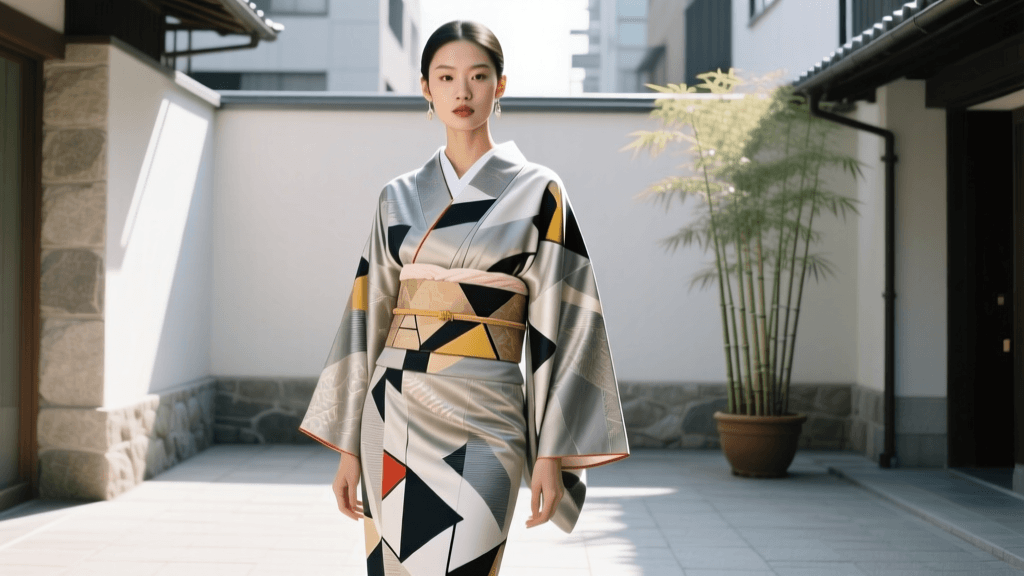
The T-shaped silhouette of the traditional Japanese kimono has transcended its geographic origins to become a profound influence on global pop culture, high fashion, and modern streetwear. No longer confined to ceremonial occasions or historical dramas, Japanese garments are actively reimagined by global style icons, musicians, and cinematic visionaries. From the intricate, hand-dyed yuzen silks featured in international cinema to the bold, embroidered sukajan (souvenir jackets) worn by hip-hop royalty, Japanese textile arts offer a masterclass in storytelling through fashion.
As the Victoria and Albert Museum notes in its extensive Asian textile archives, the global journey of the kimono is one of continuous adaptation and cross-cultural exchange. Today, modern consumers and fashion enthusiasts are looking beyond superficial appropriation, seeking instead to understand the craftsmanship, regional dyeing techniques, and proper styling of these garments to integrate them respectfully and stylishly into contemporary wardrobes.
From Screen to Street: The Evolution of the Silhouette
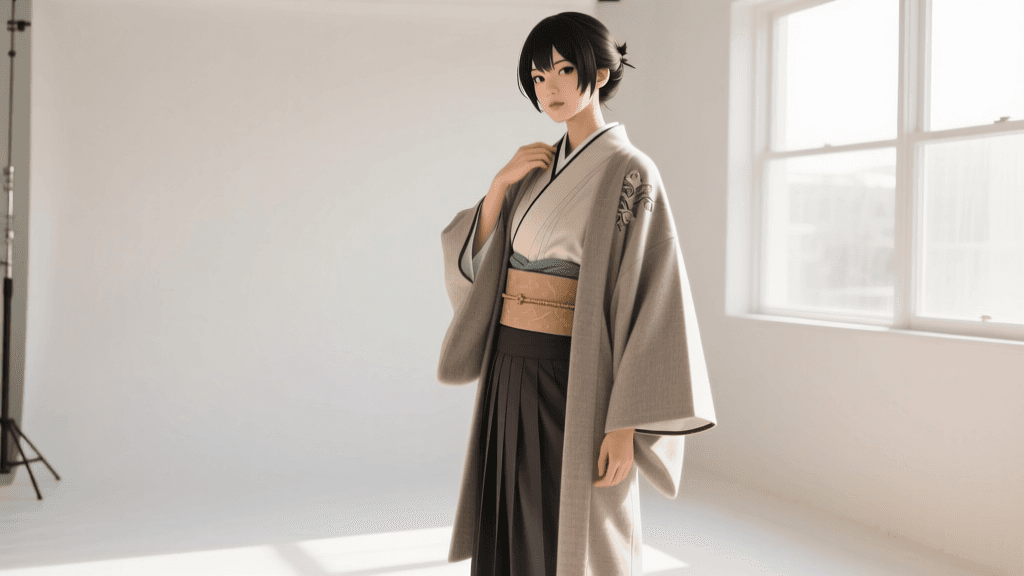
In global media, Japanese garments are frequently used to denote power, mystique, or avant-garde sensibility. In cinema, the stylized Yakuza boss O-Ren Ishii in Quentin Tarantino's Kill Bill famously blended a modern, tailored white suit with a stark, snow-white haori (traditional jacket), creating an iconic visual that merged Western tailoring with Japanese heritage. Similarly, the global explosion of anime has introduced millions to the functional beauty of garments like the happi coat and the checkered haori seen in Demon Slayer, sparking a massive demand for authentic, woven textiles among younger demographics.
The Haori and Sukajan in Modern Streetwear
On the streets of Harajuku, New York, and London, the haori and the sukajan have become staple layering pieces. The sukajan, originally created in post-WWII Yokosuka as a souvenir for American soldiers, features striking silk-satin embroidery of dragons, tigers, and eagles. Today, it is a highly sought-after vintage collector's item and a frequent feature in global music videos. Meanwhile, the silk haori is prized by streetwear enthusiasts for its lightweight, flowing drape, often layered over heavy cotton hoodies or tailored turtlenecks to create a striking juxtaposition of textures.
Actionable Guide: Sourcing and Sizing Traditional Garments
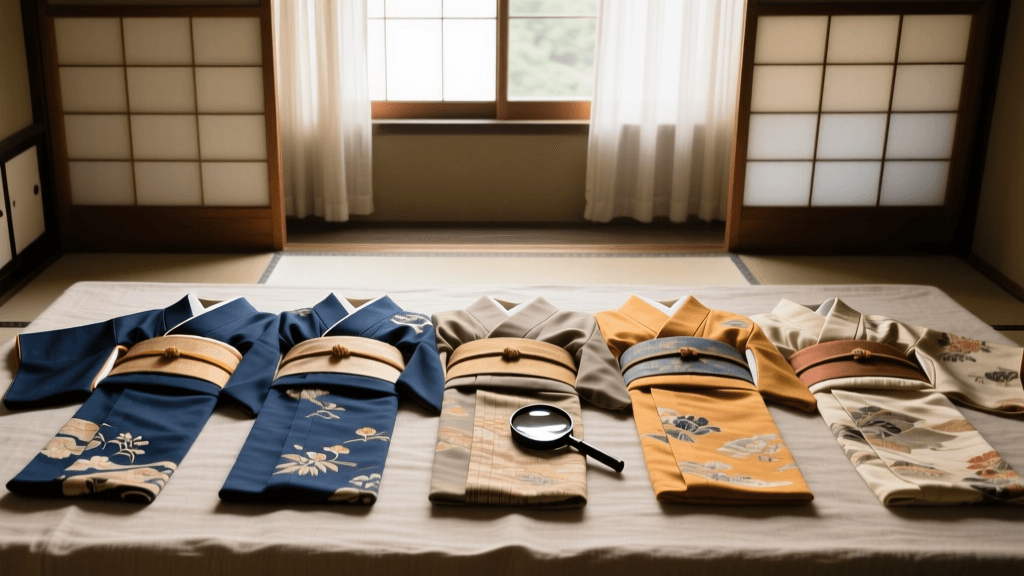
Integrating authentic Japanese garments into a modern wardrobe requires an understanding of traditional sizing. Unlike Western clothing, kimono and haori are constructed from straight bolts of fabric (called tan) and are meant to be adjusted via folding and tying rather than tailored to the body. The Kyoto Museum of Traditional Crafts highlights that regional variations in weaving, such as the slubbed texture of tsumugi silk or the crepe-like finish of chirimen, also affect how a garment drapes and wears over time.
When sourcing vintage or antique pieces online, you must rely on specific flat-lay measurements rather than standard S/M/L sizing. Here is a practical breakdown of what to look for and what to expect regarding costs and use cases.
| Garment Type | Best Pop Culture Use Case | Average Vintage Cost (USD) | Key Measurement to Check |
|---|---|---|---|
| Haori (Jacket) | Layering over streetwear or evening wear | $40 - $150 | Yuki (Center back to wrist: aim for 60-68cm) |
| Kimono (Silk) | Worn open as a duster coat or maxi dress | $80 - $300 | Mihaba (Total width: ensure it wraps comfortably) |
| Sukajan (Souvenir) | Casual statement piece, music/festival wear | $150 - $600+ | Standard Western sizing (Check shoulder seams) |
| Obi (Sash) | Wide belt, bag strap, or framed textile art | $25 - $120 | Length (Maru obi are wider and longer than Nagoya) |
| Michiyuki (Coat) | Outerwear with a signature square neckline | $60 - $200 | Take (Length: should hit mid-thigh to knee) |
How to Style Japanese Garments for the Modern Wardrobe
Styling traditional Japanese garments for everyday global wear is about balancing proportions and respecting the textile. The goal is not to wear a costume, but to utilize the garment's architectural shape to elevate a contemporary outfit.
- The Haori over Tailoring: Swap out a standard wool blazer for a vintage silk haori. Wear it over a crisp white button-down shirt and tailored trousers. Leave the haori open to showcase the hiyoku (the contrasting inner lining), which often features stunning, hidden family crests or seasonal motifs.
- Kimono as a Duster Coat: A lightweight, unlined summer kimono (yukata or hitoe) works beautifully as a duster coat. Belt it loosely with a leather obi-style belt or a braided cord over a simple slip dress and ankle boots. Ensure the hemline hits at a flattering point on your calf.
- Obi as an Accent Piece: Vintage brocade obi are incredibly stiff and heavily embroidered. Instead of trying to tie them traditionally, use them as a wide corset-style belt over an oversized trench coat, or wrap them around the base of a plain leather handbag to add a burst of Nishijin-weave color.
- Men's Streetwear Integration: Men's haori tend to feature more subdued, geometric patterns or dark indigo dyes (aizome). Pair a dark indigo haori with raw selvedge denim and a heavyweight grey hoodie for a rugged, textured look that bridges workwear and Japanese heritage.
Care, Maintenance, and Storage
Authentic Japanese garments, particularly those made from silk, require specialized care to maintain their structural integrity and vibrant dyes. The Japanese Ministry of Economy, Trade and Industry (METI) actively supports the preservation of these traditional craft industries, emphasizing that the techniques used to create them also dictate how they must be preserved.
Expert Tip: Never attempt to machine wash or aggressively hand-wash a vintage silk kimono. Water can cause the natural dyes to bleed and the silk fibers to warp irreparably. Always seek a dry cleaner who specializes in Asian textiles, or look into the traditional Japanese service of arai-hari, where the garment is completely unsewn, washed as flat fabric bolts, and restitched.
For everyday maintenance, air out your garments in a shaded, well-ventilated area after wearing. Avoid direct sunlight, which will rapidly fade delicate yuzen dyes. When storing, never use wire hangers, as the weight of the silk will stretch the shoulders. Instead, fold the garment along its original seam lines and wrap it in tatoushi (acid-free Japanese paper). Store the wrapped garments in a tansu (traditional Paulownia wood chest) or a breathable cotton storage box with natural camphor or cedar blocks to deter moths. Avoid plastic bins, which trap moisture and encourage mold growth on organic silk fibers.
By understanding the rich history, proper sizing, and careful maintenance of these garments, global fashion enthusiasts can respectfully participate in the ongoing evolution of Japanese sartorial arts, ensuring these breathtaking textiles continue to inspire and endure in the modern era.