Authentic Hakama and Haori: A Guide for Anime Cosplay
The Intersection of Anime and Traditional Japanese Garments
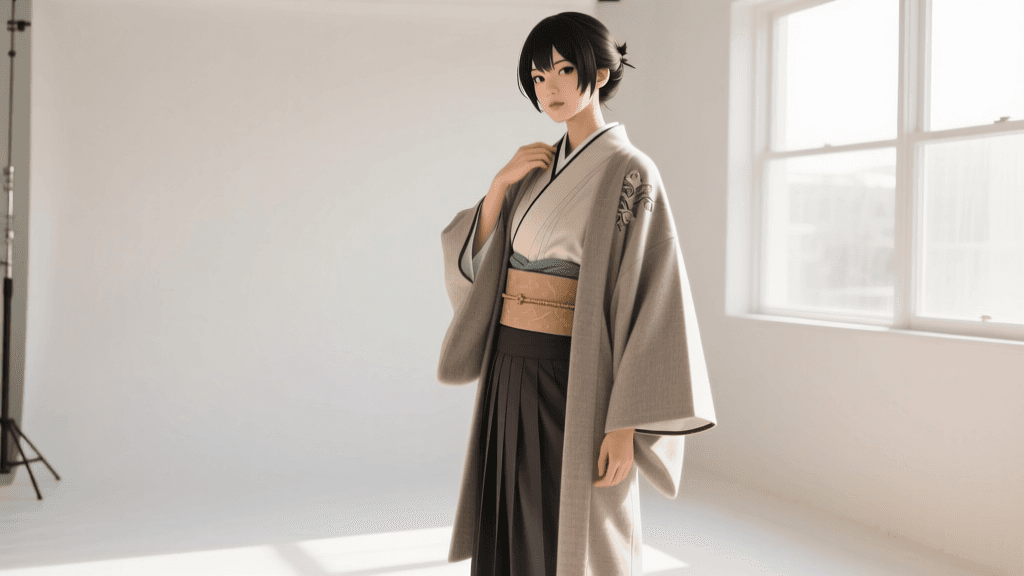
The global explosion of anime and manga has brought traditional Japanese garments into the mainstream spotlight, transforming historical clothing into iconic pop-culture symbols. From Tanjiro Kamado’s striking green-and-black checkered haori in Demon Slayer to the flowing, jet-black shihakusho and hakama worn by the Soul Reapers in Bleach, manga creators frequently draw upon Japan’s rich sartorial history to ground their fantastical worlds in cultural reality. For dedicated cosplayers and Japanese street-fashion enthusiasts, there inevitably comes a point where mass-produced, polyester convention replicas no longer suffice. Upgrading to authentic, traditionally crafted hakama and haori elevates a cosplay from a simple costume to a wearable piece of cultural art, offering unmatched comfort, drape, and visual authenticity.
Why Choose Authentic Garments Over Polyester Replicas?
Why make the jump to authentic garments when a $40 convention replica is readily available online? According to the Metropolitan Museum of Art's Heilbrunn Timeline of Art History, the evolution of Japanese dress is deeply intertwined with social status, climate adaptation, and aesthetic philosophy. When you wear an authentic silk, cotton, or hemp haori, you are experiencing the exact drape, weight, and breathability that historical figures—and the anime characters inspired by them—would have experienced.
The movement of a heavy cotton or wool-blend hakama as you walk across the convention floor mimics the dramatic, sweeping animation frames of your favorite samurai or shinobi characters far better than stiff, synthetic blends. Furthermore, authentic garments are constructed with specific interior linings and structural elements that allow for prolonged wear, an essential factor when spending ten hours on a crowded convention floor.
Authentic vs. Cosplay Replicas: A Comparison
| Feature | Authentic Traditional Garment | Convention Polyester Replica |
|---|---|---|
| Material & Breathability | Natural fibers (silk, cotton, hemp, wool). Highly breathable, moisture-absorbing. | Synthetic blends (polyester, spandex). Traps heat, causes excessive sweating. |
| Drape & Movement | Weighted hemlines and proper pleating create fluid, dramatic motion. | Stiff, lightweight fabric lacks structural weight; pleats often blow open. |
| Cost (USD) | $120 - $300+ (Vintage silk haori can be found for $80 - $150). | $30 - $70 (Full sets including tops and pants). |
| Durability | Generational lifespan if cared for properly. Hand-wash or dry-clean only. | Low lifespan. Seams fray quickly; fabric pills after minimal wear. |
| Cultural Accuracy | Features authentic structural elements like the koshi-ita and proper himo ties. | Lacks internal structure; often uses velcro or elastic waistbands. |
Sizing and Measurements: Getting the Perfect Fit
Sizing traditional Japanese clothing requires a shift in mindset from Western apparel. Instead of Small, Medium, and Large, traditional garments rely on specific body measurements and standardized numerical scales. As noted by cultural experts at Tofugu, understanding the geometry of Japanese clothing is crucial for achieving the correct silhouette.
Measuring for a Hakama
The hakama, the wide-legged pleated trousers famously worn by characters in Rurouni Kenshin and Gintama, is sized based on the wearer's height and the length from the navel (or natural waist) to the ankle bone. Traditional martial arts and formal hakama use a sizing scale typically ranging from 22 to 30. For example, a size 24 hakama generally fits individuals between 5'5" and 5'8" (165-175 cm), while a size 26 fits those between 5'8" and 5'11" (175-180 cm).
Crucially, an authentic hakama features a koshi-ita, a rigid trapezoidal backboard that rests against the small of the back. For martial arts and traditional hakama wearing guides, resources like the Kendo Guide emphasize the importance of the koshi-ita in maintaining proper posture and ensuring the garment sits securely at the waist without sagging. When purchasing, ensure the himo (ties) are sufficiently long—front ties should be at least 2.5 meters, and back ties at least 1.5 meters, to allow for the traditional tying methods.
Measuring for a Haori
The haori is the traditional jacket worn over a kimono or, in modern streetwear and cosplay, over a base layer or turtleneck. The most critical measurement for a haori is the yuki, which is measured from the center back of the neck, across the shoulder, and down to the wrist. A standard men's haori yuki is around 75-80 cm, while women's is typically 65-72 cm. Additionally, check the sleeve drop (the vertical width of the sleeve opening), which gives the haori its dramatic, wing-like appearance when the arms are raised in action poses.
Styling for the Convention Floor
Blending historical accuracy with the practical demands of a modern anime convention requires strategic styling. Here is how to assemble your outfit for maximum impact and comfort.
Footwear: Tabi, Zori, and Modern Compromises
Authentic styling demands tabi (split-toe socks) and zori or waraji (straw sandals). However, walking miles on concrete convention center floors in thin-soled zori is a recipe for severe foot pain. Actionable advice: Invest in a pair of modern jika-tabi (tabi boots with rubber soles) or thick-soled ninja tabi shoes. They preserve the split-toe aesthetic while providing the arch support necessary for a 12-hour convention day. If your character wears straw waraji (like Tanjiro), you can buy rubber-soled waraji replicas designed specifically for festival dancing and martial arts demonstrations.
Base Layers and Climate Control
Convention halls are notoriously unpredictable—freezing in air-conditioned halls but sweltering in crowded photo areas. Do not wear a traditional silk juban (under-kimono) if you are prone to sweating, as silk stains easily and is difficult to clean on the go. Instead, wear a modern, moisture-wicking compression shirt and leggings in a color that matches your character's inner layers (usually black or white). This provides a sleek, anime-accurate silhouette while regulating your body temperature.
Convention Survival: Packing and Maintenance
Authentic garments require specific care, especially when traveling. Improper packing can ruin the meticulous pleats of a hakama or crease a vintage silk haori beyond repair.
- Folding the Hakama: Never ball up a hakama. Learn the traditional folding method (hakama no tatamikata), which involves aligning the front and back panels, smoothing the five front and two back pleats, and folding the garment into a neat, flat rectangle. Secure it with the himo ties to prevent the pleats from shifting in your luggage.
- Packing the Haori: Fold the haori along its natural seam lines. Place it in a breathable cotton garment bag or wrap it in acid-free tissue paper to prevent friction and moisture buildup inside your suitcase.
- On-Site Maintenance: Bring a portable, battery-operated handheld steamer to your hotel room. A quick steam will release any travel wrinkles from cotton or wool blends and refresh the fabric between convention days. Avoid using hotel irons directly on vintage silk, as the heat can scorch the fibers instantly.
Conclusion
Transitioning from mass-produced costumes to authentic hakama and haori is a rewarding journey that bridges the gap between anime fandom and traditional Japanese culture. By understanding proper sizing, respecting the structural elements of the garments, and styling them with modern convention survival in mind, you not only achieve a visually stunning and accurate cosplay but also pay homage to centuries of Japanese textile craftsmanship. Whether you are portraying a demon-slaying swordsman or a modern streetwear enthusiast, the weight, drape, and history of authentic garments will undeniably elevate your presence on the convention floor.