The Ultimate Guide to Japanese Matsuri Festival Costumes
Introduction to Japanese Matsuri Attire
Japan’s festival culture, known as matsuri, is a vibrant expression of community, spirituality, and historical continuity. According to the Japan National Tourism Organization, Japan hosts well over 300,000 traditional festivals annually, ranging from the solemn, centuries-old rituals of Kyoto to the high-energy, neighborhood shrine parades of Tokyo. While the elaborate floats and portable shrines (mikoshi) often steal the spotlight, the traditional garments worn by the participants are equally crucial. Festival costumes are not merely decorative; they are highly functional performance wear designed to withstand grueling physical exertion, summer heat, and the need for synchronized group movement.
For enthusiasts of Asian traditions, understanding the mechanics, history, and procurement of Japanese festival wear offers a fascinating glimpse into the intersection of textile craftsmanship and communal performance. This guide breaks down the essential components of matsuri attire, providing actionable advice on sizing, budgeting, and wearing these iconic garments.
The Historical Roots of the Happi Coat
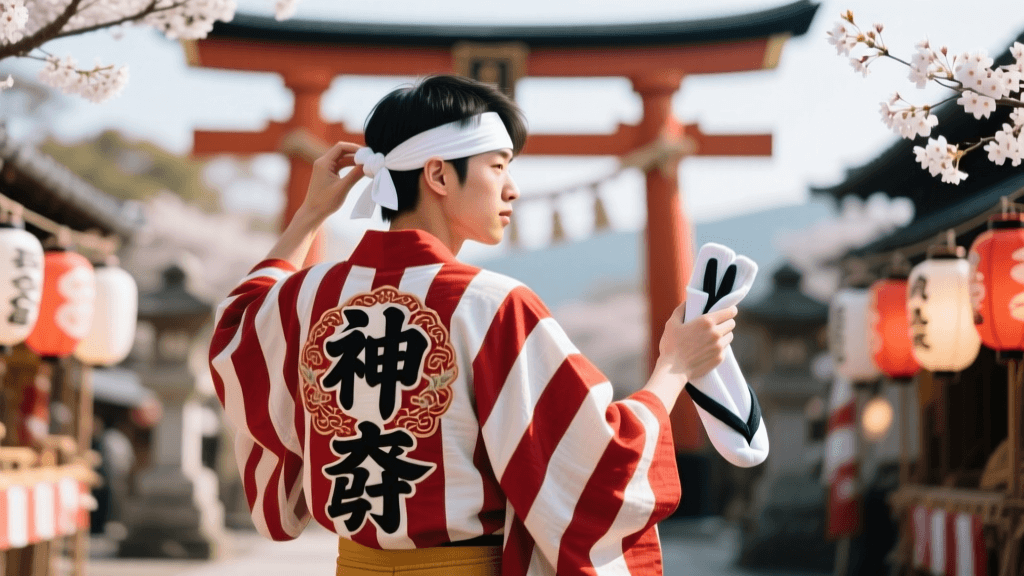
The most recognizable piece of Japanese festival clothing is the happi coat. Historically, the happi did not originate as festival wear. As documented in the textile archives of the Tokyo National Museum, the happi evolved during the Edo period (1603–1867) as a practical uniform for firefighters (hikeshi) and merchant house servants. The coat’s straight cut and wide sleeves allowed for maximum arm mobility, while the heavy cotton protected the wearer from embers and debris. The prominent crests (mon) or kanji characters dyed on the back served to identify the wearer’s brigade or employer. Over time, as neighborhood associations adopted the happi for carrying shrines and pulling floats, it transitioned from workwear into a symbol of civic pride and festival unity.
The Core Components of a Festival Outfit
A complete matsuri performance outfit consists of several layered and specialized garments, each serving a distinct functional purpose.
1. The Happi Coat
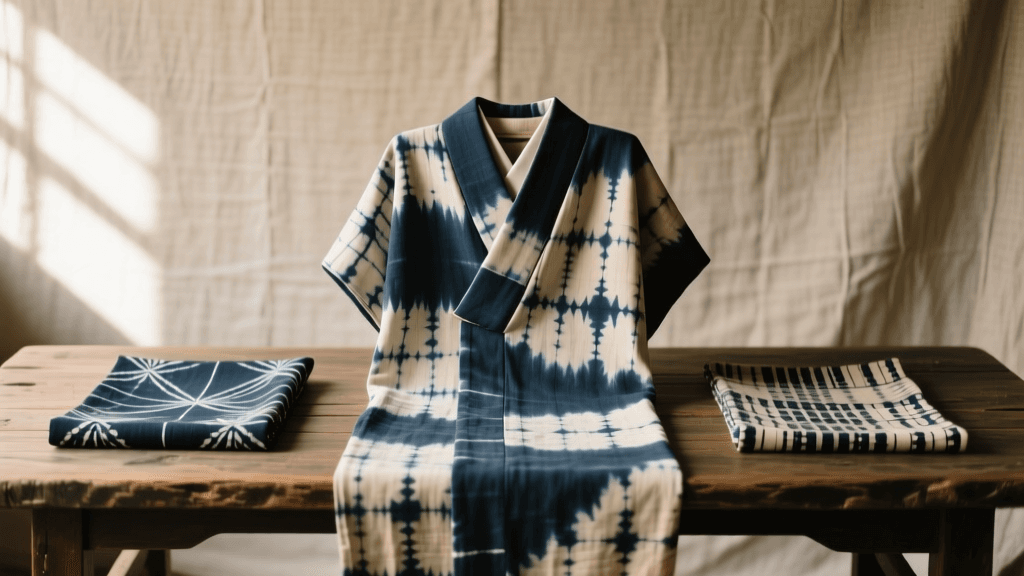
The happi is a short, wide-sleeved jacket that wraps left over right and is secured at the waist. Authentic festival happi are made from 100% cotton and feature traditional chusen (pour-dyeing) or aizome (natural indigo) techniques, which allow the fabric to breathe and wick away sweat. The back typically displays the kanji for the local shrine, neighborhood association, or the word matsuri (festival).
2. Momohiki and Tobi Pants
Worn beneath the happi, momohiki are tight-fitting, cropped cotton trousers that end just below the calf. They are designed to prevent loose fabric from catching on the wooden poles of a mikoshi or the wheels of a festival float. A variation, tobi pants, are baggier at the thighs and tight at the calves, originally worn by construction workers but frequently adopted by festival dancers for a dynamic, flowing silhouette during performances.
3. Hachimaki (Headband)
The hachimaki is a woven cotton headband tied tightly around the forehead. Its primary purpose is practical: it absorbs sweat and keeps hair out of the eyes during strenuous activity. Symbolically, it represents perseverance, fighting spirit, and group solidarity.
4. Tabi and Jikatabi Footwear
Footwear is critical for festival performers who must navigate uneven streets while carrying heavy loads. Tabi are traditional split-toe socks. However, for active mikoshi carriers, jikatabi (split-toe shoes with rubber soles) are mandatory. Brands like Marugo and Rikio produce jikatabi with specialized air-cushioned soles to absorb the shock of the rhythmic bouncing and stepping inherent to shrine parades.
Happi vs. Yukata vs. Jinbei: A Comparative Guide
Visitors and performers often confuse various types of informal Japanese summer wear. The following table clarifies the distinctions to help you select the correct garment for your specific festival role.
| Garment | Primary Use | Mobility | Avg Cost (USD) | Formality & Context |
|---|---|---|---|---|
| Happi Coat | Parades, Mikoshi carrying, Taiko drumming | High | $35 - $150 | Informal / Group Uniform |
| Yukata | Bon Odori dancing, fireworks viewing, spectators | Medium | $40 - $200 | Casual Summer Wear |
| Jinbei | Lounging, casual street food stalls, children | High | $25 - $80 | Very Casual / Loungewear |
| Momohiki | Leggings for shrine carriers and laborers | Maximum | $20 - $60 | Workwear / Performance Base |
Practical Guide: Sizing, Measurements, and Budgeting
Purchasing authentic festival gear requires an understanding of Japanese sizing, which differs significantly from Western apparel standards.
Sizing the Happi Coat
Unlike Western jackets, happi coats are sized primarily by length rather than chest width, as the wrap-around design accommodates a wide range of torso sizes.
- 80cm (31.5 inches): Hits at the hip. Ideal for children or women preferring a cropped look for dance performances.
- 85cm - 90cm (33.5 - 35.5 inches): The standard adult size. Hits at the mid-thigh, providing optimal coverage without restricting knee movement during deep stances.
- 110cm+ (43+ inches): Knee-length. Often worn by senior group leaders or taiko drummers who require more dramatic visual flow.
Budgeting and Timing
If you are outfitting a performance troupe or attending a major event like the Gion Matsuri—which the Kyoto City Tourism Association notes requires months of preparation by local guilds—you must budget accordingly.
- Mass-Produced Poly-Cotton Happi: $20 - $40. Best for one-off tourist events or large school groups. Lacks breathability.
- Standard 100% Cotton Happi: $40 - $90. The best entry-level choice for active participants. Usually machine-washable.
- Authentic Chusen Hand-Dyed Happi: $120 - $300+. Commissioned by neighborhood associations. The dye penetrates entirely through the fabric, meaning there is no 'wrong' side to the cloth. These are heirloom-quality pieces.
How to Wear and Tie a Happi Coat Correctly
Wearing a happi incorrectly can lead to wardrobe malfunctions during vigorous performances. Follow these steps for a secure, traditional fit:
- The Base Layer: Never wear a happi directly over bare skin or modern t-shirts if performing traditionally. Wear a lightweight cotton hadajuban (undershirt) or a suteteko (traditional long johns) to absorb sweat and protect the happi’s inner collar from body oils.
- Wrapping: Put on the happi and wrap the left side over the right side. (Wrapping right over left is strictly reserved for dressing the deceased in Japanese funerary rites).
- The Belt (Obi): Use a heko obi (a soft, sash-like cotton belt) or a thin kaku obi. Wrap the obi around your waist, over the happi lapels.
- The Knot: Tie a secure square knot or a traditional bunko musubi (bow knot) at the front or slightly off-center on the hip. For mikoshi carriers, the knot is usually tied at the front to act as a minor abdominal brace and to keep the coat securely closed during lifting.
- Footwear: Slip on your jikatabi. Ensure the kohaze (metal clasps) on the side of the shoe are fastened tightly from the bottom up to prevent ankle rolling.
Pro-Tip for Performers: If you are participating in a Bon Odori dance or carrying a mikoshi, safety pins are a performer's best friend. Discreetly pin the inner lapel of the happi to your undergarment to prevent the coat from flapping open during high-energy movements.
Care and Maintenance of Festival Garments
Authentic indigo-dyed (aizome) and chusen happi coats require specific care to maintain their vibrant colors and structural integrity.
- Washing: Hand wash in cold water using a neutral pH detergent. Never use bleach or harsh stain removers, as they will strip the natural dyes.
- Drying: Hang dry in the shade. Direct sunlight will rapidly fade natural indigo and traditional chemical dyes.
- Storage: Store your happi flat or rolled. Hanging heavy cotton garments on wire hangers for long periods can distort the shoulder seams and stretch the collar.
Conclusion
Japanese matsuri costumes are a masterclass in functional textile design, blending centuries of workwear evolution with deep communal symbolism. Whether you are sourcing a simple cotton happi for a local taiko ensemble or investing in hand-dyed momohiki for a shrine parade, understanding the measurements, materials, and proper wearing techniques ensures you honor the tradition while performing at your best. By choosing authentic, breathable fabrics and proper split-toe footwear, you equip yourself to fully immerse in the exhilarating, sweat-drenched, and profoundly unifying experience of the Japanese festival.