Decoding Kimono Motifs: Seasonal Colors and Symbols
The Language of the Kimono: Beyond Aesthetics
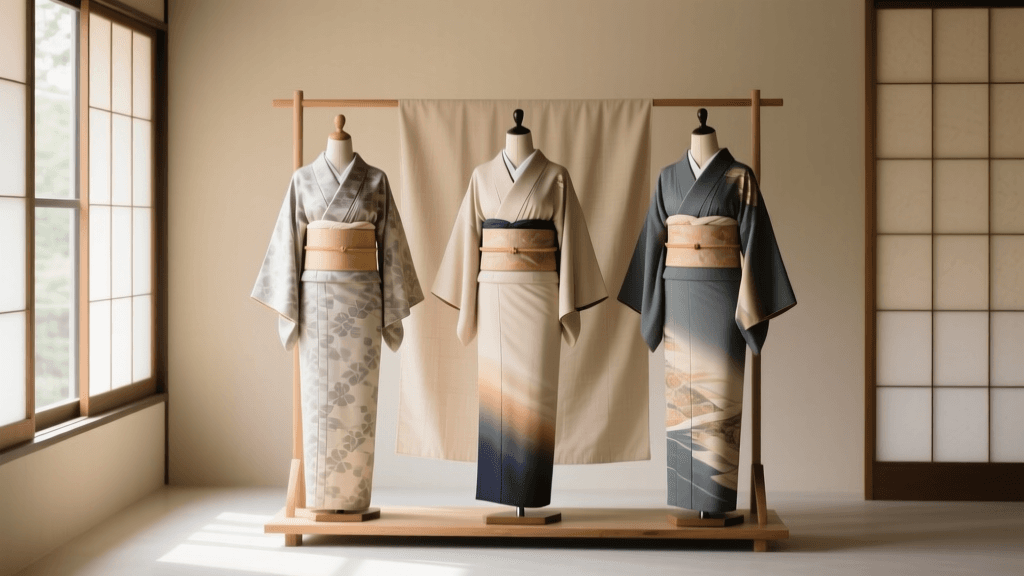
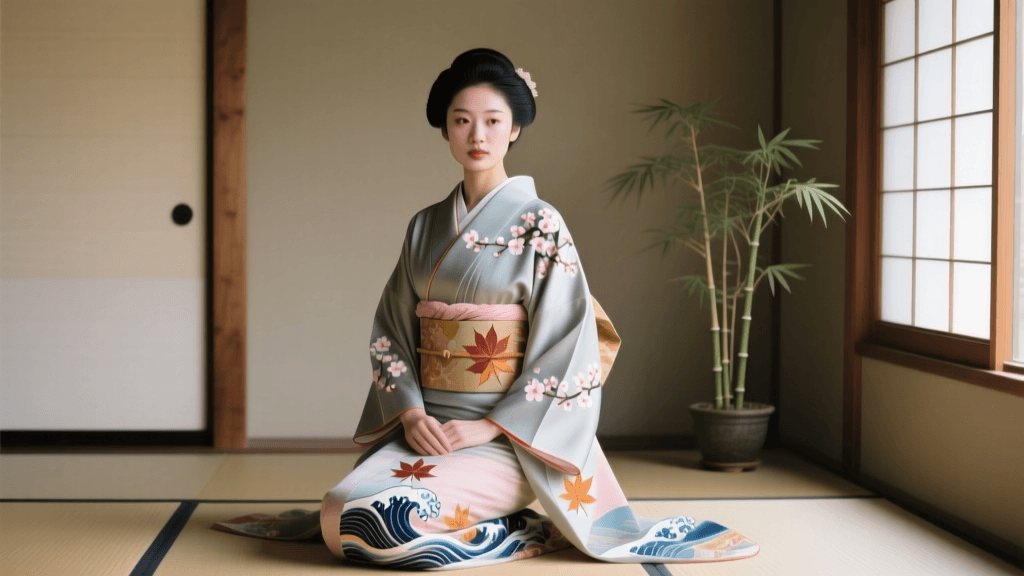
In the world of traditional Japanese garments, a kimono is never merely a piece of clothing; it is a dynamic canvas that reflects the natural world, social status, and the fleeting passage of time. This deep connection to nature is encapsulated in the concept of kisetsukan, or the 'sense of the season.' According to the Victoria and Albert Museum, the kimono's T-shaped structure serves as a backdrop for intricate motifs that communicate the wearer's awareness of the changing seasons, often long before the actual weather shifts. Understanding these motifs and their associated colors is essential for anyone looking to wear, collect, or appreciate Japanese textiles authentically.
The Golden Rule of Seasonal Timing
The most critical rule in kimono styling is anticipation. You should wear motifs roughly one month before the natural phenomenon they depict actually occurs in nature. For example, cherry blossom (sakura) motifs are worn in February and March to anticipate the spring bloom. Wearing cherry blossoms while they are actually blooming or falling is traditionally considered melancholic or bad luck, as it implies you are trying to compete with nature or mourning its passing. This forward-looking approach to fashion demonstrates a refined sensitivity to the subtle shifts in the environment.
Spring (Haru): Anticipating the Bloom
Key Motifs: Sakura, Ume, and Botan
Spring motifs are characterized by soft pinks, vibrant reds, and fresh greens. The plum blossom (ume) is worn in late winter to early spring (January to February), symbolizing resilience and the first breath of warmth. As February turns to March, the iconic cherry blossom (sakura) takes center stage, representing the ephemeral nature of life. By April, the peony (botan) is introduced, symbolizing wealth and prosperity. When styling a spring komon (casual everyday kimono), pair these floral motifs with a soft pastel obi (sash) to enhance the season's gentle aesthetic.
Summer (Natsu): Coolness and Flow
Key Motifs: Asagao, Ayu, and Water Patterns
Summer in Japan is intensely hot and humid, so kimono motifs and fabrics are specifically chosen to evoke a psychological sense of coolness. The Metropolitan Museum of Art highlights the use of sheer, breathable fabrics like ro and sha silk, as well as cotton for yukata. Motifs include the morning glory (asagao), sweetfish (ayu) swimming upstream, and abstract water ripples (seigaiha). Colors shift to cool indigos, crisp whites, and translucent blues. A summer yukata featuring a water motif in deep indigo is not only historically accurate but practically cooling to the eye.
Autumn (Aki): Harvest and Melancholy
Key Motifs: Momiji, Kiku, and Tsuki
Autumn motifs celebrate the harvest and the beautiful decay of foliage. The maple leaf (momiji) is the quintessential autumn symbol, worn in September and October in brilliant shades of crimson and gold. The chrysanthemum (kiku), a symbol of the imperial family and longevity, is worn throughout the autumn months. The moon (tsuki) and pampas grass (susuki) are also popular, evoking the crisp, clear nights of the harvest season. When wearing an autumn tsukesage (semi-formal kimono), opt for warm, earthy tones like mustard, rust, and deep burgundy.
Winter (Fuyu): Endurance and Purity
Key Motifs: Shochikubai and Yukiwa
Winter motifs focus on endurance, purity, and the promise of renewal. The most famous winter motif is shochikubai, the 'Three Friends of Winter,' which combines pine (matsu), bamboo (take), and plum (ume). These three plants remain green or bloom even in the harshest cold, symbolizing steadfastness and resilience. Another unique winter motif is the yukiwa (snow ring), which depicts the intricate crystalline structure of snowflakes. Winter garments are typically lined and made from heavy, opaque silks like chirimen (crepe), utilizing deep greens, stark whites, and rich blacks.
Color Symbolism and Formality
Color in Japanese dress is not just decorative; it carries deep cultural and spiritual weight. The Japan Experience cultural archives note that certain colors were historically restricted by sumptuary laws and class systems. Today, color still dictates the formality and appropriateness of a garment.
| Color | Symbolism & Meaning | Formality Level | Seasonal & Contextual Tie |
|---|---|---|---|
| White (Shiro) | Purity, truth, and the divine. | Highest Formality | Weddings, mourning (with specific crests), and winter. |
| Black (Kuro) | Mystery, formality, and mourning. | Highest Formality | Kurotomesode for married women at weddings; funerals. |
| Red (Aka) | Life force, protection from evil, youth. | Varies by shade | Worn by young women, brides (uchikake), and in winter/spring. |
| Purple (Murasaki) | Nobility, spirituality, and high rank. | High Formality | Year-round; historically restricted to the highest classes. |
| Indigo (Ai) | Practicality, coolness, and the working class. | Casual / Everyday | Summer (yukata); highly valued for its insect-repellent properties. |
Actionable Guide: Building a Seasonal Kimono Wardrobe
For collectors, enthusiasts, and those looking to wear kimono authentically outside of Japan, building a wardrobe requires an understanding of sizing, garment types, and market costs. Here is a practical breakdown to guide your purchases.
1. Understanding Measurements and Sizing
Unlike Western clothing, kimono are sold based on specific body measurements rather than standard S/M/L sizes. When buying vintage or modern pieces, always check these three critical metrics:
- Yuki (Arm Span): Measured from the center back of the neck, over the shoulder, to the wrist. Modern standard is typically 62-66 cm. Vintage kimono often have shorter yuki (58-61 cm) due to historical nutritional differences.
- Mihaba (Half-Width): The width of one back panel. Standard is 30-34 cm. If your hips are significantly wider than the mihaba multiplied by two, the kimono will not wrap properly.
- Take (Length): Measured from the base of the neck to the ankle. Ideally, the take should equal your exact height, allowing for the ohashori (the waist fold that adjusts the length).
2. Product Types and Market Costs
When sourcing garments, whether from specialized dealers in Kyoto or online vintage marketplaces, expect the following price ranges for authentic pieces:
- Vintage Silk Komon (Casual): $30 - $150 USD. Ideal for everyday wear, tea practice, and casual outings. Look for Yuzen dyeing for high-quality, hand-painted motifs.
- Modern Cotton Yukata (Summer): $40 - $120 USD. The most accessible entry point. Machine-washable and perfect for summer festivals.
- Silk Homongi (Formal Visiting Wear): $300 - $1,500+ USD (Vintage); $2,000 - $5,000+ (New). Features continuous patterns that flow across the seams. Essential for weddings and formal tea ceremonies.
- Nagoya Obi (Semi-Formal Sash): $50 - $250 USD. Pre-folded and easier to tie than formal obi. Perfect for pairing with tsukesage and komon.
3. Timing Your Purchases
To get the best deals on seasonal garments, buy off-season. Purchase heavy winter chirimen silk kimono in July and August when demand is lowest. Conversely, hunt for summer ro and sha garments in December. Vintage kimono markets, such as the monthly Toji Temple market in Kyoto, offer the best prices, but online platforms like eBay and specialized Japanese export sites (e.g., Ichiroya) are excellent for international buyers if you strictly verify the yuki and take measurements.
'To wear a kimono is to wear the season itself. The silk does not just cover the body; it places the wearer in harmony with the turning of the earth.'
Conclusion
Decoding the motifs and colors of the kimono transforms the garment from a beautiful piece of fabric into a profound cultural text. By respecting the rules of kisetsukan, understanding the historical weight of color, and purchasing with an eye for precise measurements, you can honor the deep traditions of Japanese textile arts. Whether you are tying a vintage indigo yukata for a summer evening or draping a formal homongi adorned with autumn maples, you are participating in a centuries-old dialogue between humanity and the natural world.