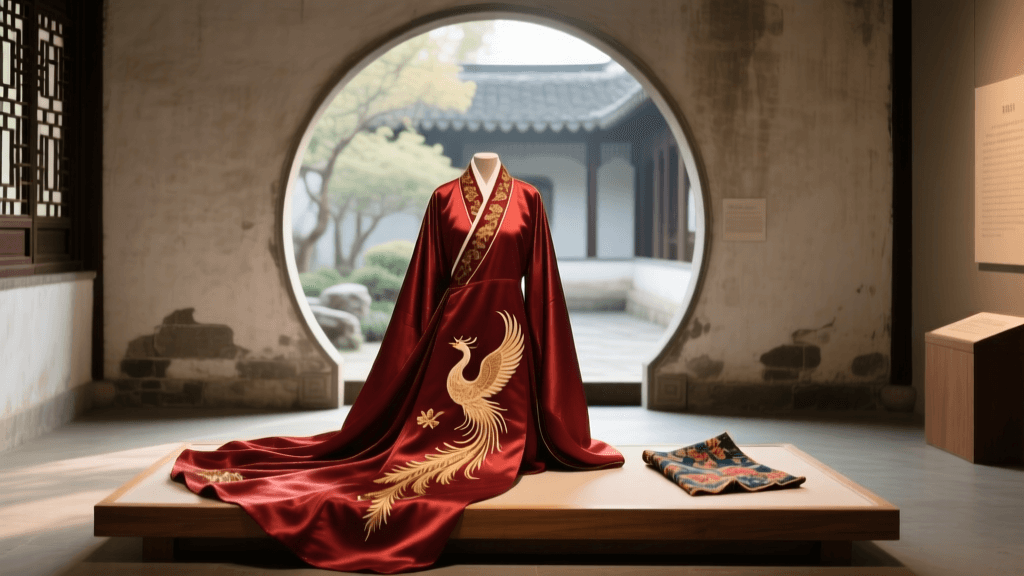
Screen to Street: Styling Hanfu From Hit Chinese TV Dramas
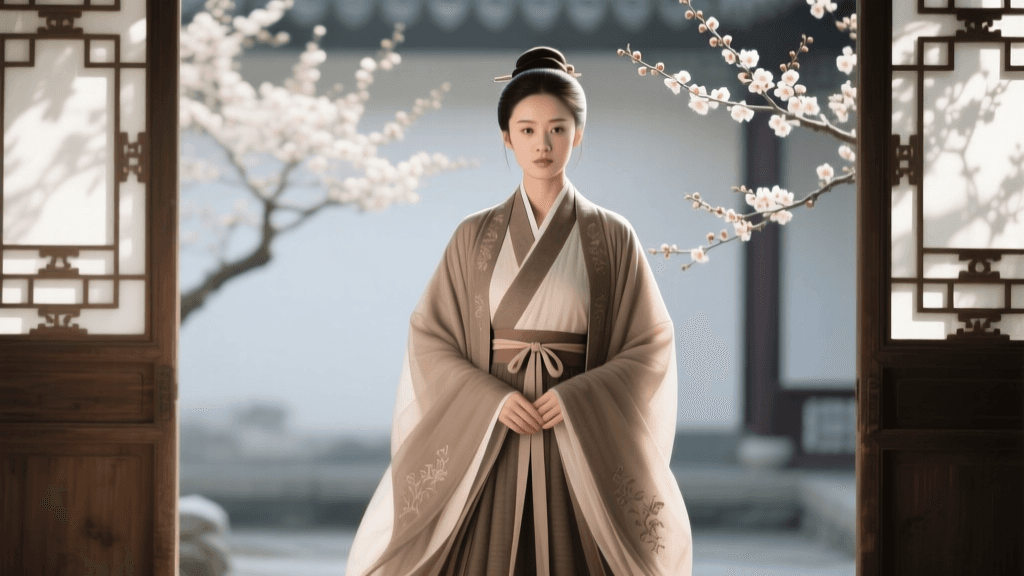
The C-Drama Effect: From Screen to Street
Over the past decade, Chinese historical dramas—often referred to as C-dramas—have transcended mere entertainment to become powerful cultural catalysts. Shows like The Story of Minglan, Love Like the Galaxy, and Serenade of Peaceful Joy have not only captivated global audiences with their intricate plots but have also ignited a massive resurgence in traditional Chinese clothing. This phenomenon, widely known as the Hanfu movement, has transformed screen-accurate costumes into everyday street fashion. According to The New York Times, the Hanfu market has exploded into a multi-billion-dollar industry, driven largely by young consumers eager to emulate the sartorial elegance of their favorite on-screen protagonists.
However, translating the fantastical, heavily stylized costumes of television into practical, real-world garments requires a nuanced understanding of historical silhouettes, fabric weights, and modern adaptability. Television costumes are pinned, taped, and lit for the camera, often utilizing heavy synthetic fabrics that are unbearable in daily life. This guide breaks down how to recreate the most iconic dynasty-specific looks from hit C-dramas, offering actionable advice on measurements, sourcing, and styling for the modern Hanfu enthusiast.
Recreating the Ming Dynasty Aristocrat
The Ming Dynasty (1368–1644) is the undisputed star of recent historical dramas. The costume design in The Story of Minglan heavily references the Ming Hui Dian (Collected Statutes of the Ming), showcasing structured, modest, yet incredibly opulent garments. The hallmark of this era is the Aoqun (a lined jacket paired with a skirt) and the iconic Mamianqun (horse-face skirt).
The Aoqun (Jacket and Skirt) Silhouette
To achieve the dignified Ming silhouette seen on leading ladies, opt for a stand-collar (liling) long jacket, known as a Chang Ao. For screen accuracy, the jacket should measure between 70cm and 85cm in length, falling just below the hips. The sleeves should feature the classic pipa (lute) shape—narrow at the wrist and wide at the shoulder—requiring about 1.5 meters of fabric width per sleeve to achieve the correct drape. For daily wear, ensure the wrist cuffs are lined with soft cotton to prevent chafing, a detail often overlooked in mass-produced drama merchandise.
The Mamianqun (Horse-Face Skirt)
The Mamianqun is the crown jewel of Ming styling. In dramas, these skirts often feature heavy, gold-woven (zhijin) brocades that catch the studio lighting. For real-life wear, a 4.5-meter hem circumference with 5 to 6 pairs of deep pleats provides the necessary volume without looking like a stage costume. Practical Tip: Avoid heavy theatrical brocades (which can exceed 400gsm) for daily wear. Instead, look for Jacquard-woven cotton or polyester blends in the 200-250gsm range. This provides the structural stiffness required to keep the pleats sharp while remaining breathable. As noted by the South China Morning Post, modern manufacturers have successfully adapted these traditional weaving techniques for contemporary, machine-washable fabrics.
The Pifeng (Outer Cloak) and Bijia (Vest)
To complete the Ming noblewoman look, a Pifeng (open-front cloak) is essential. Choose a knee-length Pifeng with a straight collar. For transitional weather, dramas frequently feature the Bijia, a sleeveless vest worn over the Aoqun. A waist-length Bijia in a contrasting jewel tone adds visual depth to the outfit without the overheating risks of a full cloak.
The Song Dynasty Minimalist: Elegance in Serenade of Peaceful Joy
If the Ming dynasty represents opulence, the Song Dynasty (960–1279) represents refined minimalism. Serenade of Peaceful Joy beautifully captures the intellectual and understated aesthetic of the Song court. The styling here relies on slender silhouettes, delicate layering, and muted, nature-inspired color palettes.
The Beizi and Moxiong Combination
The core of the Song wardrobe is the Beizi, a long, open-front coat with side slits that reach the armpit. For a screen-accurate look, the Beizi should be ankle-length (approx. 110-120cm depending on your height) with narrow, straight sleeves. Beneath the Beizi, wear a Moxiong (a tube top or camisole) paired with a Baizhequn (a finely pleated skirt). The Baizhequn should feature micro-pleats, requiring up to 6 meters of fabric to achieve the signature 'water-like' ripple effect when walking.
Fabric and Color Theory
Unlike the heavy brocades of the Ming, Song styling demands fluidity. Use 16 momme silk, silk-cotton blends, or high-quality 120gsm chiffon. The color palette should mimic Song dynasty porcelain and landscape paintings: think celadon greens, misty blues, soft lotus pinks, and pearl whites. This 'Morandi' color palette is highly favored in modern Hanfu circles for its versatility and sophisticated, understated elegance.
Modern Practicality: The Songku
For those who admire the Song aesthetic but require mobility, the Songku (Song dynasty trousers) are a revelation. Often worn by commoners and merchants in shows like A Dream of Splendor, these wide-legged, pleated trousers can be paired with a short Beizi for a chic, gender-neutral, and highly practical streetwear look.
Screen vs. Reality: Adapting Costumes for Daily Wear
Television costumes are designed for the camera, not for commuting. Below is a practical comparison chart to help you adapt drama-inspired looks for everyday life.
| Garment Element | TV Drama Styling | Real-Life Practical Styling | Cost Estimate (USD) |
|---|---|---|---|
| Mamianqun Fabric | Heavy metallic threads, stiff synthetic brocade (350gsm+) | Cotton-linen blends, soft Jacquard (200gsm) | $45 - $120 |
| Sleeve Length | Floor-sweeping, trailing sleeves for dramatic effect | Wrist-length or mid-hand for practical use | N/A (Tailoring) |
| Collars (Huling) | Exaggerated, stiff white plastic inserts glued to the neck | Soft cotton detachable collors tied with strings | $5 - $15 |
| Footwear | Hidden platform boots to elongate the silhouette | Embroidered flat cloth shoes or modern loafers | $25 - $60 |
Sourcing Screen-Accurate Hanfu
Finding the right vendors is crucial for achieving a screen-accurate look without sacrificing quality. The Hanfu market is heavily concentrated on Taobao, but many top-tier brands now offer international shipping via consolidators like Superbuy or CSSBuy. Be mindful of shipping weights; a full Ming dynasty winter set can easily exceed 2kg.
- Minghuatang: Known as the 'Hermès of Hanfu,' this brand is famous for its meticulous historical accuracy and use of genuine silk and gold-leaf weaving. Their Ming dynasty pieces are frequently referenced by costume designers. Expect to pay $150-$300+ per piece, with production times often exceeding 45 days.
- Shisanyu: A highly accessible brand that frequently collaborates with museums and TV dramas. They offer excellent mid-range options ($50-$100) that balance historical accuracy with modern, machine-washable fabrics.
- Zhongling: The go-to brand for Song dynasty aesthetics. Their use of lightweight silks and accurate, muted dyeing techniques makes them perfect for recreating the Serenade of Peaceful Joy aesthetic.
Garment Care: Preserving the Illusion
Drama costumes are often discarded or heavily cleaned by studio staff, but your investment requires care. Never machine-wash gold-woven (zhijin) Mamianqun, as the agitation will fray the metallic threads and ruin the pleat structure. Instead, hand wash in cold water with a pH-neutral silk detergent, and hang to dry in the shade. To maintain the sharp pleats of a horse-face skirt, use a steam iron on a low setting, pressing along the original fold lines while the fabric is slightly damp.
Hair, Accessories, and Makeup
A Hanfu outfit is incomplete without the proper styling. In C-dramas, leading ladies wear elaborate updos adorned with gold and jade. For real life, invest in a high-quality faux hair bun (Jia Bao) that matches your hair color. Secure it with a Dizhi (a single-prong hairpin) or a Zanzi (double-prong pin) made of resin, wood, or brass. Avoid cheap, overly shiny plastic accessories, as they immediately break the illusion of historical authenticity.
For makeup, drama fans often incorporate Huadian (floral forehead appliques) and Xiehong (red eye-corner makeup). To adapt this for the street, use a subtle, monochromatic red or peach eyeshadow blended toward the temples, and opt for a delicate, minimalist gold leaf applique rather than a full, theatrical forehead decal.
Conclusion
The intersection of Chinese television and traditional fashion has created a vibrant, living history that fans can wear and experience. By understanding the structural differences between screen costumes and historical garments, and by making smart fabric and styling choices, you can bring the magic of C-dramas into your everyday wardrobe. As The Guardian observes, this movement is not merely about cosplay; it is a profound reconnection with cultural heritage, reimagined for the modern world.