The Ultimate Guide to Collecting Vintage Taisho Era Kimono
The Allure of Taisho Roman (1912–1926)
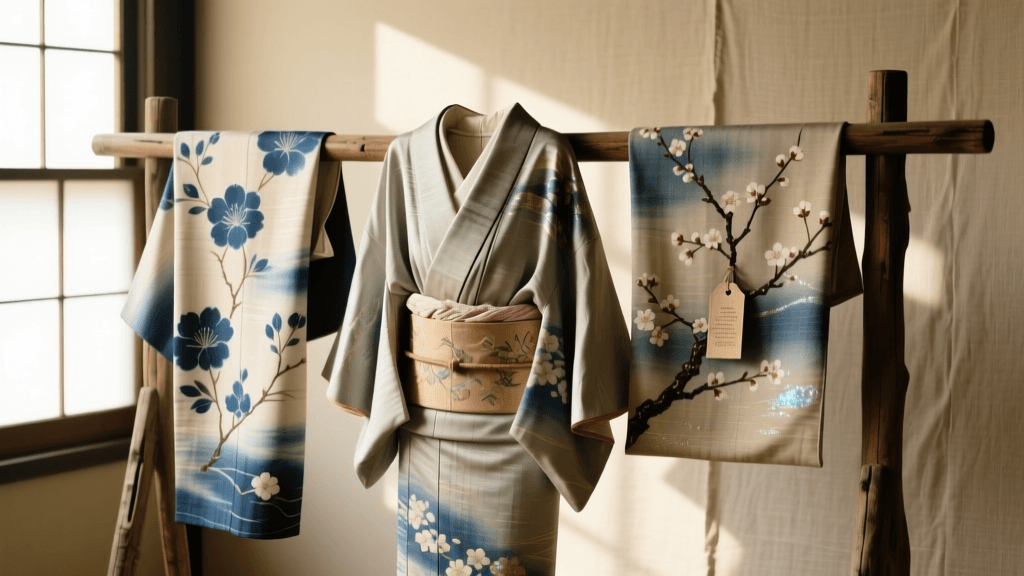
For serious collectors of traditional Japanese garments, the Taisho era (1912–1926) represents a golden age of textile innovation and aesthetic rebellion. Following the rapid modernization of the Meiji period, the Taisho era introduced a brief but brilliant window of cosmopolitan freedom, democratic ideals, and artistic experimentation. This cultural shift birthed the aesthetic movement known as Taisho Roman, a romanticized blend of traditional Japanese sensibilities with Western Art Deco and Art Nouveau influences. According to the Victoria and Albert Museum's 'Kimono: Kyoto to Catwalk' exhibition, this era saw the kimono transform from a strict marker of social class into a vibrant canvas for modern artistic expression.
Collecting vintage Taisho kimono is not merely about acquiring old clothing; it is an exercise in preserving a fleeting moment in Japanese history. The garments from this period are highly sought after for their bold geometric patterns, unprecedented color palettes, and masterful craftsmanship. However, navigating the antique textile market requires a keen eye for authentication, an understanding of historical tailoring, and a commitment to archival preservation.
Identifying Authentic Vintage Taisho Pieces
The Aniline Dye Revolution
One of the most defining characteristics of Taisho era textiles is the widespread adoption of synthetic aniline dyes. Prior to the Meiji restoration, Japanese dyers relied exclusively on botanical sources, such as indigo for blues and safflower for reds. While beautiful, these natural dyes were limited in their vibrancy and colorfastness. The Taisho period saw the mass importation and domestic production of chemical dyes, allowing artisans to achieve striking, almost neon purples, vivid magentas, and deep maroons that were previously impossible to create.
When examining a potential Taisho piece, look for these hallmark synthetic hues, particularly in the yuzen (paste-resist dyeing) and kasuri (ikat) patterns. A vibrant, deep violet or a sharp, contrasting crimson against a dark background is a strong indicator of early 20th-century chemical dyeing. Be aware that some early aniline dyes are prone to 'bronzing' or fading to a rusty brown when exposed to prolonged sunlight, a patina that collectors often accept as a mark of age.
Construction and Seam Analysis
Authentic vintage kimono are constructed from straight, uncut bolts of fabric known as tanmono. Unlike Western garments, which are cut and tailored to follow the curves of the body, kimono are composed of rectangular panels. To verify authenticity, inspect the back seam (bachi). It should run perfectly straight down the center of the garment. If you notice curved darts, fitted shoulder seams, or armholes that have been altered to accommodate modern Western tailoring, the piece has likely been compromised or is a later reproduction.
Additionally, examine the miyatsu-guchi, the open slit located under the arm on women's kimono. This slit allows for the adjustment of the ohashori (the fold at the waist) and provides ventilation. Its presence, along with the standard straight-sleeve construction, is vital for identifying genuine historical pieces. For deeper insights into historical silhouettes and tailoring evolution, the Kyoto Costume Institute Digital Archives offers an invaluable visual database of Japanese and Western garment construction.
Sourcing, Pricing, and Valuation
Sourcing authentic Taisho kimono requires patience and a strategic approach. In Japan, the most rewarding hunting grounds are the antique markets at Toji Temple in Kyoto or the Mottaimachi market in Kanazawa. For international collectors, Japanese proxy bidding services like Buyee or ZenMarket provide access to Yahoo Auctions Japan, where thousands of vintage textiles are listed daily. When evaluating a piece, condition, rarity of the motif, and the presence of the artisan's stamp (hanko) heavily influence the price.
| Condition | Era / Textile Type | Estimated Cost (USD) | Best Use for Collectors |
|---|---|---|---|
| Mint / Unworn | Taisho Yuzen Silk Crepe | $300 - $850+ | Museum Display, High-end Wear, Investment |
| Excellent | Taisho Oshima Tsumugi (Pongee) | $150 - $450 | Regular Wear, Textile Study, Collecting |
| Good (Minor spots) | Meiji/Taisho Haori (Jacket) | $40 - $120 | Casual Wear, Interior Decor, Upcycling |
| Fragile / Stained | Early Taisho Komon (Stencil) | $15 - $60 | Framing, DIY Accessories, Dye Study |
Understanding Vintage Measurements
Unlike modern clothing, vintage kimono were bespoke, tailored to the specific measurements of the original wearer. Because the average height of Japanese women in the 1910s and 1920s was shorter than it is today, vintage kimono often present sizing challenges for modern wearers. Understanding the core measurements is critical before placing a bid or making a purchase.
- Mitake (Back Length): Measured from the base of the collar seam down to the hem. Vintage pieces frequently have a mitake of 150–155 cm. Modern wearers often prefer lengths over 160 cm, meaning many Taisho kimono are best suited for shorter individuals or for wearing with a deeper ohashori fold.
- Yuki (Sleeve Span): Measured from the center back seam, across the shoulder, and down to the outer edge of the sleeve. Vintage yuki typically ranges from 60 to 64 cm. Because the shoulder seams are straight and not set-in, the yuki dictates how far the sleeve will drape over the arm.
- Sode-guchi (Sleeve Opening): Taisho era sleeves often feature slightly narrower openings and deeper drops (sode) compared to modern standard kimono, giving them a dramatic, sweeping silhouette that is highly prized by collectors.
The Role of the Lining: Hakkake and Doura
A common mistake among novice collectors is focusing solely on the exterior fabric while neglecting the interior. The lining of a kimono is divided into the doura (the upper body lining, usually plain white silk) and the hakkake (the lower lining). In high-quality Taisho kimono, the hakkake was often made of highly decorative, vibrant silk crepe (chirimen) or featured intricate yuzen dyeing and gold leaf application that would flash subtly when the wearer walked.
When inspecting a vintage piece, carefully examine the hakkake for structural weakness. The lower lining is subjected to friction from walking and is highly susceptible to sweat stains, dry rot, and hem fraying. A kimono with a pristine exterior but a shattered hakkake will require costly professional restoration, significantly impacting its overall value and wearability.
Preservation and Archival Storage
Silk is a delicate protein fiber that requires stringent environmental controls to survive for another century. Improper storage is the leading cause of deterioration in vintage textile collections. According to the Victoria and Albert Museum's guide on caring for historic textiles, maintaining stable humidity and avoiding direct light are paramount for preserving organic fibers.
The Art of Tatami-fu (Traditional Folding)
Never hang a vintage silk kimono on a wire or wooden hanger for long-term storage. The weight of the heavy silk, combined with the stiff yuzen paste resist and metallic threads, will cause the shoulder seams to stretch, distort, and eventually tear under the gravitational stress. Collectors must learn tatami-fu, the traditional Japanese folding method, which distributes the weight evenly and prevents permanent creases along the delicate motifs.
Archival Materials and Environment
Once folded, the kimono should be wrapped in acid-free, unbuffered tissue paper or traditional tatou-shi (specially treated washi paper). Never store vintage silk in plastic bags or dry-cleaning covers; plastic traps moisture, encourages mold growth, and emits off-gassing chemicals that will permanently yellow the silk. Instead, place the wrapped garments in a traditional cedar chest (tansu or kiribako). The natural oils in cedar wood act as a mild insect repellent, protecting the textiles from silverfish and carpet beetles.
Store the chest in a climate-controlled interior room, avoiding attics or basements where temperature and humidity fluctuate wildly. Aim for a relative humidity of 45-55% and a stable temperature of around 65°F (18°C). Include silica gel packets to manage moisture, and air out the garments on a dry, overcast day once or twice a year to prevent musty odors and allow the fibers to breathe.
Conclusion
Collecting vintage Taisho era kimono is a deeply rewarding pursuit that bridges the gap between fashion history and textile conservation. By understanding the chemical dye revolutions of the 1920s, mastering the nuances of bespoke measurements, and committing to rigorous archival storage, collectors ensure that these masterpieces of Japanese craftsmanship survive to inspire future generations. Each fold, dye, and stitch tells a story of a rapidly modernizing Japan, making every authentic Taisho garment a wearable piece of history.