Japanese Festival Costumes: Happi Coats & Bon Odori Guide
The Heartbeat of Matsuri: Understanding Japanese Festival Costumes
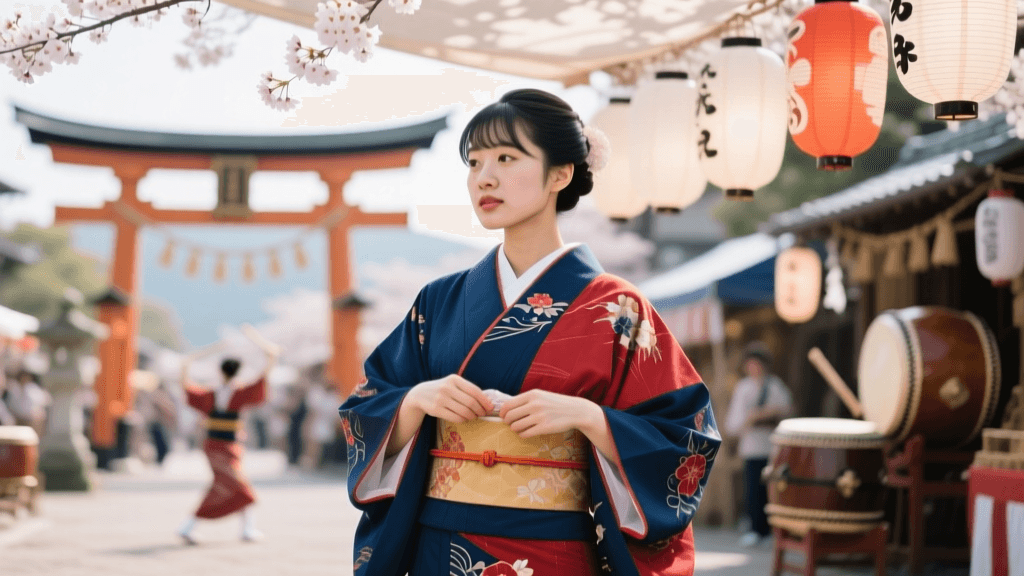
Japanese summer festivals, known as matsuri, are a sensory explosion of rhythmic taiko drumming, towering portable shrines (mikoshi), and vibrant street food. Yet, the true visual heartbeat of any matsuri lies in its performance and festival costumes. Unlike the highly formalized and restrictive garments of traditional tea ceremonies or weddings, festival wear is designed for movement, endurance, and communal identity. Whether you are preparing to carry a two-ton mikoshi through the streets of Tokyo, participating in a local Bon Odori folk dance, or simply attending as an enthusiastic spectator, understanding the nuances of Japanese festival costumes is essential. This guide explores the practical, historical, and sartorial elements of the happi coat and Bon Odori yukata, providing actionable advice on sizing, sourcing, and styling for your next festival experience.
The Happi Coat: Structure, Sizing, and Sourcing
The happi (法被) is arguably the most recognizable symbol of Japanese festival culture. Historically, the happi was worn by house servants and samurai retainers, bearing the crest of their lord or household. Today, it serves as the uniform for festival guilds (chōnaikai), taiko drummers, and shrine bearers. The traditional festival happi is typically dyed in deep indigo (aizome) with white kanji characters representing the local shrine, neighborhood, or festival slogan.
Actionable Sizing and Fit
Unlike Western jackets, the happi is cut in a straight, T-shaped silhouette with no darts or tailoring. To ensure a proper fit for performance, you must measure your yuki (the distance from the center of the back of your neck, across the shoulder, and down to the wrist). A standard adult happi has a yuki of about 75 to 80 centimeters. The length (mitake) usually falls between 80 and 90 centimeters, resting just above the knees to allow for deep squatting when lifting a mikoshi.
Sourcing and Costs
For authentic, heavy-weight cotton happi coats designed for rigorous physical performance, expect to pay between ¥8,000 and ¥15,000. These can be commissioned from specialized safuku (workwear) shops in neighborhoods like Asakusa in Tokyo or through traditional dye houses in Kyoto. For casual spectators or light dancing, polyester-blend happi coats are widely available at major retailers like Don Quijote or Aeon for ¥2,500 to ¥4,500. While polyester lacks the breathability and historical prestige of cotton, it is highly resistant to sweat stains and requires minimal maintenance.
Bon Odori Costumes: Dressing for the Dance
While the happi dominates the energetic shrine processions, the Bon Odori (盆踊り) folk dances of the Obon season require a different approach to festival wear. Bon Odori is a communal dance performed to welcome the spirits of the dead, and the costumes prioritize fluidity, grace, and cooling comfort in the sweltering August heat.
Choosing the Right Garment
Dancers typically wear a lightweight, unlined cotton yukata or a short-sleeved happi worn open over a fitted t-shirt. If opting for a full yukata, the fabric must be a highly breathable kōton or traditional chijimi (crepe) cotton to wick away sweat during continuous circular dancing.
Securing the Obi
The most critical technical aspect of a Bon Odori costume is the obi (sash). For performance, a standard formal silk obi is entirely inappropriate and dangerously restrictive. Instead, dancers use a heko obi (a soft, crinkled chiffon or cotton sash) or a pre-tied tsuke obi. The knot must be secure enough to withstand vigorous spinning but simple enough to allow for torso rotation. The kai no kuchi (clam shell) knot is the standard for men and women seeking a low-profile, secure tie, while the bunko musubi (butterfly knot) is popular for women desiring a more decorative silhouette.
Comparison Chart: Happi vs. Yukata for Festival Performance
| Feature | Happi Coat | Festival Yukata |
|---|---|---|
| Primary Use | Carrying mikoshi, taiko drumming, street vending | Bon Odori dancing, casual strolling, fireworks viewing |
| Fabric Weight | Heavy cotton canvas or light poly-blend | Lightweight, breathable cotton or chijimi crepe |
| Fastening | Tied at front with a simple cotton belt (obi) | Secured with datejime (under-sash) and decorative obi |
| Average Cost | ¥3,000 - ¥15,000 | ¥5,000 - ¥20,000 |
| Mobility | High (open front, wide sleeves) | Moderate (restricts stride length, requires careful tying) |
Essential Accessories: Tenugui, Hachimaki, and Footwear
No festival costume is complete without its supporting accessories, which serve both functional and aesthetic purposes in a performance setting.
- Tenugui and Hachimaki: The tenugui is a versatile, rectangular cotton towel (typically 35cm x 90cm) used to wipe sweat, wrap around the hands for better grip on mikoshi poles, or tie around the head. When folded and tied tightly around the forehead, it becomes a hachimaki, a headband that keeps hair out of the eyes and absorbs perspiration. For taiko drummers, a hachimaki is practically mandatory to prevent sweat from flying onto the drum skins.
- Footwear: Footwear dictates the rhythm of the festival. Tabi (split-toe socks) paired with jika-tabi (rubber-soled work boots) are the undisputed standard for mikoshi bearers, providing essential ankle support and grip on asphalt. For Bon Odori dancers, wooden geta (clogs) are traditional. The clacking sound of the wooden teeth striking the pavement actually serves as a percussive metronome for the dancers. When purchasing geta for dancing, ensure the wooden base is at least 12 centimeters long and the hanao (thong) is made of soft, broken-in cotton to prevent severe blistering during hours of continuous movement.
Practical Guide: Renting vs. Buying Festival Wear
Timing your purchase is crucial. In Japan, the "festival wear" retail season peaks in late June and early July. If you are visiting Japan to participate in a summer matsuri, allocate at least three days before the event to source your garments. Major tourist hubs like Kyoto and Tokyo offer excellent rental services for high-end yukata, but rental shops rarely stock authentic, heavy-duty happi coats or jika-tabi in larger foreign sizes.
For international buyers planning ahead, specialized online retailers and Japanese workwear exporters ship globally, though shipping times can take up to three weeks. According to the Japan National Tourism Organization, participating in local festivals is one of the most immersive ways to experience regional culture, and wearing the correct attire shows profound respect for the host community. Furthermore, understanding the regional variations—such as the distinct, vibrant happi styles of the Hakata Gion Yamakasa festival compared to the subdued indigo of Tokyo's Sanja Matsuri—adds a layer of cultural appreciation to your wardrobe.
As noted by cultural historians and documented on platforms like Japan Guide, the preservation of these textile traditions relies heavily on the continued participation of local youth and international enthusiasts in these seasonal rites. For a deeper dive into the socio-cultural impact of these gatherings, resources like Tofugu provide excellent context on how festival wear bridges the gap between the sacred and the communal, ensuring these vibrant performance traditions endure for generations to come.