Celebrity Kimono Trends: How to Style Modern Japanese Fashion
The Kimono Renaissance on the Global Stage
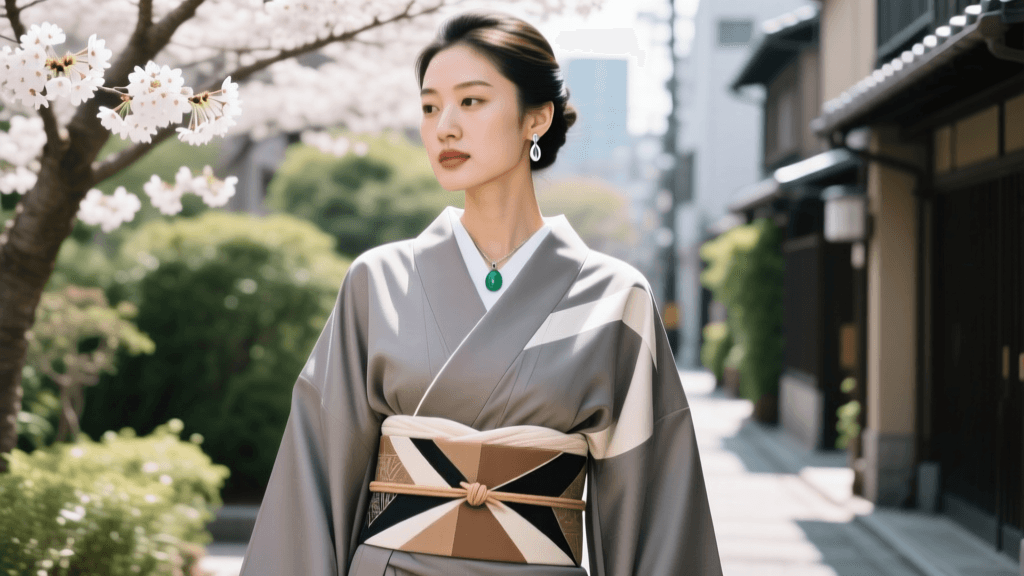
The traditional Japanese kimono has long been revered as a symbol of cultural heritage, artistic expression, and meticulous craftsmanship. However, in recent years, a seismic shift has occurred within the global fashion landscape. Driven by international celebrities, avant-garde designers, and digital influencers, the kimono has transcended its ceremonial boundaries to become a staple of modern, trend-driven streetwear and high fashion. No longer confined to tea ceremonies or coming-of-age ceremonies, the kimono is being reimagined on the streets of Harajuku, the runways of Paris, and the Instagram feeds of global tastemakers. According to the Victoria and Albert Museum, the kimono's evolution from a traditional garment to a global fashion icon highlights its dynamic versatility and enduring appeal in the contemporary wardrobe.
The Streetwear Fusion: Sneakers, Denim, and Asymmetry
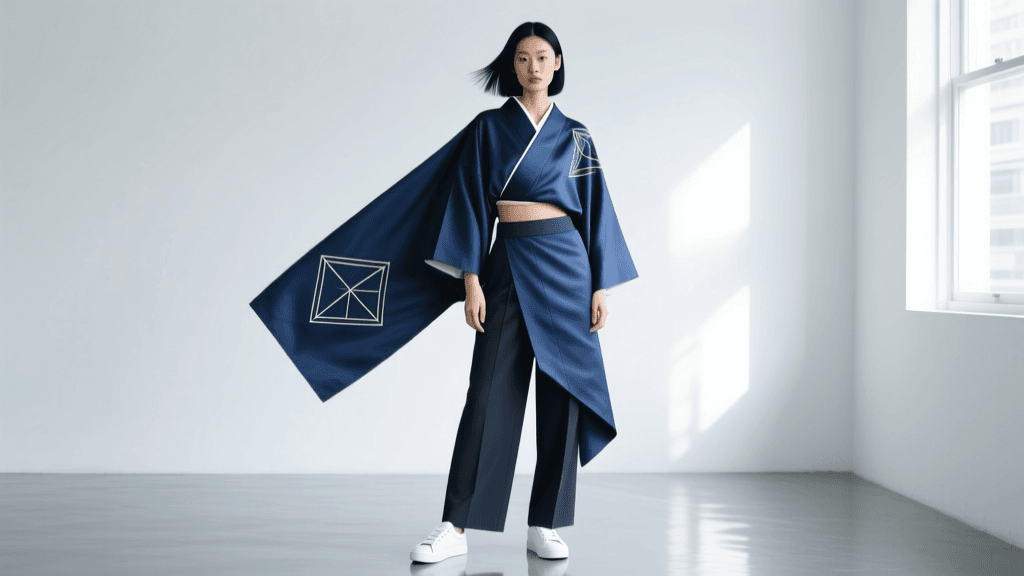
One of the most prominent trends championed by influencers is the fusion of traditional silk garments with rugged streetwear elements. Celebrities and fashion bloggers are increasingly pairing vintage komon (everyday patterned kimonos) with chunky sneakers, combat boots, and oversized denim jackets. The key to this look lies in the deliberate manipulation of the garment's silhouette. Traditionally, a kimono is worn with an ohashori (a fold at the waist to adjust the length). Modern influencers often exaggerate this fold or, conversely, wear the kimono slightly shorter, allowing the ankles to be exposed and showcasing statement footwear like Balenciaga Track sneakers or Dr. Martens.
Furthermore, denim kimonos have surged in popularity. Designers like Jotaro Saito have pioneered the use of Japanese denim and synthetic blends, creating washable, durable kimonos that retail between ¥100,000 and ¥300,000. These pieces are perfect for urban environments, offering the elegance of the kimono silhouette with the practical resilience of streetwear.
The Corset Obi: Redefining the Waistline
The obi (the sash used to secure the kimono) is traditionally tied in complex knots like the taiko musubi (drum knot) or bunko musubi (bow knot), often requiring specialized padding and cords. Influencers, however, have introduced a radical alternative: the corset obi. By replacing the traditional silk sash with a structured leather or satin corset belt, fashion enthusiasts create a striking, avant-garde waistline that merges Victorian silhouettes with Japanese tradition. This trend was heavily popularized during global fashion weeks and has been documented in exhibitions like the Metropolitan Museum of Art's Kimono Style showcase, which explores how the garment has continuously adapted to global fashion currents.
To replicate this look, opt for a wide, underbust leather corset in black or burgundy. Pair it with a solid-color tsumugi (pongee silk) kimono to let the texture of the leather stand out. This styling hack not only saves time but also provides a customizable, adjustable fit that traditional obi tying requires years of practice to master.
Layering: Turtlenecks, Mesh, and Haori Jackets
Layering is another cornerstone of the influencer kimono trend. While traditional rules dictate specific undergarments (juban), modern stylists layer kimonos and haori (kimono jackets) over contemporary basics. A popular autumn and winter trend involves wearing a fine-knit merino wool turtleneck or a sheer mesh top beneath a sleeveless kimono vest or a lightweight silk kimono.
The haori, in particular, has become a favorite outerwear piece among celebrities. Worn open like a duster coat over a plain white t-shirt, tailored trousers, and loafers, the haori adds a dramatic, flowing layer to a minimalist outfit. Vintage haori from the Showa era, often featuring intricate yuzen dyeing and gold leaf accents, can be sourced from Tokyo vintage shops for as little as ¥8,000 to ¥25,000, making it an accessible entry point for those looking to adopt the influencer aesthetic without the investment of a full kimono ensemble.
Traditional vs. Influencer Styling Comparison
| Feature | Traditional Styling | Influencer / Celebrity Styling |
|---|---|---|
| Footwear | Zori or Geta sandals with Tabi socks | Chunky sneakers, combat boots, or stilettos |
| Waist Securing (Obi) | Silk Maru or Fukuro Obi with complex knots | Leather corset belts, chain harnesses, or casual scarves |
| Undergarments | Traditional Nagajuban and Hadajuban | Turtlenecks, crop tops, or mesh long-sleeves |
| Outerwear | Haori or Michiyuki (kimono coat) | Oversized denim jackets, leather trench coats, or blazers |
| Hemline (Ohshori) | Strictly measured to touch the ankle bone | Asymmetrical, high-low, or cropped above the calf |
Where to Shop: Influencer-Approved Brands and Costs
To achieve these trend-driven looks, knowing where to source the right garments is crucial. Influencers frequently bypass formal, high-end ceremonial boutiques in favor of specialized modern designers and curated vintage stores.
- Jotaro Saito: Known for his punk-inspired, avant-garde kimono designs, Saito's pieces are frequently seen on international runways and celebrity editorials. His denim and synthetic kimonos are machine-washable, addressing a major pain point of traditional silk care. Expect to invest between $1,500 and $3,500 for a complete ensemble.
- Wataru Tominaga: A designer who seamlessly blends pop-art aesthetics with traditional silhouettes, Tominaga's work has been featured in BBC Culture and global fashion magazines. His pieces often feature bold, graphic prints that appeal to a younger, streetwear-oriented demographic.
- Chicago Vintage (Harajuku/Shimokitazawa): For budget-conscious fashionistas, vintage stores like Chicago offer an unparalleled selection of pre-loved kimonos and haori. A vintage silk kimono can be purchased for ¥5,000 to ¥15,000 ($35 to $100). Influencers often buy these pieces and upcycle them, cutting the hems or adding modern embroidery to create one-of-a-kind streetwear items.
Actionable Guide: Building Your Modern Kimono Wardrobe
Building a modern, influencer-inspired kimono wardrobe requires a strategic approach. Start with a versatile foundation and gradually introduce statement pieces.
- Acquire a Neutral Base: Purchase a solid-colored, matte-finish kimono (such as a deep navy, charcoal, or olive tsumugi). These colors mimic the palette of modern streetwear and serve as a blank canvas for bold accessories.
- Invest in Modern Footwear: Ditch the traditional tabi socks and invest in a pair of high-quality, minimalist leather boots or pristine, chunky white sneakers. The contrast between the delicate silk and the rugged footwear is the hallmark of the influencer look.
- Master the Corset Belt: Purchase a wide, underbust corset belt. Practice wrapping the kimono tightly around your body, securing it with a simple tie or hidden clips, and then cinching the waist with the corset. This creates an hourglass silhouette that photographs exceptionally well for social media.
- Experiment with Proportions: Do not be afraid to alter the garment. Many influencers use fabric tape to create temporary high-low hemlines or pin the sleeves back to showcase layered bracelets and watches. If you are committed to the look, consult a tailor to permanently shorten the kimono to a midi-dress length, transforming it into a year-round staple piece.
Conclusion
The intersection of celebrity influence and traditional Japanese fashion has breathed new life into the kimono, proving that heritage garments are not static relics but living, evolving forms of expression. By embracing streetwear fusion, unconventional obi styling, and modern layering techniques, fashion enthusiasts worldwide can pay homage to Japanese craftsmanship while asserting their own contemporary style. Whether you are sourcing a vintage haori in Tokyo or investing in a designer denim kimono, the modern kimono movement invites you to break the rules, redefine the silhouette, and wear history on your own terms.