Exploring China's Top Hanfu Museums and Heritage Sites
The Renaissance of Traditional Garments in Institutional Spaces
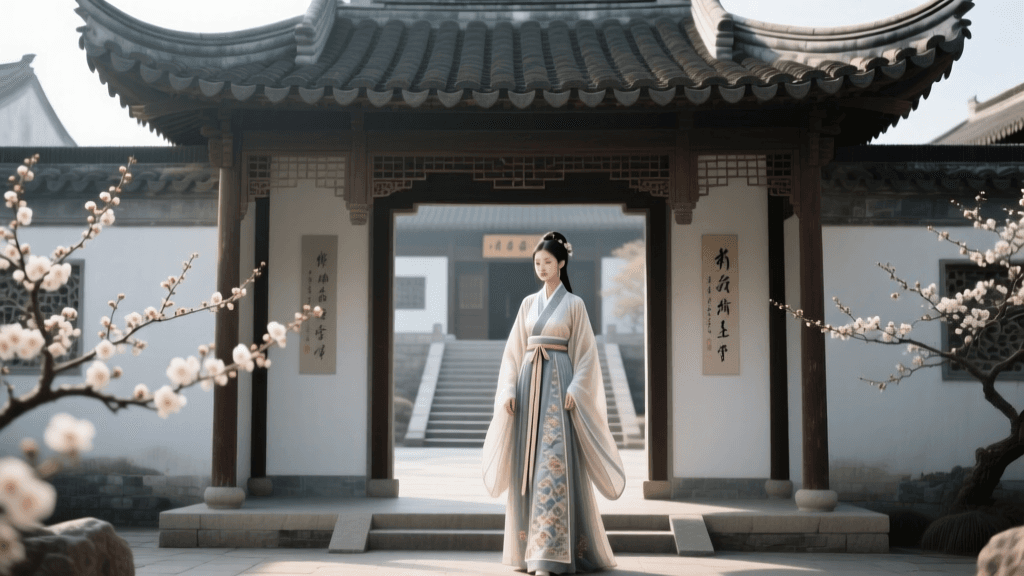
The global resurgence of traditional Chinese clothing, commonly known as the Hanfu movement, has transformed how historical garments are preserved, studied, and celebrated. No longer confined to academic archives or dusty storage rooms, traditional textiles and structural layering techniques are now the centerpieces of world-class museums and immersive heritage sites across China. For enthusiasts of Asian traditions, visiting these institutions offers a profound look into the foundational, artistic, and institutional aspects of historical Chinese fashion. From the intricate structural layering of undergarments to the seasonal fabric choices dictated by China's diverse climates, these museums provide a tangible connection to the past.
Whether you are a textile historian, a fashion design student, or a cultural traveler, navigating these heritage sites requires an understanding of what to look for and how to plan your visit. This guide explores the premier Hanfu and silk heritage museums in China, offering actionable advice, historical context, and practical tips for experiencing the evolution of traditional garments from ancient markets to modern cultural exhibitions.
China National Silk Museum: The Epicenter of Textile History
Located in the scenic city of Hangzhou, the China National Silk Museum (CNSM) is the largest silk museum in the world and a vital institution for the preservation of Chinese textile heritage. Hangzhou has been the heart of China's silk production for over a millennium, and the museum sits near the famous West Lake, surrounded by the very mulberry groves and weaving workshops that historically supplied the imperial courts.
Exhibitions and Artifact Highlights
The CNSM houses an extraordinary collection of historical garments, focusing heavily on the evolution of silk weaving, dyeing, and embroidery. One of the most captivating aspects of the museum is its dedication to the structural layering of Hanfu. Visitors can observe the transition from the simple, unlined summer gauze robes of the Han Dynasty to the heavily padded, multi-layered winter garments of the Ming Dynasty. The museum frequently displays replicas of the legendary Mawangdui Han Dynasty tomb artifacts, including the ultra-lightweight plain gauze gowns that weigh less than 50 grams, showcasing the pinnacle of ancient sericulture and weaving technology. According to the Metropolitan Museum of Art's Heilbrunn Timeline of Art History, the mastery of silk production was one of China's most closely guarded and culturally significant technological achievements, a legacy perfectly encapsulated within these halls.
Practical Visitor Information
- Location: Yuhuangshan Road, Xihu District, Hangzhou, Zhejiang Province.
- Admission Cost: Free. However, advance booking is mandatory.
- Booking Strategy: Reservations must be made via the official WeChat mini-program at least three days in advance. During peak seasons (like the National Day Golden Week in October), slots disappear within minutes of opening.
- Best Time to Visit: Early April. The weather is mild, and the museum often hosts special spring exhibitions focusing on seasonal silk gauze and linen weaving techniques.
Nanjing Yunjin Museum: Weaving the Clouds of Emperors
While Hangzhou is famous for general silk production, Nanjing is the undisputed capital of Yunjin, or 'cloud brocade.' This luxurious fabric was historically reserved exclusively for the imperial family due to its complex weaving process and the incorporation of gold, silver, and peacock feather threads. The Nanjing Yunjin Museum is not just a repository of old clothes; it is a living workshop where intangible heritage crafts and artisans continue to practice ancient techniques.
The Intangible Heritage Experience
The centerpiece of the museum is the operational wooden drawloom. Weaving Yunjin requires two artisans working in tandem: one sitting atop the massive loom to manipulate the warp threads according to a complex mnemonic code, and another below to pass the shuttle and weave the weft threads. This painstaking process yields only about five centimeters of fabric per day. The UNESCO Intangible Cultural Heritage registry officially recognizes the Nanjing Yunjin brocade weaving technique, highlighting its importance in preserving the structural integrity and artistic motifs of Ming and Qing dynasty imperial Hanfu. Observing the artisans at work provides invaluable insight into why historical brocade garments were considered symbols of immense wealth and political power.
Planning Your Visit
- Location: Chating East Street, Jianye District, Nanjing, Jiangsu Province.
- Admission Cost: Approximately 30 RMB (subject to seasonal adjustments).
- Actionable Tip: Visit the museum's gift shop on the ground floor. Unlike generic tourist traps, the museum shop sells authentic, small-scale Yunjin accessories, such as brocade pouches and bookmark tassels, crafted by the resident artisans. These make excellent, culturally significant souvenirs.
- Photography Rules: Flash photography is strictly prohibited to protect the delicate dyes of the historical garments on display. Tripods are also banned to maintain walkway clearance.
Living Heritage: Xi'an's Datang Everbright City
Museums preserve the physical artifacts of the past, but living heritage sites breathe life into them. Datang Everbright City in Xi'an is a massive, immersive cultural complex modeled after the Tang Dynasty capital of Chang'an. While not a traditional museum, it is arguably the most important contemporary site for the public exhibition and normalization of Hanfu, specifically the Tang Dynasty Qixiong Ruqun (chest-high skirt) and Yuanlingpao (round-collar robe).
Immersive Tang Dynasty Hanfu
At Datang Everbright City, the boundary between exhibit and observer dissolves. Thousands of visitors and staff don historically accurate Hanfu, complete with period-accurate makeup, floral hairpins, and structured undergarments that give the skirts their signature bell shape. The site demonstrates how seasonal fabric choices were adapted for modern wearability; visitors can rent lightweight linen and cotton blends in the sweltering summer, and thick, fleece-lined brocade cloaks (doupeng) during the freezing Shaanxi winters.
Rental and Photography Guide
- Rental Costs: A full Hanfu rental package, including garment, accessories, hair styling, and basic makeup, typically ranges from 199 RMB to 399 RMB for a 4-hour window.
- Sizing and Measurements: Traditional wrap skirts are largely one-size-fits-all, accommodating waist measurements from 60cm to 90cm via adjustable ties. However, the daxiushan (wide-sleeve outer robe) requires attention to shoulder width. When renting, ask the stylist to measure your shoulder span to ensure the structural layering drapes correctly without slipping off the collarbone.
- Timing for Photography: Arrive at 4:00 PM. This allows you to get ready while the natural light is still present for outdoor architectural shots, and positions you perfectly to capture the iconic lantern-lit night parades that begin at dusk.
Comparative Guide to Hanfu and Textile Heritage Sites
To help you plan a comprehensive cultural itinerary, below is a structured comparison of the premier sites dedicated to traditional Chinese garments and textiles.
| Heritage Site | Location | Primary Focus | Admission Cost | Best Season to Visit |
|---|---|---|---|---|
| China National Silk Museum | Hangzhou | Silk weaving, historical replicas, structural layering | Free (Reservation required) | Spring (March-May) |
| Nanjing Yunjin Museum | Nanjing | Imperial cloud brocade, intangible heritage looms | ~30 RMB | Autumn (September-November) |
| Datang Everbright City | Xi'an | Tang Dynasty immersive Hanfu, living heritage | Free (Rentals extra) | Winter (for cloaks) or Spring |
| Suzhou Silk Museum | Suzhou | Song brocade, Kesi silk tapestry, regional weaving | ~20 RMB | Autumn (September-November) |
Museum Etiquette and Cultural Respect
When visiting these institutions, it is crucial to observe formal etiquette and respect the preservation efforts of the curators. Traditional textiles, particularly those made from organic fibers like silk, linen, and hemp, are highly susceptible to environmental degradation.
Never touch the historical garments on display. The natural oils and salts on human skin can cause irreversible staining and accelerate the deterioration of ancient silk fibers. Maintain a distance of at least one meter from open exhibits.
Furthermore, if you choose to wear Hanfu while visiting these museums, adhere to formal Hanfu etiquette and greeting protocols. Avoid dragging long, un-hemmed skirts across the floors of heritage sites, and be mindful of your wide sleeves near delicate display cases. Representing the culture accurately and respectfully enhances the experience for all visitors and honors the artisans who created these masterpieces.
Conclusion
The preservation of Asian traditions relies heavily on the institutional dedication of museums and the passionate engagement of living heritage sites. From the quiet, climate-controlled halls of the China National Silk Museum to the vibrant, lantern-lit streets of Datang Everbright City, the story of traditional Chinese clothing is being told with unprecedented clarity and scale. As noted in the documentation of UNESCO's recognition of Chinese sericulture, the craftsmanship behind these garments represents a profound intersection of art, science, and cultural identity. By visiting these sites, travelers and scholars alike can witness the enduring legacy of Hanfu, ensuring that the structural brilliance and artistic beauty of traditional Asian garments continue to inspire future generations.