Mastering Kimono Seasonal Wear and Dressing Techniques
The Philosophy of Seasons in Japanese Dress
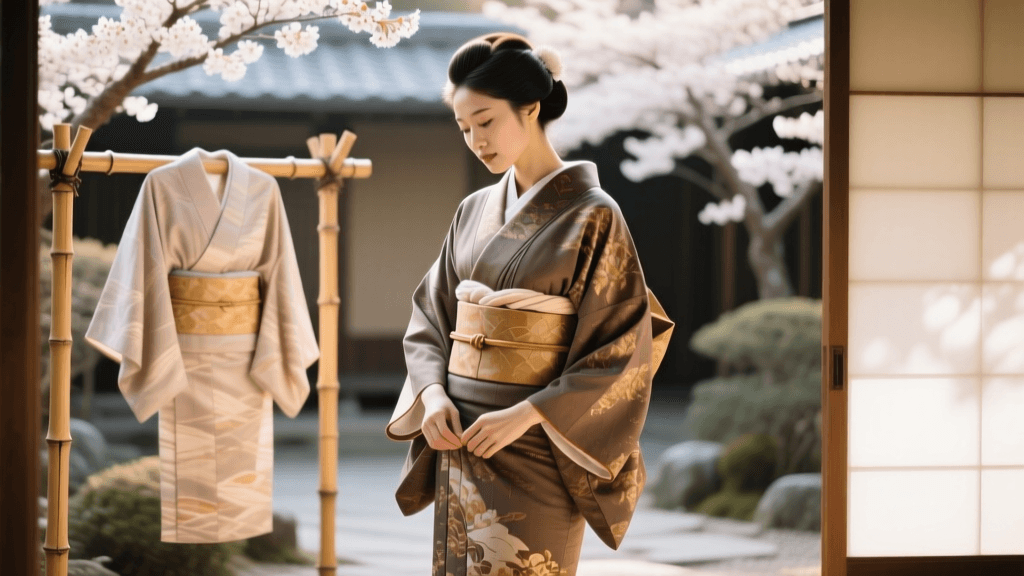
Japanese traditional clothing is deeply intertwined with the natural world, operating on a strict sartorial calendar known as kisetsukan (seasonal feeling). Unlike Western fashion, which often reacts to current weather, traditional Japanese dress anticipates the seasons. According to the Victoria and Albert Museum, the evolution of the kimono has always been tied to nature, with motifs, fabrics, and layering techniques shifting to reflect the subtle transitions of the Japanese archipelago. To wear a kimono correctly is to demonstrate an understanding of time, nature, and cultural etiquette.
For modern practitioners and enthusiasts, mastering seasonal wear requires knowing when to transition between lined and unlined garments, how to select appropriate sheer fabrics for high summer, and how to adjust your dressing technique (kitsuke) to accommodate varying layers and bulk. This guide provides actionable advice on seasonal kimono selection, precise measurements, and step-by-step dressing techniques.
Seasonal Kimono Types: A Comprehensive Guide
The traditional Japanese calendar dictates specific windows for different kimono constructions. While modern climate control has relaxed some rules, formal occasions still strictly adhere to these timelines.
| Season | Traditional Timing | Kimono Type | Fabric & Weave | Lining |
|---|---|---|---|---|
| Winter / Spring | Oct 1 – May 31 | Awase (Lined) | Silk (Tsumugi, Chirimen), Wool | Full silk or synthetic lining |
| Early Summer / Fall | June 1 – June 30 Sept 1 – Sept 30 | Hitoe (Unlined) | Silk, Linen, Cotton, Jofu | No lining |
| High Summer | July 1 – Aug 31 | Usugumo / Ro / Sha | Sheer silk gauze, Leno weave | No lining (sheer undergarments) |
Winter and Spring: The Awase (Lined Kimono)
The awase is the most versatile and commonly owned kimono, worn for eight months of the year. It features a full inner lining that provides structure and warmth. When dressing in an awase during the colder months of January and February, layering is essential. A standard winter foundation includes a hadajuban (undershirt) and susoyoke (half-slip), topped with a nagajuban (full-length under-kimono). The nagajuban protects the delicate silk of the awase from body oils and sweat while providing a contrasting pop of color at the collar (han-eri).
High Summer: Ro, Sha, and Hitoe
As humidity rises in July and August, wearing lined silk becomes unbearable. This is the season for ro (leno weave with horizontal sheer stripes) and sha (plain gauze weave). As noted by The Metropolitan Museum of Art, the mastery of sheer textiles represents a pinnacle of Japanese weaving, allowing the wearer to project a visual sense of coolness (suzushisa). When wearing sheer summer kimono, the undergarments must also be sheer or made of lightweight linen to maintain the illusion of transparency. Cotton yukata are also worn during this time, but they are considered casual wear, appropriate for festivals rather than formal tea ceremonies.
Essential Dressing Techniques (Kitsuke) for Every Season
Dressing in a kimono, known as kitsuke, requires specific tools and techniques that vary slightly depending on the season and the bulk of the fabric. The Japan National Tourism Organization emphasizes that proper kitsuke is an art form that shapes the body into a graceful, cylindrical silhouette, minimizing curves to allow the garment's patterns to drape flatly.
Step 1: Foundation and Padding
Before putting on the kimono, you must prepare your silhouette. In winter, the bulk of the awase and nagajuban naturally fills out the waist. In summer, when wearing a thin hitoe or ro, you will need to use kimono pads (towels wrapped in cloth) tied around the waist with a date-jime (wide under-sash) to create a cylindrical shape. This prevents the thin summer fabrics from clinging to the body and ensures the obi sits flat.
Step 2: The Art of the O-Midare (Collar Adjustment)
The collar (eri) is the focal point of the kimono. For women, the front collar should form a deep, precise 'V' shape, revealing about 5 to 7 centimeters of the nagajuban collar beneath it. The back of the collar must be pulled down to expose the nape of the neck—a deeply traditional aesthetic known as eri-nuki. To achieve this, use a specialized tool called an eri-shin (collar stay) inserted into the back of the nagajuban collar to keep it rigid and perfectly curved throughout the day.
Step 3: Securing the Ohashori (Waist Fold)
Women's kimono are cut longer than the wearer's height to create the ohashori, a visible horizontal fold at the waist. This fold allows for length adjustment and is a hallmark of proper kitsuke. To secure it, tie a koshi-himo (thin cotton tie) tightly around the waist. Smooth out the excess fabric evenly around the torso, ensuring the side seams align perfectly with the edges of your body. In summer, keep the ohashori slightly thinner and tighter to reduce bulk and heat retention under the obi.
Practical Guide: Measurements, Timing, and Costs
Whether you are purchasing a vintage piece, renting, or commissioning a custom garment, understanding measurements and market costs is crucial for building a seasonal wardrobe.
How to Measure for a Kimono
Unlike Western clothing, kimono are sold based on specific body metrics. Use a measuring tape to determine your ideal dimensions:
- Mitake (Body Length): Subtract 30 cm from your total height. For example, if you are 160 cm tall, your ideal kimono length is 130 cm. This allows for the ohashori waist fold.
- Yuki (Sleeve Length): Measure from the center back of your neck, across the shoulder, and down to the wrist bone. A standard modern yuki is around 64-66 cm.
- Sode-guchi (Sleeve Opening): For formal winter awase, the sleeve opening is wider (approx. 23 cm) to accommodate thick nagajuban sleeves. For summer hitoe, it is narrower (approx. 20 cm) to prevent the undergarment from showing.
Cost Breakdown and Purchasing Advice
Building a seasonal kimono wardrobe requires strategic budgeting. Here is what you can expect to pay in the current market (prices in Japanese Yen, JPY):
- Recycled/Vintage Silk Awase: ¥3,000 – ¥15,000. (Best for winter/spring; check for fabric weakness at the shoulders).
- New Custom Ro or Sha Summer Kimono: ¥80,000 – ¥250,000. (Sheer silks require specialized weaving, making them highly expensive).
- Cotton Yukata (High Summer): ¥5,000 – ¥20,000. (Machine-washable and ideal for beginners practicing summer kitsuke).
- Professional Dressing Service (Salon): ¥4,000 – ¥8,000 per session. (Highly recommended for formal winter events where heavy layering and complex obi knots are required).
Conclusion
Mastering the seasonal wear and dressing techniques of the Japanese kimono is a lifelong pursuit of aesthetics, discipline, and cultural appreciation. By understanding the transition from the structured warmth of the winter awase to the ethereal, breathable elegance of the summer ro, you align yourself with centuries of Japanese sartorial philosophy. Whether you are carefully calculating your mitake measurements for a vintage purchase or perfecting the tension of your koshi-himo on a sweltering July morning, the art of kitsuke ensures that the kimono remains a living, breathing tradition in the modern world.