Guide To Hanfu Conventions, Meetups And Community Events
The Rise of the Global Hanfu Movement
The revival of traditional Chinese clothing, widely known as the Hanfu movement, has transformed from a niche internet discussion into a vibrant, global cultural phenomenon. What began in the early 2000s with a few dedicated enthusiasts advocating for the recognition of Han ethnic dress has blossomed into a multi-billion dollar industry and a deeply connected community. Today, Hanfu is not merely a costume; it is a living, breathing expression of cultural identity, historical appreciation, and artistic craftsmanship. According to cultural historians tracking the Hanfu movement, the proliferation of social media platforms like Douyin and Xiaohongshu has accelerated this revival, allowing enthusiasts to organize massive offline gatherings, conventions, and local meetups.
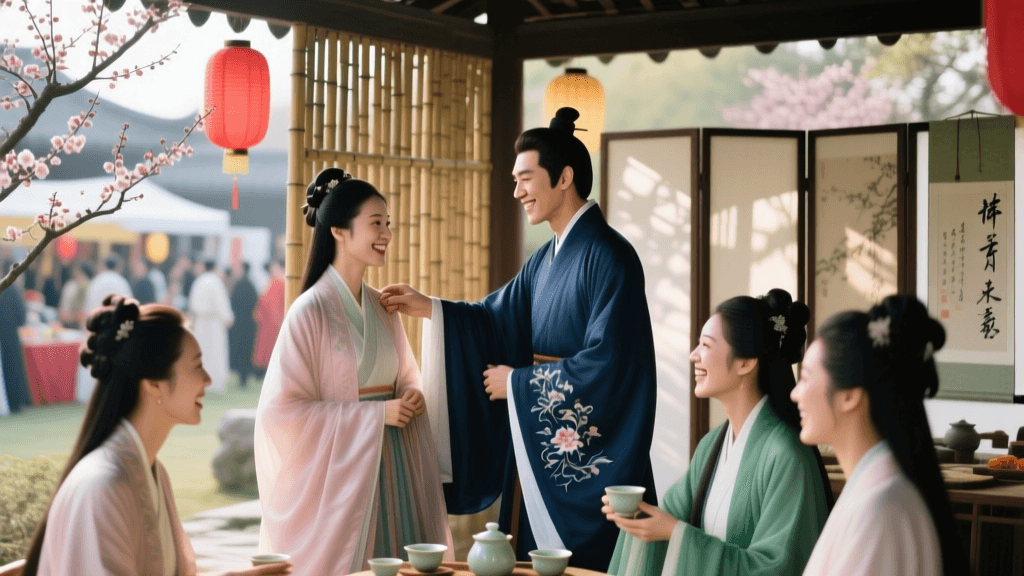
For newcomers and seasoned wearers alike, participating in Hanfu community events offers an unparalleled opportunity to immerse oneself in traditional arts, from archery and tea ceremonies to classical dance and ancient music. This guide will walk you through the most prominent Hanfu conventions, how to find local meetups, and the essential etiquette required to navigate these beautiful gatherings.
Major Hanfu Conventions and Festivals
While local meetups happen weekly in major cities, several massive annual conventions serve as the pinnacle of the Hanfu calendar. These events draw tens of thousands of attendees, featuring parades, vendor markets, and academic symposiums on historical textiles.
Xitang Hanfu Culture Week
Held annually in the picturesque Xitang Water Town in Zhejiang Province, the Xitang Hanfu Culture Week is arguably the most famous Hanfu-specific event in the world. The ancient stone bridges, winding canals, and Ming-dynasty architecture provide a breathtaking backdrop for over 100,000 attendees. The week-long festival includes grand opening parades, traditional archery competitions, lantern-lit night walks, and a massive marketplace where independent artisans sell everything from hand-woven silk to custom-forged hairpins. It is a must-visit destination for anyone serious about traditional Chinese garments.
Hua Chao Festival (Flower Festival)
Celebrated on the second day of the second lunar month (usually falling in March), the Hua Chao Festival honors the birthday of the Flower Goddess. While historically a traditional holiday, it has been overwhelmingly adopted by the modern Hanfu community as a premier spring outing event. Parks and botanical gardens across cities like Chengdu, Hangzhou, and Guangzhou host massive Hua Chao meetups. Attendees typically wear lighter, pastel-colored Song or Tang dynasty garments, participate in flower-appreciation poetry readings, and engage in traditional swing-riding and picnicking.
Comic Conventions and ACG Expos
Interestingly, some of the largest Hanfu gatherings occur not at historical sites, but at modern Anime, Comic, and Games (ACG) conventions. Events like ChinaJoy in Shanghai or the Guangzhou Comic Con feature dedicated Hanfu pavilions. Here, the boundary between historical accuracy and creative, fantasy-inspired 'Xianxia' (immortal hero) styling blurs, offering a more relaxed, highly creative environment for younger enthusiasts.
Comparing Major Hanfu Events
Choosing the right event depends on your budget, travel capabilities, and what you want to get out of the experience. Below is a comparison of the most prominent types of Hanfu gatherings.
| Event Type | Prime Locations | Typical Timing | Estimated Cost (Entry) | Primary Focus & Vibe |
|---|---|---|---|---|
| Xitang Hanfu Week | Xitang, Zhejiang | Late October / Early November | 95 - 150 RMB ($15 - $25 USD) | Immersive history, grand parades, artisan markets, highly photogenic. |
| Hua Chao Festival | Botanical Gardens Nationwide | March (2nd Lunar Month) | Park Entry (20 - 60 RMB) | Spring outings, floral aesthetics, poetry, casual and family-friendly. |
| ACG / Comic Cons | Shanghai, Guangzhou, Chengdu | Summer & Winter Holidays | 120 - 200 RMB ($20 - $30 USD) | Creative styling, Xianxia fantasy, cosplay crossover, energetic. |
| Local Tongpao Meetups | City Parks, Tea Houses | Year-round (Weekends) | Free to Tea House minimum | Networking, garment trading, casual socializing, skill-sharing. |
How to Find and Join Local Hanfu Meetups
You do not need to travel to a mega-festival to experience the community. Local meetups, often organized by university clubs or city-wide Hanfu associations, happen every weekend in major metropolitan areas, both in Asia and in Western diaspora hubs like New York, London, and Sydney.
Navigating Chinese Social Media
To find events in China or connect with local Chinese diaspora groups, you must utilize the right platforms and keywords. Xiaohongshu (Little Red Book) is the premier search engine for Hanfu styling and event recaps. WeChat is where the actual organizing happens. Search Xiaohongshu using your city name alongside the following keywords:
- 汉服同袍 (Hanfu Tongpao): Literally 'same robe,' this is the term community members use for one another.
- 汉服活动 (Hanfu Huodong): Hanfu activities or events.
- 汉服出行 (Hanfu Chuxing): Hanfu outings or street-wear meetups.
- 汉服雅集 (Hanfu Yaji): Elegant gatherings, usually involving tea, calligraphy, and the guqin (zither).
International and Diaspora Groups
If you are outside of Asia, platforms like Meetup.com, Facebook Groups, and university cultural association pages are your best resources. Search for 'Traditional Chinese Culture Club' or 'Hanfu Society' at local universities. Many international groups organize highly visible public events during the Lunar New Year, the Mid-Autumn Festival, and the Duanwu (Dragon Boat) Festival.
Preparing for Your First Hanfu Event
Attending a convention or meetup requires more preparation than a standard modern clothing outing. From selecting the right historical silhouette to budgeting for accessories, here is how to prepare.
Selecting the Right Garment for the Occasion
Matching your garment to the event's theme and the weather is crucial for both comfort and community respect.
- Ming Dynasty (Aoqun & Mamianqun): Characterized by structured jackets, pleated skirts, and high collars. Ideal for winter events, formal ceremonies, and evening banquets. The heavy brocades and velvets provide warmth and a regal silhouette.
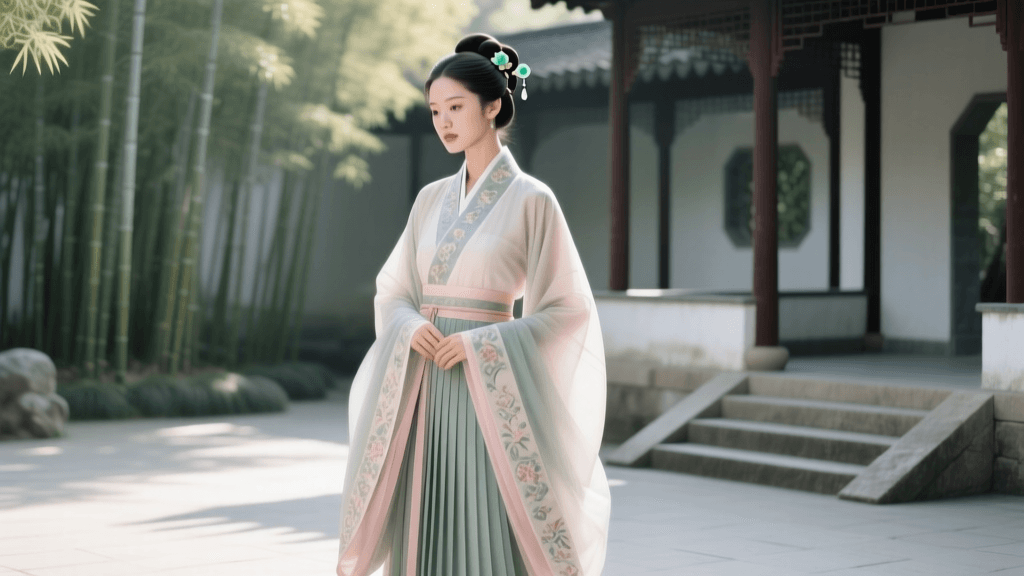
- Song Dynasty (Beizi & Baizhequn): Featuring slender, elegant lines, long open-front coats (Beizi), and pleated skirts. Perfect for summer Hua Chao festivals, tea ceremonies, and scholarly gatherings due to its lightweight, breathable fabrics.
- Tang Dynasty (Qixiong Shanqun): Known for high-waisted skirts, wide sleeves, and vibrant, daring colors. Best suited for grand parades, stage performances, and festive, high-energy environments.
Budgeting for the Complete Look
A common mistake beginners make is spending their entire budget on the main garment and neglecting the accessories, which can make the outfit look incomplete. Here is a realistic budget breakdown for a mid-tier event look:
- Main Garment Set (Jacket & Skirt): 300 - 800 RMB ($45 - $120 USD) from reputable Taobao brands like Shisan Yu or Minghuatang (for higher-end).
- Inner Garments & Slips: 50 - 150 RMB ($10 - $25 USD). Essential for modesty and silhouette shaping.
- Footwear: 100 - 300 RMB ($15 - $45 USD) for traditional cloud-toe shoes or embroidered flats.
- Hair Accessories: 50 - 200 RMB ($10 - $30 USD) for velvet flowers (Ronghua), jade hairpins, and pearl strings.
- Total Estimated Budget: 500 - 1450 RMB ($75 - $220 USD).
Community Etiquette and Guidelines
The Hanfu community is generally incredibly welcoming, but like any subculture, it has its own set of unwritten rules and etiquette guidelines. Understanding these will ensure you have a respectful and joyful experience.
The Concept of 'Tongpao'
'Tongpao' (同袍) translates to 'sharing the same robe.' It originates from an ancient poem about soldiers sharing clothing and resources in battle. Today, it signifies a deep bond of mutual respect, shared passion, and camaraderie among Hanfu enthusiasts.
When you meet someone at an event, addressing them as Tongpao instantly establishes a friendly, egalitarian connection, regardless of age or social status.
Photography and Consent
Hanfu conventions are highly photogenic, and street photography is a major component of the culture. However, consent is paramount. Always ask for permission before taking close-up portraits of fellow attendees. If someone is adjusting their hair, eating, or resting, it is polite to look away and give them privacy. Conversely, if you are wearing an elaborate outfit, be prepared for people to ask for photos; a simple smile and a graceful pose are the standard, polite responses.
Navigating Historical Accuracy Debates
The community contains a spectrum of enthusiasts, from 'historical purists' who study archaeological textile reports to 'fantasy stylists' who mix dynasties and incorporate modern anime aesthetics. While some online spaces can be fiercely critical of historical inaccuracies (a phenomenon sometimes jokingly called the 'Hanfu Police'), offline events are overwhelmingly celebratory and inclusive. If you are unsure about your outfit's historical accuracy, simply be open to learning. Many senior Tongpao are thrilled to share their knowledge about textile weaving, dynasty-specific tailoring, and proper garment layering if you show a genuine interest in the history.
Conclusion
Attending a Hanfu convention or local meetup is about far more than just wearing beautiful clothes; it is an active participation in a living cultural renaissance. Whether you are walking the ancient stone paths of Xitang, sharing a cup of Longjing tea at a local Yaji, or simply connecting with fellow Tongpao in a city park, these events offer a profound sense of belonging. By preparing thoughtfully, respecting community etiquette, and embracing the rich history behind the garments, you will find that the Hanfu community is ready to welcome you with open arms.