Modern Qipao Fusion: Styling the Cheongsam for Daily Wear
The Renaissance of the Cheongsam in Streetwear
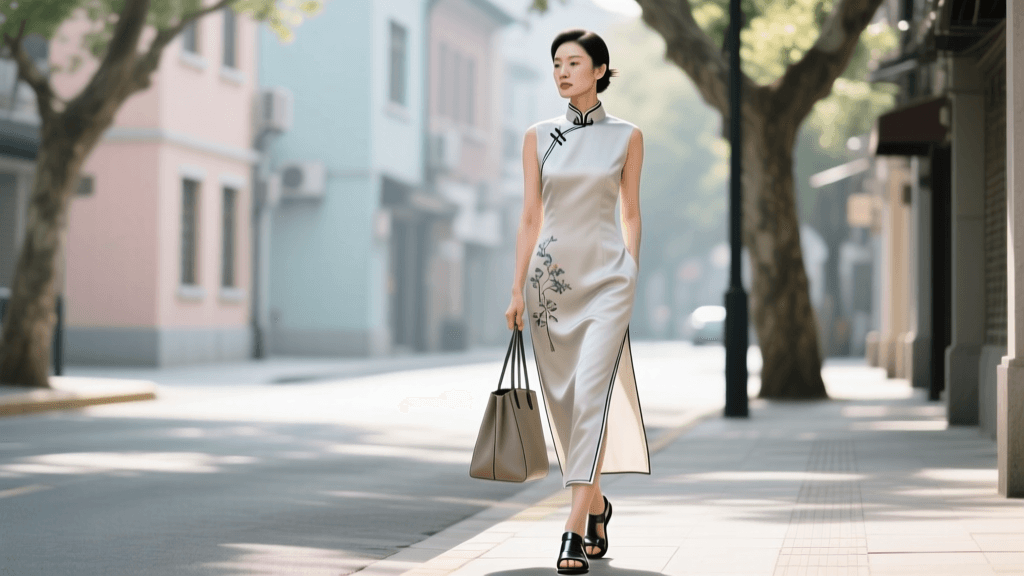
The traditional Chinese qipao, also widely known as the cheongsam, has long been relegated to the realms of formal wear, wedding banquets, and Lunar New Year celebrations. However, a seismic shift is currently underway in the global fashion landscape. Spearheaded by Gen Z consumers, independent designers, and the broader 'Xin Zhong Shi' (New Chinese Style) movement, the qipao is being reclaimed as a staple of everyday streetwear. This modern adaptation is not about diluting heritage; rather, it is about breathing new life into a historic garment, making it functional, expressive, and relevant for the contemporary wardrobe.
According to the Victoria and Albert Museum, the qipao's very origins are deeply rooted in fusion. Emerging in 1920s Shanghai, the garment evolved from the loose, flowing robes of the Manchu people into a form-fitting silhouette that incorporated Western tailoring techniques, such as darts, set-in sleeves, and structured collars. Today's fusion fashion is merely the next logical step in this century-long evolution. As highlighted by the The Metropolitan Museum of Art, the ongoing dialogue between Eastern heritage and Western aesthetics continues to produce some of the most compelling fashion narratives of our time, proving that traditional Asian garments are highly adaptable to modern sensibilities.
Deconstructing the Fusion Qipao
To successfully integrate the cheongsam into a daily rotation, designers and tailors are reimagining its core structural elements. The modern fusion qipao balances the iconic visual markers of the garment with the practical demands of urban living.
Fabric Innovations for the Modern Wardrobe
Traditional qipao are often crafted from delicate silks, brocades, and velvet—fabrics that require meticulous care and are unsuited for the rigors of daily commuting or casual socializing. The modern fusion movement introduces a variety of alternative textiles:
- Neoprene and Scuba Knits: These synthetic fabrics offer a structured, architectural silhouette that holds the iconic high collar and asymmetrical closures perfectly in place without the need for delicate internal boning. They are also machine washable and highly resistant to wrinkling.
- Washed Denim and Canvas: Borrowing from Western workwear, heavy cotton canvases and distressed denims lend a rugged, utilitarian edge to the qipao, making it an ideal piece for streetwear layering.
- Tech-Wear Nylons: Water-resistant, lightweight nylons with matte finishes are being used to create 'cyberpunk' or futuristic interpretations of the cheongsam, complete with utility pockets and adjustable drawstring hems.
- Breathable Linens: For summer months, linen and cotton-linen blends offer a relaxed, slightly oversized drape that moves away from the restrictive, skin-tight fits of the mid-20th century.
Silhouette and Hardware Adjustments
The modern fusion qipao frequently abandons the restrictive, pencil-skirt hemline in favor of A-line cuts, dropped waists, or even cropped tops that end at the ribcage. The iconic 'pankou' (frog buttons) are being reimagined using industrial hardware. Instead of hand-knotted silk, you will now find pankou crafted from brushed steel, matte black acrylic, or even functioning carabiner clips, bridging the gap between heritage craftsmanship and modern utility.
Actionable Styling Formulas: Blending East and West
Styling a qipao for everyday wear requires a deliberate clash of aesthetics. The goal is to offset the inherent formality of the garment with relaxed, contemporary streetwear staples. Here are three actionable styling formulas to build your fusion wardrobe:
Look 1: The Streetwear Edge
The Garment: A cropped, sleeveless denim qipao top with metal pankou closures. The Layer: An oversized, vintage-wash Levi's Trucker Jacket or a distressed leather biker jacket. The Base: Wide-leg cargo trousers or baggy parachute pants in olive or black. The Footwear: Chunky sneakers, such as the Nike Air Force 1 or Balenciaga Triple S. Why it Works: The cropped silhouette of the qipao mimics a modern bustier or crop top, while the heavy denim and metal hardware tie it seamlessly into the skater and streetwear aesthetic.
Look 2: The Corporate Fusion
The Garment: A midi-length, A-line qipao in a solid, muted tone like charcoal, navy, or forest green, crafted from a matte crepe or wool blend. The Layer: A sharply tailored, oversized Western blazer worn over the shoulders or fully buttoned. The Footwear: Chunky leather loafers with white socks or sleek pointed-toe ankle boots. Why it Works: This look commands respect in a creative corporate environment. The high Mandarin collar of the qipao replaces the need for a traditional collared shirt, offering a sleek, minimalist neckline beneath the blazer.
Look 3: Winter Layering and Grunge
The Garment: A long-sleeved, velvet or heavy cotton qipao with deep side slits. The Layer: A fitted, ribbed turtleneck worn underneath the qipao, paired with a heavy wool overcoat on top. The Base: Opaque black tights or fleece-lined leggings. The Footwear: Combat boots, such as Dr. Martens Jadon or 1460. Why it Works: The deep side slits of the traditional cheongsam were originally designed for mobility, but in modern winter styling, they allow for dynamic layering over trousers or thick tights, while the combat boots ground the delicate velvet in grunge-inspired toughness.
The Bespoke Route: Measurements and Tailoring Costs
For those seeking a perfect fit, ordering a custom fusion qipao from a tailor is a highly rewarding process. When commissioning a bespoke piece, it is crucial to understand the specific measurements required beyond standard Western tailoring.
- Hollow-to-Hem: Measure from the hollow at the base of your neck down to your desired hemline. You must take this measurement while wearing the exact heel height you plan to pair with the garment.
- Slit Placement: Determine where the side slit should begin. For everyday streetwear, a lower slit (starting just above the knee) is recommended for modesty and ease of movement when sitting or cycling.
- Collar Height: Traditional collars can be 5cm or higher, which can restrict neck movement. For daily wear, request a 'low collar' (2cm to 3cm) to ensure all-day comfort.
Cost and Timing Expectations: Off-the-rack fast fashion fusion pieces range from $40 to $90. Independent designer pieces sit between $250 and $600. Bespoke tailoring in hubs like Shanghai, Hong Kong, or specialized Western boutiques starts at $350 for basic cotton and can exceed $1,500 for hand-embroidered silk. Expect a lead time of 3 to 6 weeks for bespoke orders, including one mandatory fitting session for adjustments.
Market Guide: Where to Source Modern Cheongsam
The market for modern Asian traditional garments has expanded significantly. Below is a comparison chart to help you navigate your purchasing options based on budget, quality, and intended use.
| Retailer Category | Price Range (USD) | Best For | Fabric Focus | Typical Lead Time |
|---|---|---|---|---|
| Fast Fashion / E-commerce | $40 - $90 | Trend experimentation, festival wear | Polyester blends, basic cotton | Immediate |
| Independent Indie Brands | $150 - $350 | Daily streetwear, quality fabrics | Linen, neoprene, denim | 1-2 Weeks |
| Luxury Designer Labels | $600 - $2,500+ | High fashion, gala, editorial | Custom jacquards, heavy silk | Immediate / Pre-order |
| Bespoke Tailors (Shanghai/HK) | $350 - $1,500+ | Perfect fit, heritage craftsmanship | Client's choice of imported textiles | 3-6 Weeks |
Industry publications like Jing Daily frequently highlight how independent Chinese designers are driving this market growth, merging heritage techniques with global streetwear trends to capture the lucrative Gen Z demographic.
Garment Care for Fusion Textiles
The care requirements for your qipao will dictate its longevity, especially when utilizing non-traditional fabrics. Neoprene and tech-wear nylons should be hand-washed in cold water with a mild detergent and hung to dry; heat will warp the synthetic fibers. Denim qipao should be washed infrequently, inside out, in cold water to preserve the dye and prevent the stiffening of the pankou closures. For silk-blend fusion pieces, always opt for professional dry cleaning, and store the garment flat or rolled rather than hanging it, as the weight of the fabric can distort the structured shoulders and collar over time.
Cultural Appreciation in the Global Fashion Sphere
As the qipao crosses borders and integrates into global streetwear, the conversation around cultural appreciation versus appropriation remains vital. The key to respectful fusion fashion lies in understanding the garment's history and supporting authentic creators.
'The modern qipao is not a relic to be kept under glass; it is a living, breathing garment that evolves with the people who wear it. True appreciation comes from engaging with its history, supporting Asian designers, and wearing it with an understanding of its cultural weight, rather than treating it as a mere costume.'
By prioritizing independent Asian designers, educating oneself on the garment's Manchu and Shanghai roots, and styling the cheongsam with intentionality, fashion enthusiasts can participate in the beautiful, ongoing evolution of Asian traditions. The fusion qipao stands as a testament to the fact that heritage and modernity are not mutually exclusive—they are the very threads that weave the future of global fashion.