Kimono in Pop Culture: Styling Authentic Sci-Fi Media Looks
The Cinematic Evolution of the Kimono in Sci-Fi and Fantasy
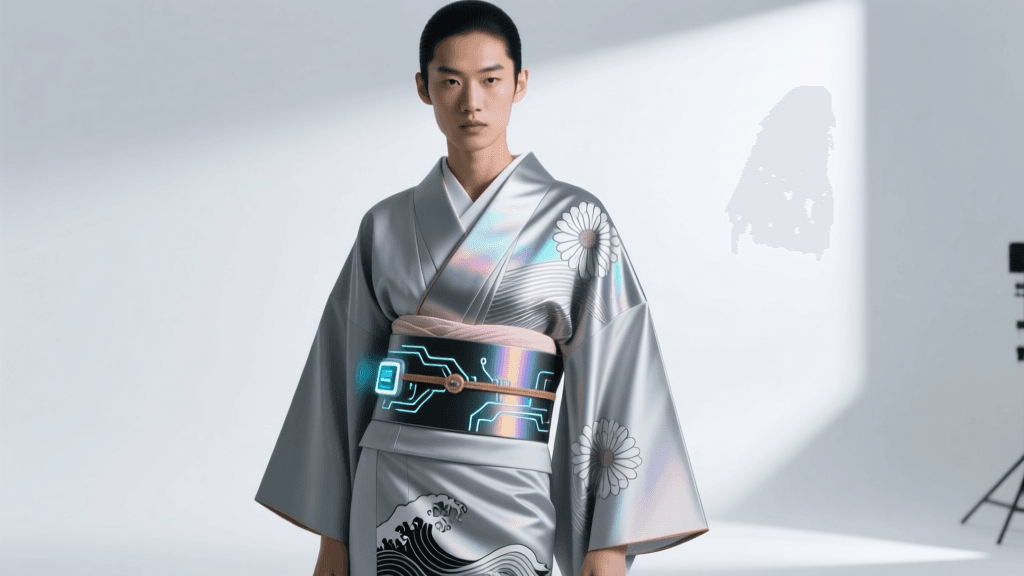
When we think of iconic science fiction and fantasy costumes, the visual language of traditional Japanese clothing is often hiding in plain sight. From the sweeping, layered robes of the Jedi Order in Star Wars to the neon-drenched, tech-wear-infused yukata of Ghost in the Shell and Cyberpunk 2077, the structural geometry of the kimono has profoundly shaped global pop culture. The straight-line construction, modular layering, and dramatic silhouettes of garments like the haori, hakama, and jinbei offer costume designers a versatile foundation for building worlds that feel both ancient and futuristic.
As noted by the Victoria and Albert Museum, the structural elegance of Japanese garments has continuously influenced global fashion and costume design, bridging the gap between historical tradition and avant-garde expression. For fans, cosplayers, and avant-garde fashion enthusiasts, recreating these media-inspired looks using authentic, vintage Japanese garments offers a far richer, more sustainable, and culturally respectful alternative to mass-produced synthetic costumes.
Sourcing Authentic Pieces for Media-Inspired Wardrobes
To achieve a screen-accurate or high-fashion cyberpunk silhouette, the drape and weight of the fabric are paramount. Cheap polyester costumes lack the gravitational pull of authentic silk, linen, or heavy cotton. Here is how to source authentic pieces for your pop-culture wardrobe:
- Yahoo Auctions Japan & Mercari Japan: Utilize proxy services like Buyee, ZenMarket, or Sendico to bid directly on vintage kimono and hakama. Search terms like 'komon' (everyday patterned kimono) or 'tetsu-kon' (deep navy blue) yield excellent dystopian base layers.
- Specialized Online Recyclers: Websites dedicated to vintage kimono often categorize pieces by condition. Look for 'B' or 'C' grade garments; slight fading, fraying, or tansu (chest) marks add incredible weathered authenticity to post-apocalyptic or gritty sci-fi costumes.
- Local Antique Malls and Thrift Stores: In areas with historical Japanese diaspora communities, vintage haori (jackets) and jinbei (summer loungewear) frequently appear in thrift stores, often priced between $15 and $40.
Measurement Guide for Screen-Accurate Silhouettes
Traditional Japanese garments are not sized like Western clothing. They are measured in specific dimensions that dictate how the garment wraps and drapes. Understanding these measurements is critical for achieving the dramatic, flowing looks seen in cinema.
Key Measurements to Check:
- Yuki (Sleeve Length): Measured from the center back of the neck, across the shoulder, and down to the wrist. For a heroic, sweeping sci-fi silhouette (like a space monk or wandering ronin), look for a yuki measurement that extends 2-4 inches past your actual wrist bone to create deep, dramatic sleeve folds.
- Mitake (Back Length): Measured from the nape of the neck to the bottom hem. Traditional kimono are tailored to fold at the waist. However, for a modern cyberpunk or dystopian noble look, you can wear a kimono with a mitake equal to your full nape-to-ankle height without folding, creating a trailing, avant-garde hemline.
- Sodeguchi (Sleeve Opening): The width of the sleeve opening. Wider openings allow for the integration of modern tech-wear underneath, such as compression shirts or tactical bracers.
Comparison Chart: Screen-Accurate Silhouettes vs. Traditional Garments
The following table breaks down popular media archetypes and the authentic traditional garments you can use to recreate them, complete with sourcing advice and estimated vintage market costs.
| Media Archetype | Traditional Equivalent | Key Fabric & Features | Est. Vintage Cost (USD) |
|---|---|---|---|
| Space Monk / Wandering Hero | Haori & Hakama | Heavy wool or linen, earth tones, wide pleated trousers | $80 - $160 |
| Cyberpunk Hacker / Tech-Noir | Jinbei & Samue | Indigo-dyed cotton, geometric patterns, breathable | $40 - $90 |
| Dystopian Noble / Royal | Uchikake (Outer Robe) | Heavy brocade silk, padded hem, vibrant metallic threads | $200 - $600 |
| Post-Apocalyptic Scavenger | Noragi (Farmer's Jacket) | Boro (patched cotton), sashiko stitching, distressed | $120 - $350 |
Actionable Guide: Assembling a 'Tech-Noir' Yukata Ensemble
Blending traditional garments with modern streetwear and tactical gear is a staple of the cyberpunk genre. Here is a step-by-step guide to building a functional, media-ready 'Tech-Noir' yukata ensemble for conventions, photoshoots, or avant-garde street fashion.
Step 1: The Base Layer
Skip the traditional juban (under-kimono) and opt for a modern, moisture-wicking compression shirt or a mesh tactical top. This grounds the outfit in a futuristic reality while keeping you cool under heavy layers.
Step 2: The Main Garment
Select a dark, indigo-dyed cotton yukata or a lightweight wool kimono. Cotton is highly recommended for tech-wear blends because it can withstand the friction of tactical belts and holsters without tearing delicate silk fibers.
Step 3: The Obi and Tactical Integration
Instead of a traditional silk obi, use a kaku-obi (a stiff, woven cotton belt used in martial arts) as your base tie. Once secured, layer a modern tactical drop-belt or a modular MOLLE belt directly over the kaku-obi. This creates a striking visual contrast between ancient weaving techniques and modern military hardware.
Step 4: Footwear and Mobility
Traditional zori (sandals) are impractical for urban environments or convention centers. Instead, wear jika-tabi—split-toe shoes with rubber soles originally designed for construction workers and ninjas. Brands like Marugo or Rikio offer black, reinforced jika-tabi for around $45-$70, providing excellent arch support and a distinctly futuristic, mechanical silhouette.
Upcycling Damaged Vintage for Cosplay Armor
Not all vintage kimono survive the decades intact. Silk rot, water stains, and moth damage are common. Rather than discarding these pieces, the pop-culture and cosplay communities have pioneered methods for upcycling damaged textiles into screen-accurate armor and props.
- Brocade Armor Padding: Heavily damaged uchikake or maru-obi (wide, brocade belts) feature thick, stiff padding and metallic threads. These can be cut and sealed with fray-check to create luxurious, aristocratic padding for sci-fi shoulder pauldrons or chest plates.
- Sashiko Tech-Straps: Strips of distressed, sashiko-stitched cotton from damaged noragi jackets can be reinforced with nylon webbing on the reverse side, creating incredibly strong, visually striking straps for prop weapons or hologram projectors.
- Haori Wire Framing: The haori's open front is perfect for integrating lightweight EVA foam or Worbla armor pieces on the inner lapels, creating the illusion of a garment that is slowly morphing into cybernetic plating.
Preserving Tradition While Embracing Fandom
While adapting traditional garments for pop culture and media-inspired fashion is a fantastic way to keep these textiles in circulation, it is vital to approach the practice with cultural respect. The blend of traditional silhouettes with futuristic elements mirrors what the Metropolitan Museum of Art describes as the enduring adaptability and profound influence of Japanese aesthetics on the global stage.
Avoid altering irreversible historical pieces (like cutting into pristine, hand-painted Edo-period silk). Instead, focus on modular styling, layering, and upcycling garments that are already damaged or mass-produced for the export market. By understanding the history of the kitsuke (the art of dressing) and the specific purposes of garments like the hakama and jinbei, fans can create deeply authentic, respectful, and visually stunning tributes to their favorite sci-fi and fantasy worlds.
According to cultural analyses featured in BBC Culture, the kimono's transition from everyday wear to a global symbol of avant-garde and cinematic design proves its timelessness. Whether you are stepping onto the convention floor as a wandering space ronin or styling a high-fashion cyberpunk editorial, the authentic drape of vintage Japanese textiles will always elevate your wardrobe from mere costume to cinematic art.