Evolution of the Kosode: Heian to Edo Japanese Fashion
The Origins: Heian Period (794–1185) and the Junihitoe
When tracing the lineage of traditional Japanese clothing, one must look past the modern kimono to its ancestral root: the kosode. Translating literally to 'small sleeves,' the kosode's journey from a hidden undergarment to the defining outerwear of Japanese culture is a fascinating study in historical shifts, class dynamics, and textile innovation. During the Heian period, the aristocratic elite favored the junihitoe, a breathtakingly complex, multi-layered ensemble featuring massive, sweeping sleeves. The kosode, at this time, was known as the shiro-ae (white under-robe) and served merely as the foundational layer worn directly against the skin. Its narrow sleeve openings were designed for warmth and practicality, completely hidden beneath the voluminous silks of the court nobility.
The Shift: Muromachi Period (1336–1573) and the Rise of the Samurai
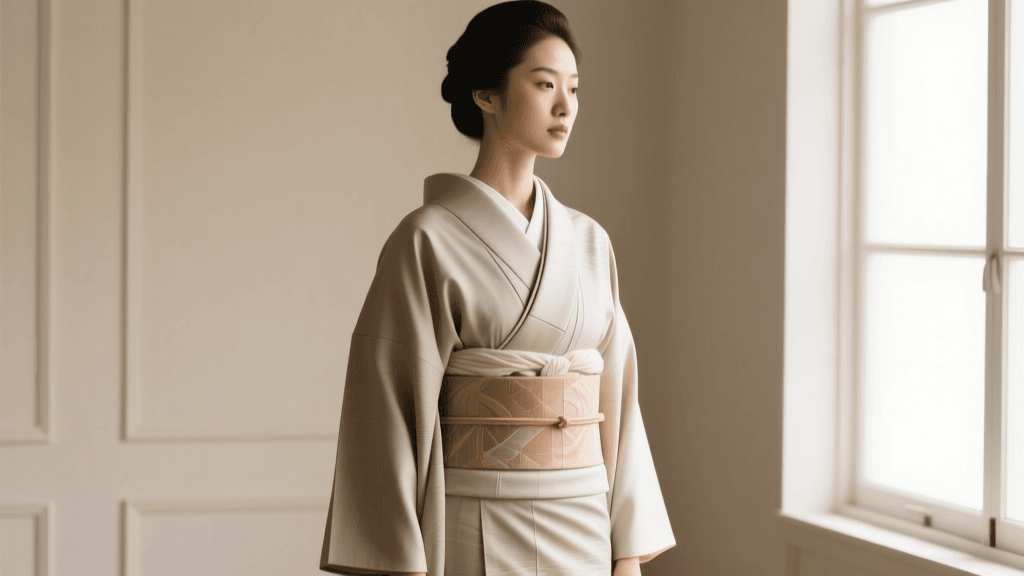
As political power shifted from the imperial court in Kyoto to the military class (samurai) during the Kamakura and subsequent Muromachi periods, the practicalities of warfare and daily administration demanded a change in dress. The cumbersome junihitoe was abandoned in favor of mobility. The kosode emerged from the shadows to become the primary outer garment for both men and women. According to historical textile analyses, this era saw the introduction of the obi, initially a narrow, functional sash used simply to keep the kosode closed. The garment's silhouette remained relatively straight and unstructured, relying on the drape of the silk and the layering of a hakama (pleated trousers) for formal occasions. This period laid the structural groundwork for what the world now recognizes as the kimono.
The Golden Age: Edo Period (1603–1867) and the Art of the Kosode
The Edo period marked an unprecedented era of peace, urbanization, and economic growth under the Tokugawa shogunate. With the rise of the wealthy merchant class (chonin), fashion became a primary vehicle for social expression. The kosode transformed into a literal canvas for artistic mastery. As noted by the Metropolitan Museum of Art, the Edo period was defined by incredible advancements in textile techniques, most notably Yuzen-zome (resist dyeing) and intricate Shibori (tie-dyeing). These techniques allowed for pictorial designs, sweeping landscapes, and poetic motifs to flow seamlessly across the garment's seams.
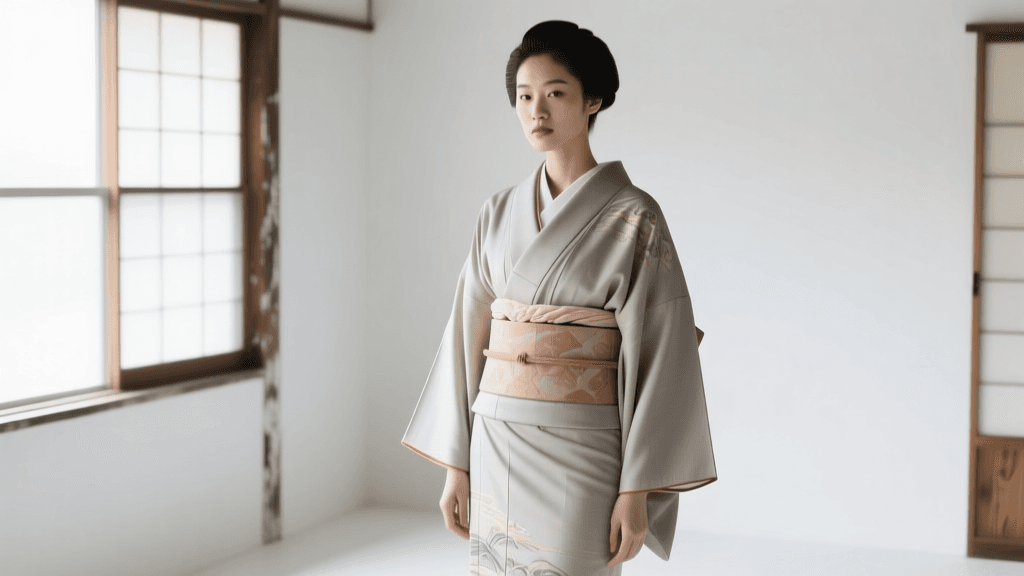
However, this explosion of wealth and fashion led the shogunate to enact strict sumptuary laws (ken'yakurei) to curb merchant extravagance and maintain class distinctions. These laws restricted the use of certain colors, expensive tie-dyes, and lavish gold leaf. In response, artisans developed subtler, highly sophisticated dyeing methods and hidden linings, giving rise to the aesthetic concept of iki (refined, understated elegance). By the late Edo period, the obi widened significantly to accommodate elaborate knots, and the term 'kimono' (thing to wear) gradually began to replace 'kosode' in the common lexicon, signaling the garment's evolution into its modern form.
Practical Guide: Acquiring and Styling Historical Garments Today
For collectors, historical reenactors, and enthusiasts of traditional Japanese fashion, acquiring authentic or accurately reproduced kosode requires an understanding of historical tailoring, modern sizing, and market navigation. Unlike Western tailoring, which cuts fabric to fit the body's curves, Japanese garments are constructed from straight bolts of fabric (tanmono), making them highly adjustable but requiring specific knowledge to wear correctly.
Essential Measurements for Historical Fit
When sourcing vintage Edo or Meiji-era kosode, or commissioning a reproduction, you must understand traditional Japanese measurements. The Victoria and Albert Museum highlights that the kimono's fit is dictated by the fabric bolt width, but two critical measurements determine how it will drape on a modern wearer:
- Yuki (Sleeve/Shoulder Length): Measured from the center back of the neck, over the shoulder, to the wrist. Actionable Formula: Measure your full arm span from wrist to wrist, divide by two, and add 2 cm for ease. A standard modern women's yuki is roughly 62-64 cm, while historical garments often feature longer, more dramatic sleeves.
- Mitake (Back Length): Measured from the base of the neck to the desired hemline. Actionable Formula: Multiply your total height by 0.4, then add 10 cm. For a historical Edo-period trailing look, add an extra 15-20 cm to allow for the ohashori (the waist fold) to pool elegantly.
Sourcing Authentic and Reproduction Pieces
Finding genuine Edo-period kosode is a pursuit for serious collectors and museums, as silk from the 17th and 18th centuries is exceptionally fragile. However, late Meiji (1868–1912) and Taisho (1912–1926) era garments offer a similar historical silhouette and aesthetic at a fraction of the cost and with greater structural integrity.
Where to Buy:
- Oedo Antique Market (Tokyo): Held on the 1st and 3rd Sundays of the month at the Tokyo International Forum. This is the premier destination for high-quality vintage silks, antique obi, and historical accessories. Expect to arrive by 9:00 AM for the best selection.
- Toji Temple Flea Market (Kyoto): Held on the 21st of every month. Excellent for sourcing unlined summer garments (hitoe) and raw vintage silk bolts for custom tailoring.
- Online Specialists: Platforms like Ichiroya and Yamatoku specialize in authenticated vintage Japanese garments, providing exact measurements in centimeters and detailed condition reports.
Cost Comparison and Budgeting
Budgeting for historical Japanese garments varies wildly based on age, condition, and the complexity of the dye work. Below is a structured comparison to help you plan your acquisition strategy.
| Garment Type / Era | Condition / Features | Estimated Cost (USD) | Best Use Case |
|---|---|---|---|
| Late Edo / Meiji Kosode | Authentic, Yuzen dyed, minor frailty | $400 - $1,500+ | Collection, Display, Careful Study |
| Taisho Era Vintage Silk | Excellent, bold Art Deco motifs | $150 - $450 | Tea Ceremony, Formal Wear, Photoshoots |
| Modern Historical Reproduction | New silk, custom tailored to measurements | $800 - $2,500 | Reenactment, Daily Wear, Heirloom |
| Vintage Silk Obi (Maru/Fukuro) | Gold thread, brocade, good condition | $80 - $300 | Styling, Upcycling, Formal Tying |
Timing and Seasonal Considerations
Japanese fashion is intrinsically tied to the seasons. If you are purchasing or renting for an event, timing is everything. In traditional kitsuke (the art of dressing), wearing a lined garment (awase) in the peak of summer is considered a major faux pas. Awase is worn from October to May. From June to September, you must transition to unlined (hitoe) or sheer, open-weave (ro and sha) garments. When commissioning a reproduction, allow 3 to 6 months for the weaving and dyeing process, especially if requesting custom Yuzen work from artisans in Kyoto's Nishijin district.
Care and Maintenance of Vintage Silks
Owning historical garments comes with the responsibility of preservation. Vintage silk is highly susceptible to humidity, direct sunlight, and the oils from human skin. Never attempt to wash a vintage kosode at home with water. Instead, utilize the traditional Japanese method of shinshi (stretching and airing). After wearing, hang the garment on a specialized bamboo kimono hanger (emondo) in a shaded, well-ventilated room for 24 hours to allow moisture to evaporate.
For deep cleaning, seek out a professional arakai (kimono cleaner) who specializes in vintage textiles. They will disassemble the garment, wash the individual panels, and re-sew it by hand, ensuring the historical integrity of the seams is maintained. Store your pieces folded along their original creases, wrapped in acid-free tatou paper, and place them in a paulownia wood chest (tansu), which naturally regulates humidity and repels insects without the use of harsh chemical mothballs that can yellow delicate silk threads.
Conclusion
The evolution of the kosode from a humble Heian undergarment to the breathtakingly artistic outerwear of the Edo period reflects the broader socio-political shifts of Japanese history. Today, whether you are carefully preserving a fragile Meiji-era antique, commissioning a bespoke reproduction, or mastering the intricate art of tying an Edo-style obi, engaging with these garments offers a tangible connection to centuries of unparalleled craftsmanship. By understanding the historical context, precise measurements, and proper care techniques, you ensure that the legacy of the kosode continues to be worn, studied, and admired for generations to come.