Hanfu for Weddings, Graduations, and Festivals: A Styling Guide
The Hanfu Revival: Dressing for Life’s Milestones
The Hanfu movement has evolved from a niche internet subculture into a mainstream cultural phenomenon across China and the global diaspora. No longer confined to cosplay conventions or historical reenactments, traditional Chinese clothing is now being embraced for life’s most significant milestones. As noted by the South China Morning Post, the modern Hanfu revival is deeply intertwined with Gen Z's search for cultural identity and aesthetic expression. For weddings, university graduations, and major lunar festivals, Hanfu provides a sartorial bridge between ancestral heritage and contemporary celebration. This comprehensive guide will walk you through the specific silhouettes, fabrics, and practical considerations for styling authentic Hanfu for your most important occasions.
Hanfu for Weddings: Elegance, Heritage, and Solemnity
When it comes to weddings, Hanfu offers a profound connection to ancestral traditions, replacing or supplementing the Western white wedding gown with garments rich in symbolic meaning. The most popular and historically grounded choice for a formal Hanfu wedding is the Ming Dynasty Aoqun (jacket and skirt) ensemble.
Ming Dynasty Aoqun: The Gold Standard for Bridal Wear
The Ming Dynasty Aoqun is characterized by its structured, dignified silhouette, making it ideal for the solemnity of a wedding ceremony. The ensemble typically features a long-sleeved, cross-collared or round-collared jacket (Ao) paired with a pleated or horse-face skirt (Mamianqun). For brides, the Mamianqun is often woven with intricate jacquard patterns featuring dragons, phoenixes, or peonies, symbolizing prosperity and marital bliss. The color palette traditionally leans toward crimson, deep navy, or emerald green, accented with gold thread.
To elevate the bridal look, the outfit is often complemented by a Yunjian (cloud scarf) and a Fengguan (phoenix crown) or elaborate gold hairpins. Because authentic Ming-style brocade and silk garments require specialized weaving techniques, such as the renowned Nanjing Yunjin (cloud brocade), a high-quality custom bridal set can cost anywhere from $300 to over $1,500. You must allow at least three to four months for tailoring and shipping if ordering from specialized artisans on platforms like Taobao.
Tang Dynasty Qixiong: Spring and Summer Nuptials
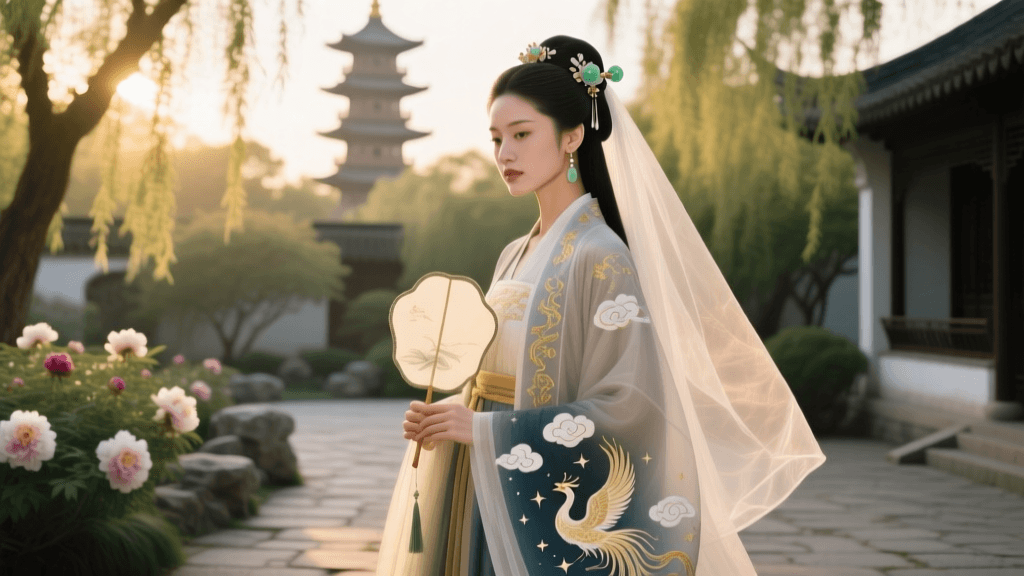
For warmer weather or outdoor garden weddings, the Tang Dynasty Qixiong Shanqun (chest-high skirt) offers a romantic, ethereal alternative. This style features a high-waisted skirt tied above the bust, paired with a sheer, wide-sleeved Daxiushan (large-sleeved robe). The flowing fabrics and vibrant, contrasting colors capture the cosmopolitan opulence of the Tang era. While visually stunning, the chest-high tie can be challenging to secure for long ceremonies; modern wearers often use hidden suspenders or safety pins to ensure the heavy silk skirts remain comfortably in place throughout the day.
Hanfu for Graduations: Scholarly Elegance and Academic Milestones
As universities across Asia and the West see a rise in students opting for cultural attire over standard Western caps and gowns, Hanfu has emerged as a powerful statement of academic pride. The Song Dynasty aesthetic, renowned for its understated elegance and intellectual refinement, is the undisputed favorite for graduation ceremonies.
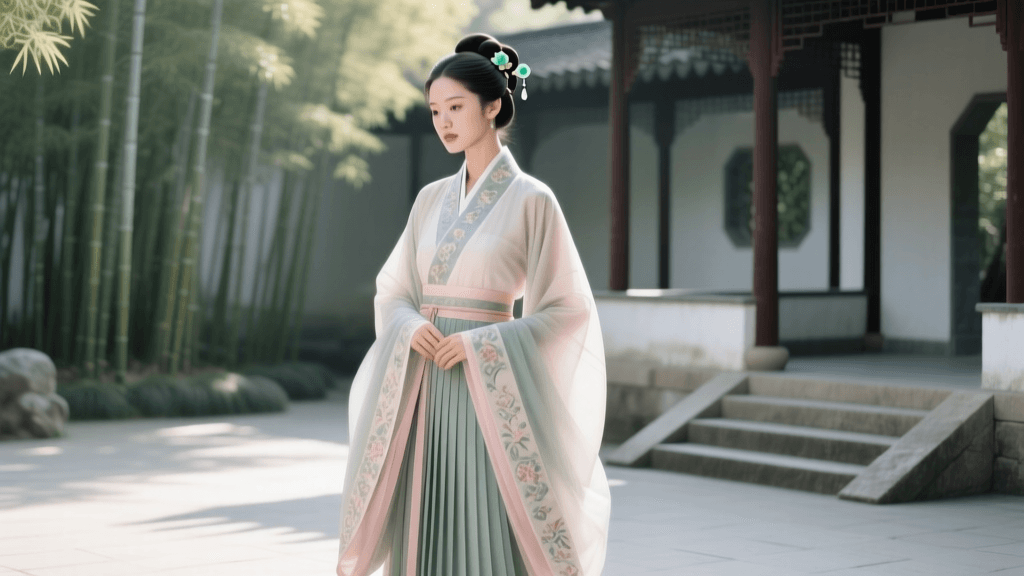
The quintessential graduation Hanfu is the Song Dynasty Beizi, a long, open-front coat with a straight collar, worn over a pleated Baidian skirt or a pair of wide-legged Songku trousers. The color palette for scholarly occasions favors muted, natural tones: jade green, ivory, pale blue, and soft lotus pink. These colors reflect the traditional literati (wenren) ideals of modesty and inner cultivation.
Practicality is key when navigating crowded stages and receiving diplomas. The Beizi’s open front allows for ease of movement, while the structured pleats of the Baidian skirt photograph beautifully without the risk of tripping over excessive layers. A complete, high-quality Song Dynasty graduation set typically costs between $80 and $180, making it an accessible and reusable investment for young scholars. Pair the outfit with a simple jade hairpin or a scholarly folding fan to complete the intellectual aesthetic.
Festival Wear: Celebrating the Lunar Calendar in Style
Traditional Chinese festivals are deeply tied to the changing of the seasons, and your Hanfu styling should reflect the specific mood and history of each holiday. According to China Daily, the commercial and cultural footprint of Hanfu during festivals like the Mid-Autumn Festival and the Lantern Festival has expanded into a multi-billion dollar industry, with cities hosting massive nighttime parades and lantern-lit gatherings.
The Lantern Festival and Mid-Autumn Festival
For evening festivals characterized by lantern viewing and moon gazing, the Wei-Jin or early Tang cross-collar styles are highly popular. The Wei-Jin aesthetic features wide sleeves, flowing sashes, and overlapping layers that catch the wind, creating a dramatic, immortal-like (xianqi) silhouette. Rich autumnal colors like burnt orange, maroon, and gold are perfect for the Mid-Autumn Festival. Accessorizing is paramount here: carrying a handmade silk lantern, wearing velvet floral hairpins (Zanhua), and applying traditional floral forehead makeup (Huadian) will elevate your festival photography.
The Shangsi Festival (Double Third)
Celebrated on the third day of the third lunar month, Shangsi is a traditional spring outing festival. Light, breathable fabrics like linen and thin cotton are essential. A Ming Dynasty Duijin (central-buttoned) short jacket paired with a lightweight Mamianqun allows for the mobility needed for spring picnics and park gatherings.
Comparison Chart: Dynasty Styles by Occasion
| Occasion | Recommended Dynasty | Key Garments | Estimated Cost (USD) | Lead Time |
|---|---|---|---|---|
| Formal Wedding | Ming Dynasty | Ao (Jacket), Mamianqun (Horse-face skirt), Yunjian | $300 - $1,500+ | 3 - 4 Months |
| Summer Wedding | Tang Dynasty | Qixiong (Chest-high skirt), Daxiushan (Robe) | $150 - $400 | 1 - 2 Months |
| Graduation | Song Dynasty | Beizi (Open coat), Baidian (Pleated skirt) | $80 - $180 | 2 - 4 Weeks |
| Autumn Festivals | Wei-Jin / Tang | Cross-collar tops, flowing skirts, sashes | $90 - $200 | 2 - 4 Weeks |
Practical Fitting, Purchasing, and Styling Rules
Transitioning to Hanfu requires an understanding of traditional tailoring, which differs vastly from modern Western fashion. Hanfu is generally cut from flat panels of fabric, relying on ties and wrapping rather than darts and zippers to conform to the body.
The Golden Rule: Jiaoling Youren
The most critical rule in Hanfu styling is the collar direction. You must always wrap the left side of the collar over the right side (Jiaoling Youren). Wrapping right-over-left is historically reserved for dressing the deceased and is considered highly inauspicious and offensive in traditional culture. Always double-check your collar alignment in mirrors and photographs.
Taking Your Measurements
When ordering from overseas boutiques or Taobao agents, you will need specific measurements. Because Hanfu is designed with a generous, flowing fit, exact body-hugging measurements are less critical than in Western tailoring. However, you must provide:
- Height and Weight: Crucial for determining the correct length of skirts and sleeves.
- Bust and Waist: Necessary for Tang dynasty chest-high skirts and Ming dynasty jackets.
- Arm Span: Measured from wrist to wrist with arms outstretched, ensuring the traditional sleeves extend past the fingertips.
Sourcing Authentic Garments
While the historical context of these silhouettes can be traced through major exhibitions like the Metropolitan Museum of Art's China: Through the Looking Glass, acquiring accurate modern reproductions requires specialized vendors. Brands like Shisanyu, Minghuatang, and Hanfu Shang offer historically accurate patterns and premium fabrics. For buyers outside of China, utilizing shopping agents like Superbuy or Wegobuy is the most reliable method to access domestic Chinese brands, though you must factor in additional shipping times and agent fees.
Conclusion: Weaving Heritage into Modern Milestones
Choosing to wear Hanfu for weddings, graduations, and festivals is more than a fashion statement; it is an act of cultural reclamation and personal storytelling. By understanding the historical context, respecting the structural rules of the garments, and selecting the appropriate dynasty for your specific occasion, you ensure that your attire is both visually breathtaking and culturally resonant. Whether you are walking across a graduation stage in a scholarly Song Dynasty Beizi or exchanging vows in a resplendent Ming Dynasty Mamianqun, Hanfu allows you to carry the weight and beauty of history into your most cherished modern memories.