Kimono Silk Craft: Nishijin-ori Weaving vs Yuzen Dyeing
The Foundation of Kimono: Woven vs. Dyed Silk
When exploring the world of traditional Japanese garments, understanding the distinction between woven and dyed silk is paramount. The kimono is not merely a piece of clothing; it is a canvas of cultural expression, seasonal awareness, and artisanal mastery. While the silhouette of the kimono has remained relatively unchanged for centuries, the textiles used to create them represent some of the most sophisticated textile engineering in human history. For collectors, enthusiasts, and those looking to invest in authentic Japanese fashion, distinguishing between the two primary pillars of kimono silk craftsmanship—Nishijin-ori (woven brocade) and Yuzen-zome (resist dyeing)—is essential. This guide delves deep into the history, techniques, and practical considerations of these magnificent fabrics, providing you with the actionable knowledge needed to appreciate, purchase, and care for these masterpieces.
Nishijin-ori: Kyoto’s Masterpiece of Brocade Weaving
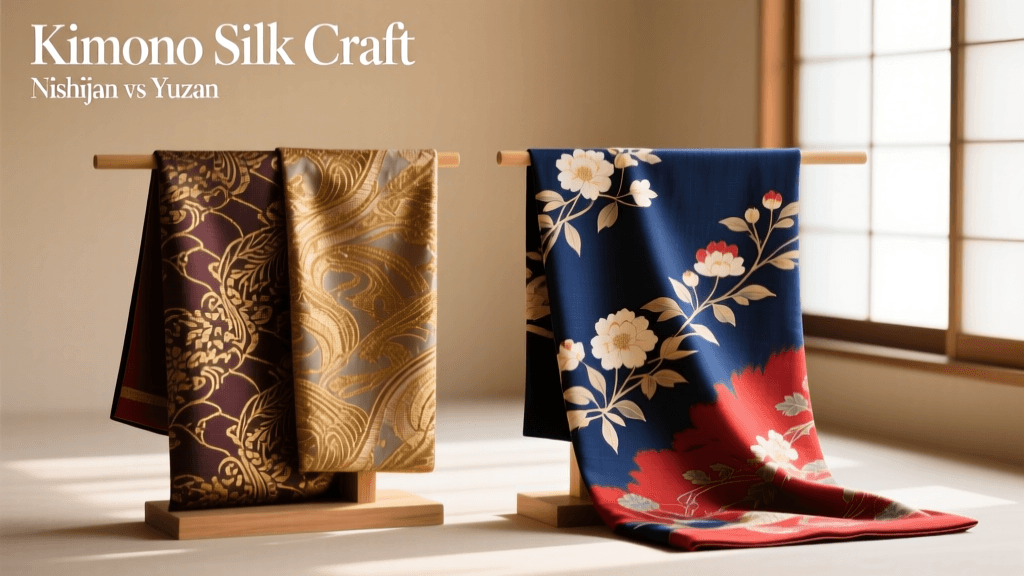
Originating in the Nishijin district of Kyoto, Nishijin-ori is a luxurious, multi-layered brocade weaving technique that dates back over a thousand years. The name itself translates to 'woven in the western camps,' a reference to the Onin War in the 15th century when weavers returned to the western part of Kyoto to rebuild their industry. Today, the Nishijin Textile Industrial Association continues to protect and promote this heritage. Nishijin-ori is characterized by its dense, heavy texture and the extensive use of metallic threads, such as gold and silver leaf wrapped around silk or paper cores. This creates a raised, three-dimensional effect that catches the light beautifully, making it the premier choice for formal obi (sashes) and the outer layers of highly formal wedding ensembles.
The Craftsmanship Process
The creation of Nishijin-ori is notoriously complex, often requiring over twenty distinct steps, many of which are still performed by specialized artisans. The process begins with the design and the creation of the Jacquard punch cards or digital equivalents that dictate the weave pattern. The silk threads are then dyed before weaving—a crucial distinction from many other textiles. Weavers use specialized looms to interlace the warp and weft threads, sometimes incorporating multiple layers to create the intricate brocade patterns. A single weaver might produce only a few centimeters of fabric in a day, depending on the complexity of the design and the fineness of the silk. This labor-intensive process is why authentic Nishijin-ori obi command such high prices and are considered heirloom investments.
Yuzen-zome: The Pinnacle of Silk Resist Dyeing
While Nishijin-ori relies on the intersection of dyed threads, Yuzen-zome transforms plain white silk into a breathtaking, painterly canvas. Invented in the late 17th century by Miyazaki Yuzensai, a fan painter from Kyoto, this technique revolutionized Japanese fashion by allowing for unrestricted, free-form designs. According to the Victoria and Albert Museum, Yuzen dyeing enabled the creation of sweeping, continuous motifs that could flow seamlessly across the seams of a kimono, a hallmark of high-status garments like the furisode and homongi. The defining feature of Yuzen is the use of a rice-paste resist called itome-nori, which is applied to outline the design and prevent dyes from bleeding into one another.
Kyo-Yuzen vs. Kaga-Yuzen
There are two primary regional styles of Yuzen that collectors must know. Kyo-Yuzen, from Kyoto, is known for its stylized, elegant motifs, often featuring auspicious symbols like cranes, pine trees, and flowing water, utilizing a vibrant and varied color palette. In contrast, Kaga-Yuzen, from the Ishikawa Prefecture, is celebrated for its hyper-realistic botanical and natural motifs. Kaga-Yuzen strictly adheres to the 'Kaga Gosai'—a specific palette of five colors (indigo, ochre, green, purple, and maroon)—and employs a masterful shading technique called bokashi, where colors fade from dark to light. The Kyoto Traditional Craft Center frequently highlights how these regional variations reflect the distinct aesthetic philosophies of their respective locales, offering buyers a choice between courtly elegance and natural realism.
Fabric Comparison: Nishijin-ori vs. Yuzen
To help you make informed purchasing decisions, here is a structured comparison of these two foundational kimono textiles:
| Feature | Nishijin-ori (Woven) | Yuzen-zome (Dyed) |
|---|---|---|
| Technique | Jacquard loom brocade weaving | Hand-painted resist dyeing |
| Visual Texture | Raised, textured, metallic threads | Smooth, flat, pictorial motifs |
| Best Garment Use | Obi, formal Uchikake, Furisode | Furisode, Homongi, Komon |
| Price Range (Bespoke) | 300,000 - 2,000,000+ JPY | 500,000 - 3,000,000+ JPY |
| Production Time | 3 to 8 months | 6 to 14 months |
| Care Focus | Snag prevention, moisture control | UV protection, stain removal |
Actionable Guide: Buying, Measuring, and Caring for Silk Kimono
Sizing and Measurements
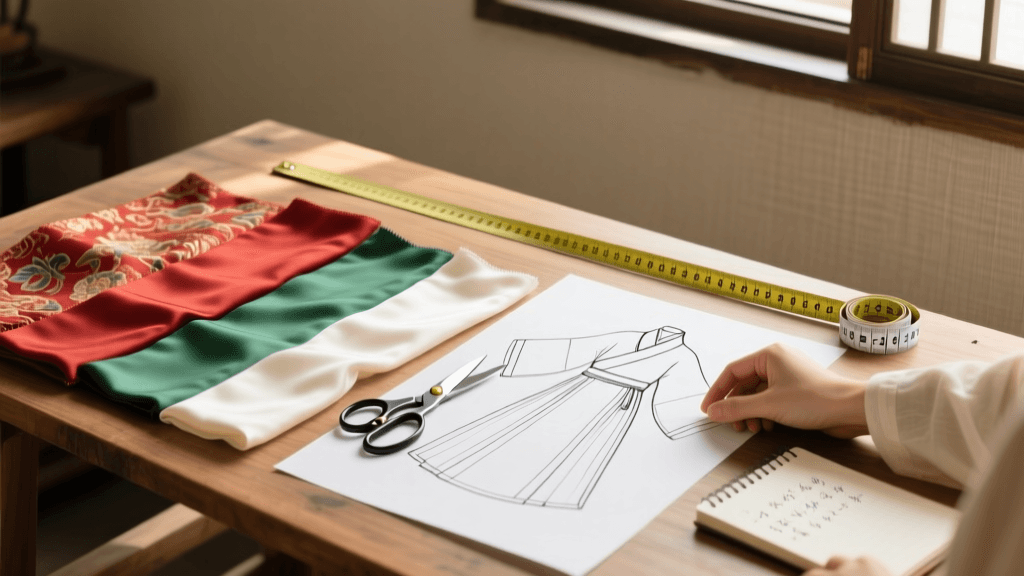
Unlike Western clothing, kimono are not sold in standard S, M, or L sizes. They are tailored to the individual's specific proportions. When commissioning or purchasing a vintage piece, you must understand two critical measurements. The 'Yuki' (arm span) is measured from the center of the back of the neck, over the shoulder, down to the wrist. A practical formula for estimating your Yuki is: (Your Height in cm x 0.8) + 2cm. The 'Mitake' (back length) is measured from the base of the neck to the ankle. The formula is: (Your Height in cm x 0.4) + 2cm. For example, a person who is 165cm tall would require a Yuki of approximately 134cm and a Mitake of 68cm. Always verify these measurements before purchasing vintage silk, as altering the Yuki is possible but can be costly and limited by the fabric's seam allowances.
Professional Cleaning Costs and Timing
Silk kimono cannot be washed at home or taken to a standard dry cleaner. They require specialized traditional cleaning methods. The most common service is 'maru-arai,' a full-garment wash using specialized solvents that preserve the silk's natural oils and dyes, followed by re-stretching. Expect to pay between 8,000 and 15,000 JPY (approximately $55 to $100 USD) for this service. For localized stains, 'shiminuki' (spot cleaning) costs between 2,000 and 5,000 JPY per stain. If the silk has lost its sheen or become wrinkled, 'yushin-hari' (steam stretching) will restore the fabric's luster for about 5,000 to 8,000 JPY. Timing is crucial: you should send your silk garments for professional cleaning after every 2 to 3 wears, or immediately before storing them for the humid summer months to prevent mold growth and permanent yellowing of the silk fibers.
Storage Best Practices
Proper storage is the final pillar of kimono craftsmanship preservation. Never store silk kimono in plastic bags or standard cardboard boxes, as these trap moisture and emit acidic gases that degrade the fibers. Instead, wrap each garment in 'tatoushi'—specialized acid-free, breathable paper—and store them in a 'tansu,' a traditional chest made of Paulownia wood. Paulownia is highly valued because it naturally regulates humidity, expanding to seal out moisture during humid seasons and contracting to allow airflow during dry periods. Include natural camphor or specialized anti-pest blocks, but ensure they never directly touch the silk. Finally, air out your collection at least twice a year, ideally during the dry, crisp days of late autumn, to maintain the structural integrity and vibrant colors of these extraordinary textiles.