Chinese Couture on Global Runways: A Sourcing & Styling Guide
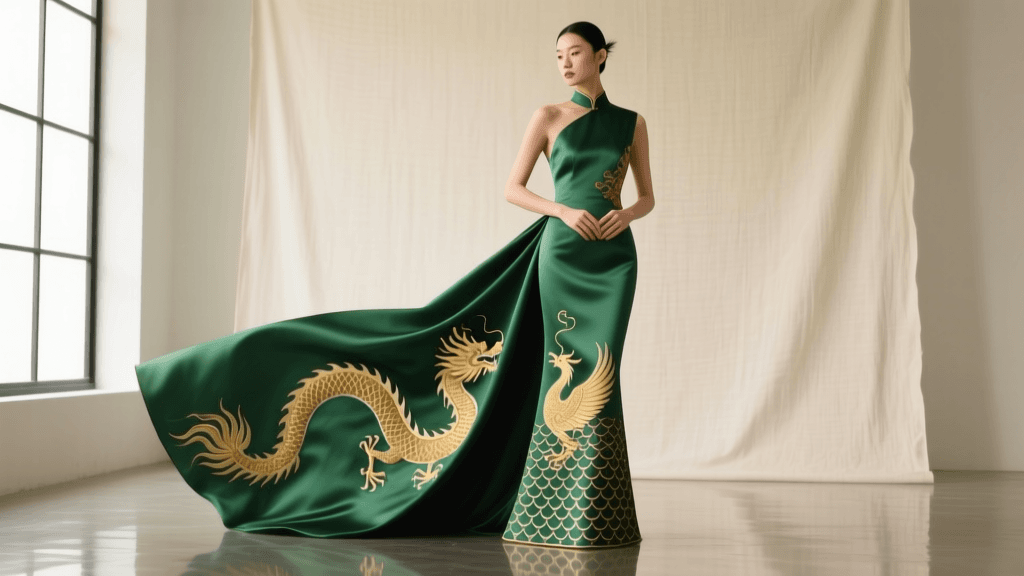
The intersection of Eastern heritage and Western silhouettes has long captivated the global fashion industry, but the modern integration of traditional Chinese garments into international haute couture represents a profound cultural and aesthetic renaissance. No longer confined to costume archives or regional ceremonies, elements of traditional Chinese dress are now commanding the spotlight on the runways of Paris, Milan, and New York. For collectors, stylists, and sartorial enthusiasts, understanding how to source, style, and preserve these exquisite fusion pieces is essential for navigating the upper echelons of global fashion.
The Evolution of Chinese Elements in Haute Couture
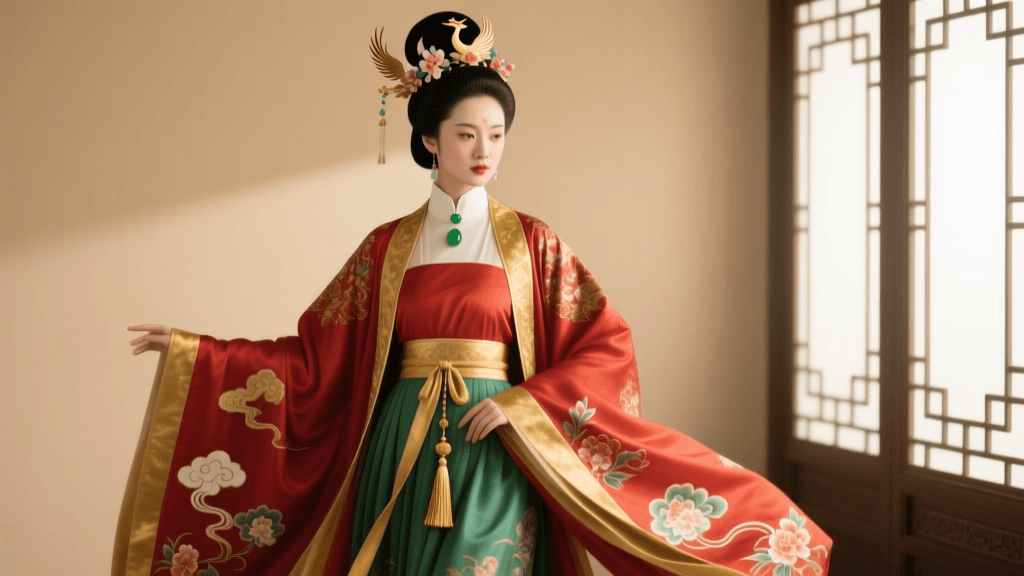
The translation of Chinese sartorial traditions onto the global couture stage is not merely about applying surface-level motifs; it is about structural and textile innovation. The watershed moment for this movement was solidified when Guo Pei became the first Chinese designer invited to join the prestigious Chambre Syndicale de la Haute Couture in Paris as a guest member. Her work, characterized by monumental proportions and thousands of hours of hand-embroidery, proved that traditional Chinese craftsmanship could stand shoulder-to-shoulder with historic European ateliers.
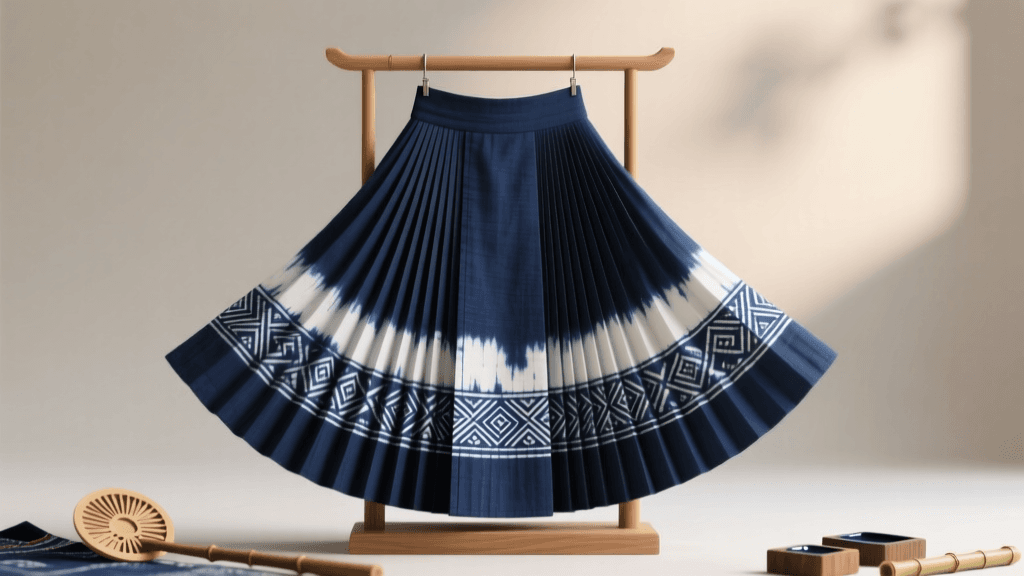
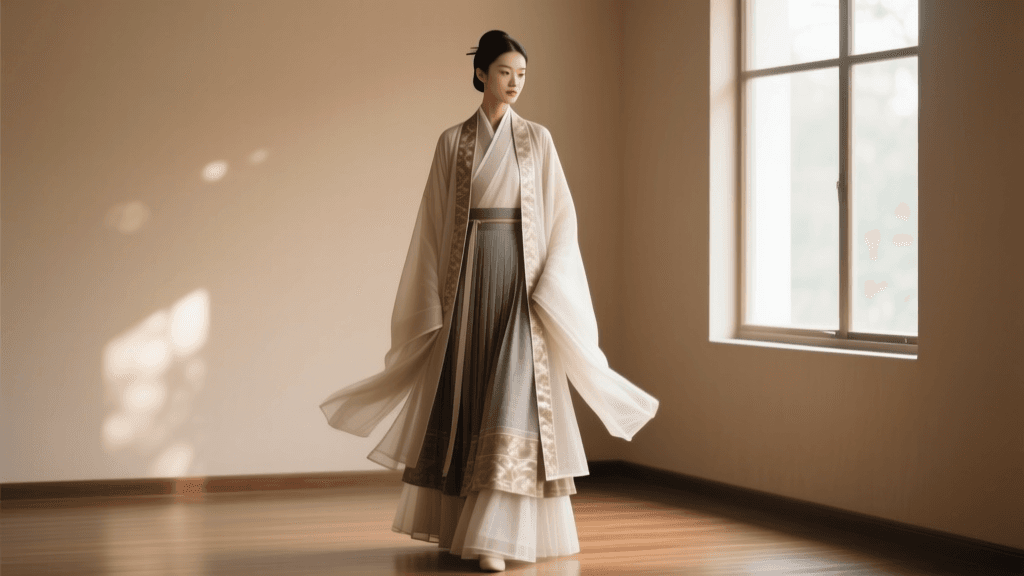
This global fascination was further cemented by the Metropolitan Museum of Art's landmark exhibition, China: Through the Looking Glass, which explored the profound impact of Chinese aesthetics on Western fashion design. Today, designers are moving beyond the cliché 'dragon-and-red-silk' tropes, delving instead into the nuanced architecture of the mamianqun (horse-face skirt), the structural elegance of the yunjian (cloud collar), and the philosophical depth of traditional dyeing techniques.
Key Textiles and Motifs Defining the Runway
To appreciate Chinese-inspired couture, one must understand the master-level textiles that form the foundation of these garments. International houses and bespoke ateliers frequently commission the following heritage fabrics:
Kesi (Cut Silk Tapestry)
Often described as 'one warp, broken weft,' Kesi is a highly complex silk tapestry technique where the weft threads are woven only where a specific color is needed, creating a carved, sculptural effect. According to the Heilbrunn Timeline of Art History, Chinese silk production and weaving techniques like Kesi have historically been among the most closely guarded and highly prized commodities in global trade. On the modern runway, Kesi is utilized for structured bodices and architectural jackets, providing a stiff yet luminous textile that holds its shape without heavy interfacing.
Su Embroidery (Suzhou Silk Embroidery)
Originating from the Jiangsu province, Su embroidery is renowned for its delicate, photorealistic quality. Master artisans can split a single silk thread into 1/16th, 1/32nd, or even 1/64th of its original thickness. This allows for imperceptible color gradients, particularly in depicting motifs like the peony (symbolizing wealth and honor) or the white crane (symbolizing longevity). In couture, Su embroidery is often applied to silk organza or crepe de chine, creating a floating, ethereal effect that moves beautifully under runway lighting.
Song and Shu Brocades
While Shu brocade (from Sichuan) is known for its vibrant colors and durable, heavy weave suitable for outerwear, Song brocade (from Suzhou) features a softer, more lustrous finish with intricate geometric and floral patterns. Contemporary designers frequently use these brocades to craft modern tailoring, such as wide-leg trousers or oversized blazers, juxtaposing the historic textile with stark, minimalist silhouettes.
Sourcing and Commissioning Couture-Inspired Pieces
Acquiring authentic, high-quality Chinese fusion couture requires navigating a specialized market. Whether you are sourcing for a red-carpet event, a personal archival collection, or a high-fashion editorial, there are three primary avenues to explore.
1. Archival and Vintage Auctions
For collectors seeking historical authenticity, major auction houses like Christie's and Sotheby's frequently feature late-Qing and Republican-era garments. A pristine, heavily embroidered 1920s silk aoqun (jacket and skirt ensemble) or an early beaded qipao can serve as a breathtaking statement piece. However, these items are fragile and often require significant restoration before they can be worn.
2. Bespoke Commissioning from Master Artisans
For a custom fit and modern structural integrity, commissioning a piece directly from a heritage studio in Suzhou or Hangzhou is the ultimate luxury. This process involves selecting the textile, approving the embroidery draft (often painted on rice paper first), and undergoing multiple remote or in-person fittings. Lead times are extensive, and the craftsmanship commands a premium price.
3. Contemporary Fusion Designers
Designers such as Samuel Gui Yang, Uma Wang, and Jason Wu frequently integrate Chinese tailoring philosophies into ready-to-wear and demi-couture collections. These pieces offer the most practical route for modern wardrobes, blending traditional fabric manipulation with contemporary wearability and standard luxury sizing.
Sourcing Comparison Chart
| Sourcing Method | Estimated Cost (USD) | Lead Time | Best Application |
|---|---|---|---|
| Archival Auctions | $5,000 - $60,000+ | Immediate (Post-Auction) | Museum-grade collections, editorial styling |
| Bespoke Heritage Studios | $15,000 - $120,000 | 8 to 18 Months | Bridal couture, Met Gala, state dinners |
| Contemporary Fusion Brands | $1,500 - $8,500 | 2 to 6 Months (Pre-order) | Red carpets, luxury galas, high-fashion events |
Styling Traditional Couture for Modern Galas
Styling a heavily ornamented Chinese couture piece for a modern Western-style gala requires a masterful understanding of visual balance. The golden rule is silhouette juxtaposition. If you are wearing a voluminous, heavily embroidered mamianqun (horse-face skirt) featuring gold-woven dragon motifs, the upper body should remain relatively streamlined. Pair the skirt with a minimalist, silk-crepe mandarin-collar top or a tailored, structured corset to prevent the look from becoming overwhelming.
When it comes to accessories, avoid competing with the intricate embroidery of the garment. Instead of faceted diamonds, which can clash with the organic luster of silk and metallic threads, opt for high-quality jadeite cabochons, nephrite carvings, or pearls. A single, museum-quality jadeite bangle or a pair of Imperial-green jade drop earrings provides a culturally cohesive and visually stunning complement to Chinese textiles. For hair, modern stylists are increasingly incorporating minimalist metal zan (hair sticks) crafted from matte gold or oxidized silver, securing sleek chignons while subtly nodding to traditional headpieces without resorting to theatrical costume elements.
Archival Care and Preservation
Investing in Chinese couture—whether a vintage Republican-era qipao or a newly commissioned Kesi jacket—requires strict adherence to textile conservation standards. Institutions like the Victoria and Albert Museum emphasize the critical importance of environmental control for historic Asian textiles. Silk is a protein fiber that is highly susceptible to environmental degradation.
- Climate Control: Store garments in a climate-controlled environment with a relative humidity (RH) strictly maintained between 45% and 55%. Fluctuations in humidity can cause the silk fibers to expand and contract, leading to the shattering of ancient threads or the warping of embroidery.
- Light Exposure: Silk dyes, particularly traditional botanical dyes like indigo and safflower, are extremely fugitive. Garments must be stored in total darkness and displayed only under UV-filtered lighting with lux levels kept below 50.
- Storage Materials: Never hang heavy, embroidered Chinese garments on standard hangers; the weight of the embroidery will distort the warp threads over time. Instead, pad the garments with acid-free, unbuffered tissue paper and store them flat in archival-grade, powder-coated steel drawers or custom-built acid-free boxes.
By understanding the deep historical roots, the master-level craftsmanship, and the precise styling requirements of Chinese-inspired couture, collectors and fashion connoisseurs can elevate their wardrobes with pieces that are not only visually breathtaking but culturally profound. As the global runway continues to embrace the richness of Asian traditions, the demand for these meticulously crafted garments will only continue to ascend.