Traditional Miao Indigo Batik and Pleated Skirts Guide
Introduction to Miao Textile Traditions
The Miao people, known internationally as the Hmong, possess one of the most complex and visually striking textile traditions in Asia. Primarily residing in the mountainous regions of southwestern China, including Guizhou, Yunnan, and Hunan provinces, the Miao have historically lacked a formal written language. Instead, they have encoded their history, mythology, and clan identities into their garments. For collectors, anthropologists, and textile enthusiasts, Miao clothing is not merely decorative; it is a wearable archive. Among the most coveted items in ethnic minority clothing traditions are the intricate indigo batik jackets and the engineering marvels known as Miao pleated skirts. This guide provides actionable insights into the craftsmanship, sourcing, and preservation of these extraordinary textiles.
The Craft of Miao Indigo Batik (Lahuan)
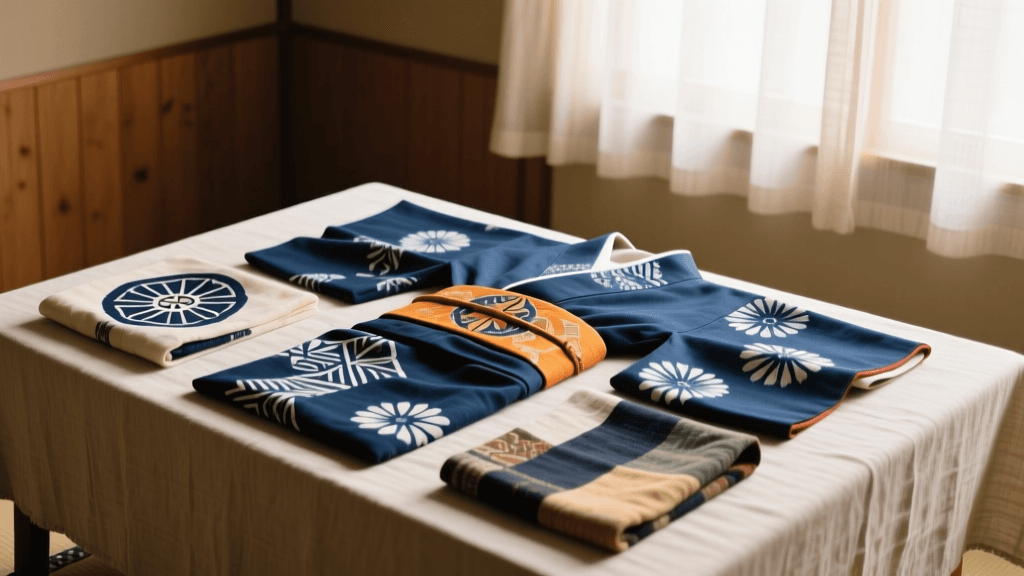
Miao batik, or lahu, is a resist-dyeing technique that relies on precision, patience, and a deep understanding of natural chemistry. Unlike the stamped batik of Indonesia, Miao batik is drawn entirely freehand using a specialized copper knife called a ladao.
Tools, Measurements, and Temperatures
The ladao consists of a bamboo handle fitted with interchangeable copper blades. Artisans use a 2mm blade for fine geometric outlines and a 5mm to 10mm blade for filling larger motifs like the iconic butterfly mother or buffalo horn patterns. The resist medium is pure beeswax, which must be melted and maintained at a strict temperature between 55°C and 60°C (131°F - 140°F). If the wax is too hot, it bleeds into the cotton or hemp fibers, ruining the crispness of the line; if it is too cool, it flakes off during the dyeing process.
The Indigo Fermentation Process
The dye is derived from the leaves of the Strobilanthes cusia plant. Creating a viable indigo vat is a biological process that requires precise timing. The leaves are soaked, fermented, and mixed with wood ash lye and rice wine. This fermentation process takes exactly 14 to 21 days, depending on the ambient mountain temperature. The fabric is dipped into the vat repeatedly—often 15 to 20 times over the course of a month—to achieve the deep, metallic-blue black hue characteristic of premium Miao textiles. After dyeing, the cloth is boiled in water to melt away the beeswax, revealing the stark white patterns against the dark indigo background.
The Iconic Miao Pleated Skirt (Baiqun)
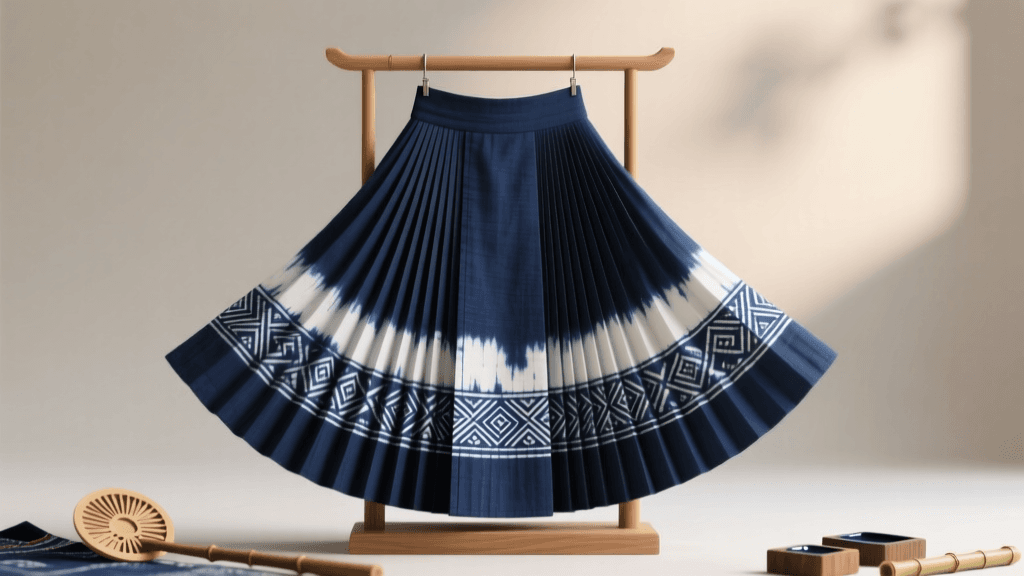
The Miao pleated skirt, or baiqun, is a masterpiece of structural textile engineering. A single authentic skirt can require between 15 and 25 meters of hand-woven cotton, which is meticulously pleated and compressed into a waistband measuring just 60 to 80 centimeters. The pleats are set using a traditional stiffening agent made from whipped egg whites or a dilute ox-hide glue. The artisan folds the damp, treated fabric into microscopic accordion pleats, binds the skirt tightly with cotton thread, and steams it to permanently set the memory of the fabric.
Skirt Typology and Collector Data
The style, length, and pleat density of a baiqun vary significantly by Miao sub-group and region. Below is a comparative chart to help collectors and buyers identify and value authentic pieces.
| Skirt Type | Sub-Group / Region | Average Pleat Count | Fabric Required | Collector Value (USD) |
|---|---|---|---|---|
| Short Skirt (Miniskirt) | Jianhe / Short Skirt Miao | 500 - 800 | 10 - 12 meters | $150 - $350 |
| Midi Pleated Skirt | Danzhai / Black Miao | 800 - 1,200 | 15 - 18 meters | $350 - $700 |
| Maxi Ceremonial Skirt | Xijiang / Long Skirt Miao | 1,200 - 2,000+ | 20 - 25 meters | $800 - $2,500+ |
Silver Ornamentation: The Perfect Pairing
No Miao ceremonial garment is complete without silver jewelry (yinshi). The silver acts as a spiritual armor, believed to ward off evil spirits and display the family's wealth. The most recognizable piece is the yinjiao, or silver horn headdress, which can span up to 1 meter in width. When sourcing Miao silver, buyers must differentiate between tourist-grade alloys and authentic artisan silver. Authentic pieces are crafted from S990 or S999 pure silver. Artisans typically charge based on the daily market weight of silver (approximately 25 to 40 RMB per gram) plus a craftsmanship fee. A full bridal silver set can weigh between 5 and 10 kilograms, representing a significant financial investment often exceeding $3,000 to $6,000 USD.
Sourcing and Buying Authentic Miao Garments
For those looking to acquire authentic Miao textiles, knowing where and how to shop is crucial. The commercialization of ethnic tourism has flooded markets with machine-printed imitation batik and polyester pleated skirts.
- Where to Go: Skip the main commercial streets of Xijiang Miao Village. Instead, visit the weekend morning markets in Kaili or seek out specialized weaving cooperatives in Danzhai County, which is renowned as the epicenter of traditional batik.
- Authentication Tests: Authentic indigo batik has a distinct, earthy scent that machine dyes lack. Furthermore, because the wax is drawn freehand, genuine pieces will feature slight irregularities, asymmetrical flourishes, and tiny 'ice-crackle' veins where the dye seeped into cracked wax. Machine prints are perfectly symmetrical and lack these organic imperfections.
- Vintage vs. Contemporary: Vintage skirts (pre-1980s) feature hand-spun hemp or cotton and natural indigo, commanding premium prices from serious collectors. Contemporary handmade pieces are more affordable and support living artisans, but buyers should verify that natural indigo was used rather than synthetic chemical dyes.
Caring for Indigo-Dyed and Pleated Textiles
Preserving the structural integrity and color of Miao garments requires specialized care. According to the Victoria and Albert Museum's textile conservation guidelines, natural dyes and structural pleats are highly susceptible to damage from modern laundering techniques.
Washing and Maintenance
Never machine wash or dry clean authentic indigo batik. Dry cleaning chemicals will strip the natural oils from the fibers and cause the indigo to fade rapidly. If cleaning is necessary, hand wash the garment in cold water using a pH-neutral, specialized textile detergent. Do not wring or twist the fabric, as this will break the stiffening agents holding the pleats in place. Instead, press the water out gently between two clean towels and lay the garment flat to dry in the shade; direct sunlight will oxidize and fade the indigo.
Storage Solutions
Never hang a Miao pleated skirt on a standard hanger, as the weight of the dense cotton will pull the pleats apart over time. Furthermore, never fold the skirt, as hard creases will permanently break the pleat memory. The correct storage method is to roll the skirt loosely around an acid-free cardboard tube, or to bind it tightly in its traditional pleated state using a cotton ribbon, exactly as the Miao women do when storing them in wooden chests. For long-term preservation, store the textiles in a climate-controlled environment with a relative humidity of around 50% to prevent the growth of mold on the natural starches and egg-white stiffeners.
Conclusion
The textile traditions of the Miao people represent a profound intersection of art, engineering, and cultural survival. Whether you are a museum curator referencing the British Museum's Asian ethnographic collection, or a private collector navigating the markets of Guizhou, understanding the technical specifications and cultural context of these garments is essential. As noted in Sixth Tone's cultural reporting on Guizhou's intangible heritage, the modern revival of these crafts relies heavily on informed buyers who value the painstaking labor of natural dyeing and hand-pleating over mass-produced souvenirs. By investing in authentic pieces and caring for them properly, collectors play a vital role in preserving the wearable history of the Miao people for future generations.