DIY Kimono Upcycling: Turn Vintage Silk Into Modern Decor
The Renaissance of Vintage Kimono Silk
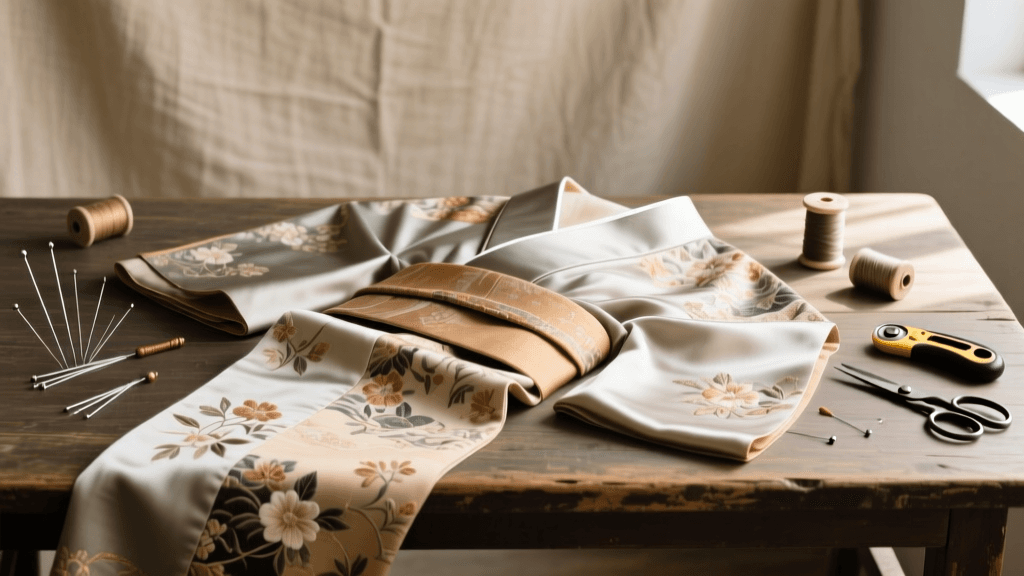
In recent years, the global fashion and interior design communities have witnessed a profound shift toward sustainability and mindful consumption. At the intersection of eco-conscious living and deep cultural appreciation lies the art of kimono upcycling. Vintage Japanese garments, particularly those crafted from exquisite silks, are treasure troves of textile artistry. However, as the number of people wearing traditional kimono in daily life declines, millions of these stunning garments sit unused in closets and storage chests across Japan and the world. By repurposing these textiles, we not only preserve their intricate dyeing and weaving techniques but also give them a vibrant second life in modern homes and wardrobes.
Upcycling a kimono is not merely a crafting project; it is an act of cultural preservation. The straight-line construction of traditional Japanese garments means that the fabric is rarely cut into curved shapes, leaving large, pristine panels of silk that are perfect for modern DIY projects. Whether you are an experienced seamstress or a passionate beginner, transforming vintage kimono silk into contemporary home decor and accessories is a deeply rewarding endeavor.
The Philosophy of Mottainai and Sustainable Fashion
To truly appreciate the practice of kimono upcycling, one must understand the Japanese concept of mottainai. Often translated as 'what a waste,' mottainai conveys a deep sense of regret concerning waste and a profound respect for the resources and labor that go into creating an object. In the context of textiles, it honors the silkworms, the dyers, the weavers, and the artisans who brought the fabric to life.
Modern sustainable fashion movements echo this sentiment. According to the United Nations Environment Programme, the fashion industry is responsible for a significant portion of global wastewater and carbon emissions. By choosing to upcycle vintage textiles rather than purchasing newly manufactured fabrics, DIY enthusiasts actively participate in the circular economy, reducing textile waste and minimizing their environmental footprint while celebrating the unparalleled craftsmanship of Asian textile traditions.
Sourcing and Deconstructing Your Vintage Kimono
Before you can begin sewing, you must source and properly prepare your vintage garments. Thrift stores, online auction sites, and specialized vintage Japanese textile dealers are excellent places to find affordable kimono, haori (jackets), and obi (sashes). Look for garments with vibrant, unfaded colors and minimal staining. Small spots can often be hidden in the seam allowances or worked around in your pattern placement.
Deconstructing a kimono requires patience and a good quality seam ripper. Traditional kimono are assembled using a running stitch, which makes them relatively easy to take apart. Carefully snip the threads along the side seams, sleeves, and collar. Once disassembled, you will be left with several long, rectangular panels: the migoro (main body panels), sode (sleeves), and okumi (front overlap panels). Gently press these panels with a low-heat iron and a pressing cloth to remove creases, avoiding steam if the silk is heavily sized or water-spotted.
Understanding Kimono Silk: A Fabric Guide
Not all kimono silk is created equal. The weaving technique drastically alters the fabric's drape, texture, and suitability for specific DIY projects. The Metropolitan Museum of Art's Asian Art collection highlights the incredible diversity of Japanese textile production, showcasing how different regions and eras favored distinct weaving methods. Below is a comparison chart to help you choose the right vintage fabric for your project.
| Fabric Type | Texture & Weave Characteristics | Best Upcycling Application |
|---|---|---|
| Chirimen (Crepe) | Highly textured, pebbled surface with a beautiful matte finish and excellent drape. Prone to shrinking if exposed to water. | Flowing fashion accessories, scarves, and draped lampshades. |
| Rinzu (Damask) | Smooth, lustrous surface with subtle, tone-on-tone woven patterns. Very delicate and slippery to sew. | Framed textile art, luxury cushion covers, and quilted bed runners. |
| Tsumugi (Pongee) | Woven from spun silk noils, resulting in a slubbed, rustic texture resembling cotton or linen. Highly durable and easy to handle. | Tote bags, table runners, book covers, and everyday apparel. |
| Shibori (Tie-Dye) | Features intricate, three-dimensional gathered patterns created through meticulous hand-tying and dyeing processes. | Statement wall hangings, focal-point throw pillows, and jacket backs. |
DIY Project 1: Luxurious Silk Cushion Covers
Transforming the migoro panels of a vintage kimono into throw pillows is one of the most accessible and impactful upcycling projects. The expansive, unbroken canvas of the body panels allows you to showcase large-scale motifs, such as cranes, cherry blossoms, or geometric yuzen dye patterns.
Materials and Measurements
- Two 20x20 inch squares of kimono silk
- Lightweight fusible interfacing (crucial for stabilizing delicate silk)
- An 18-inch invisible zipper
- Microtex sewing needle (size 70/10) and fine silk thread
Step-by-Step Instructions
First, apply the fusible interfacing to the wrong side of your silk squares using a low-heat iron. This step is non-negotiable; vintage silk can fray and pucker easily, and interfacing provides the necessary structural integrity for home decor. Next, fold and press a half-inch hem along the edges where the zipper will be installed. Sew the invisible zipper into place using a specialized zipper foot. Finally, pin the remaining three sides with right sides together and sew using a 10-12 stitch-per-inch length to prevent the silk from slipping. Turn the cover right side out, insert a high-quality down-alternative pillow form, and place it on your sofa for an instant touch of Kyoto elegance.
DIY Project 2: The Obi Belt Table Runner
The obi is the wide sash used to secure a kimono, often featuring the most opulent and expensive materials in the entire ensemble. Brocaded with metallic gold and silver threads, heavy silk obi are too stiff for clothing but are absolutely perfect for home decor. Because cutting an antique brocaded obi can cause the metallic threads to unravel and destroy the structural integrity of the weave, the best approach is to use it completely intact.
A standard fukuro obi is approximately 12 inches wide and up to 14 feet long, making it an ideal, ready-made table runner. Simply lay the obi flat across your dining table, allowing the most ornate section—the otaiko pattern, which is designed to sit at the back of the wearer—to serve as the centerpiece. To protect the antique silk from spills and friction, place a custom-cut piece of clear acrylic or tempered glass over the runner. This not only preserves the textile but also creates a stunning, museum-like display in your dining room. For a deeper dive into preserving antique Asian textiles in domestic settings, the Victoria and Albert Museum's Asia collections and conservation guidelines offer invaluable advice on protecting light-sensitive dyes and delicate metallic threads from environmental damage.
DIY Project 3: Upcycled Tsumugi Tote Bags
For a project that marries durability with traditional aesthetics, Tsumugi silk is the ultimate choice. Because it is woven from spun silk waste, it possesses a rugged, nubby texture that is far more resilient to the wear and tear of daily use than delicate damask or crepe.
To create a structured tote bag, cut two 15x18 inch rectangles from a Tsumugi panel for the exterior, and two matching rectangles from heavy canvas or linen for the interior lining. Interface the silk pieces to add body. Sew the exterior and interior bags separately, leaving a gap in the lining for turning. Create box corners by pinching the bottom corners of each bag into a triangle and sewing a straight line across, which gives the tote a flat, stable base. Attach sturdy leather or cotton webbing handles to the exterior silk before attaching the lining. The result is a sophisticated, culturally rich everyday bag that sparks conversation wherever you go.
Caring for Your Upcycled Silk Creations
Proper maintenance is essential to ensure your upcycled treasures last for generations. Vintage silk dyes, particularly those used in the early to mid-20th century, can be highly sensitive to alkaline substances and direct sunlight. Never wash vintage kimono silk in a standard washing machine or use harsh chemical detergents. For cushion covers and small accessories, spot cleaning with a damp cloth and a pH-neutral silk wash is recommended. If a deeper clean is required, professional dry cleaning by a specialist who understands antique Asian textiles is the safest route.
When displaying silk items like table runners or wall hangings, keep them out of direct, harsh sunlight to prevent the vibrant natural dyes from fading. By treating these repurposed textiles with care and respect, you honor the mottainai philosophy, ensuring that the legacy of Japanese garment makers continues to weave its way through modern, sustainable living.