The Ultimate Guide to Hanfu Conventions and Community Meetups
Introduction to the Hanfu Community Movement
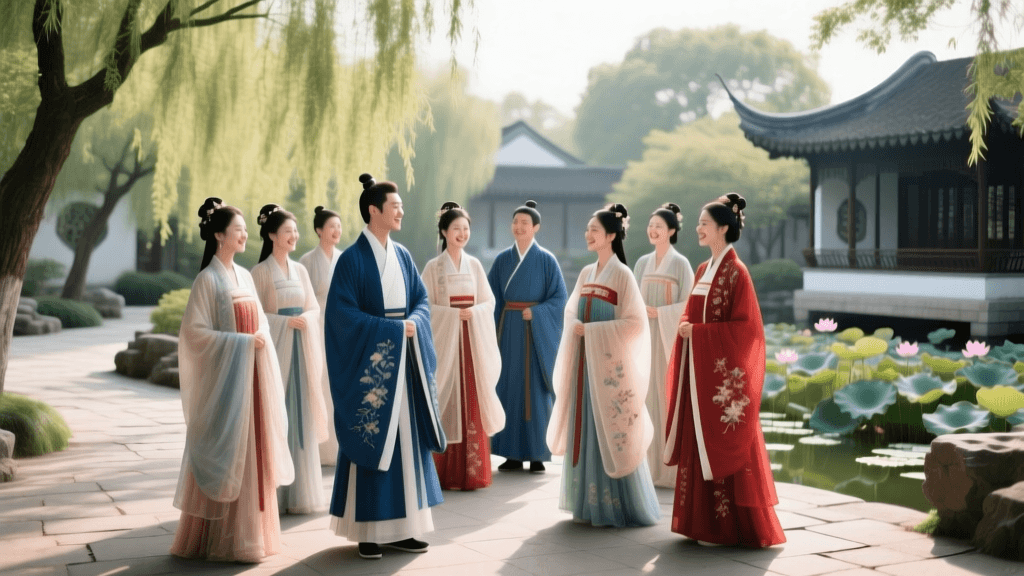
The revival of traditional Chinese clothing has evolved from a niche internet discussion in the early 2000s into a vibrant, global cultural phenomenon. Today, the Hanfu Movement is sustained by a passionate community of enthusiasts who gather to celebrate history, craftsmanship, and traditional aesthetics. For both seasoned wearers and curious newcomers, attending a Hanfu convention or local society meetup is the ultimate way to immerse yourself in this living tradition. These events range from massive, multi-day cultural festivals in historic water towns to intimate, weekend photoshoot groups in urban botanical gardens.
Navigating these events requires more than just owning a beautiful garment; it demands an understanding of community etiquette, practical wardrobe logistics, and event-specific budgeting. Whether you are planning to attend the legendary Xitang Hanfu Culture Week or joining a local city chapter for a tea ceremony, this comprehensive guide will provide the actionable advice you need to participate with confidence and respect.
Types of Hanfu Events: Mega-Conventions vs. Local Meetups
The Hanfu community hosts a wide spectrum of gatherings. Understanding the scale and focus of each will help you choose the right garment, set a realistic budget, and prepare for the physical demands of the day. The ancient water town of Xitang, for example, hosts one of the largest and most famous Hanfu festivals in the world, drawing tens of thousands of attendees for parades, archery, and lantern-lit evening walks.
| Event Type | Scale & Attendance | Average Cost (Weekend) | Best Garment Styles | Vibe & Focus |
|---|---|---|---|---|
| Mega-Conventions (e.g., Xitang Hanfu Week) | Massive (10,000+ attendees) | $250 - $600 USD (Travel, Hotel, Event Pass, Dining) | Ming Dynasty Mamianqun, Tang Dynasty Yuanlingpao | Parades, vendor markets, performances, grand evening lantern walks. |
| Local Society Meetups (City Chapters) | Medium (50 - 300 attendees) | $30 - $80 USD (Venue fee, Tea/Snacks, Local Transit) | Song Dynasty Beizi, lightweight Ruqun, practical daily Hanfu. | Tea ceremonies, traditional games (Touhu), workshops, networking. |
| Niche Photoshoot Groups | Small (5 - 20 attendees) | $50 - $150 USD (Photographer split, Studio/Location fees) | Elaborate ceremonial wear, high-fantasy Xianfu, heavy accessories. | Curated aesthetics, professional photography, specific historical eras. |
Selecting Your Garment by Event Type and Region
Choosing the right Hanfu is a strategic decision based on the event's location, weather, and activities. As noted in extensive cultural coverage by publications like the South China Morning Post, the commercialization and regional diversity of Hanfu mean that enthusiasts must adapt their wardrobes to local climates and event terrains.
Navigating Mega-Conventions (The Jiangnan Water Town Experience)
If you are attending a major convention in a Jiangnan water town like Xitang or Wuzhen, you will be walking extensively on cobblestones and crossing arched stone bridges. Actionable Advice: Avoid floor-sweeping skirts. Opt for a Ming Dynasty Mamianqun (horse-face skirt) tailored to a length of 95cm to 100cm. This ensures the hem clears the ground by about 5cm, preventing it from dragging through mud or getting caught in wooden door thresholds. Pair this with a Daji (cape) for autumn events, which provides warmth without the bulk of modern coats, maintaining historical immersion.
Local Meetups in Southern China (The Lingnan Approach)
For meetups in subtropical regions like Guangzhou or Shenzhen (Lingnan), heat and humidity are the primary adversaries. Heavy silks and layered Ming garments are impractical. Actionable Advice: Embrace Song Dynasty styles. A lightweight ramie or linen Beizi (open-front overcoat) worn over a simple camisole and a pleated skirt offers maximum breathability. Look for garments with a fabric weight under 100g/m². For indoor museum meetups, you can afford slightly more delicate, embroidered silks since climate control and smooth floors eliminate environmental hazards.
Budgeting for a Hanfu Weekend
Attending a Hanfu event involves several cost centers beyond the initial purchase of your clothing. Here is a realistic breakdown for a standard weekend society meetup or a mid-tier convention:
- Garment Rental vs. Purchase: If you are not ready to invest in a full set, renting is highly popular. Expect to pay $40–$80 USD (approx. 300–600 RMB) for a weekend rental of a high-quality, embroidered Ming or Tang set from a specialized convention vendor. This often includes basic hairstyling.
- Professional Hairstyling & Makeup: While many enthusiasts do their own hair, hiring an on-site stylist at a mega-convention typically costs $25–$50 USD. They will use a combination of hairpieces, padding, and your personal Zanzan (hairpins) to create an era-accurate updo.
- Accessories & Props: Budget at least $30 USD for essential props that elevate your convention experience, such as a bamboo parasol, a silk round fan (Tuanshan), or a traditional Xiangnang (fragrance sachet) to hang from your waist belt.
The Ultimate Hanfu Survival Packing List
Traditional garments lack modern conveniences like pockets, zippers, and elastic. To survive a 12-hour convention day, you must pack a specialized 'Hanfu Survival Kit'. Carry these items in a discreet, historically appropriate pouch or a modern bag hidden under a Daji or held by a non-participating friend.
Wardrobe Maintenance & Security
- Double-Sided Fashion Tape (2 rolls): Essential for securing the overlapping collars (Jiaoling) of your Ruqun or keeping the chest band of a Tang-style dress from slipping during active movement.
- Safety Pins (Assorted Sizes): Bring at least 15 large and medium safety pins. They are crucial for temporarily adjusting skirt waists that rely on tying, or securing heavy sleeves out of the way when eating.
- Portable Battery-Operated Steamer: Hanfu fabrics, especially cotton and linen blends, wrinkle easily when sitting. A quick steam in the hotel room before the morning parade is mandatory for crisp pleats on a Mamianqun.
- Lint Roller: Dark-colored robes attract dust and pet hair. A travel-sized lint roller keeps your garments looking pristine for group photos.
Personal Comfort & Styling
- U-Shaped Hairpins (20+ count): The backbone of any traditional updo. Bring extras, as they easily slip out or get lost during windy outdoor parades.
- Strong-Hold Hairspray (50ml travel size): Necessary for taming flyaways and securing heavy wooden or metal hairpins in place.
- Moleskin or Blister Plasters: Traditional embroidered cloth shoes (Xiezi) often lack modern arch support and can cause blisters during long cobblestone walks.
- Crossbody Phone Lanyard: Since Hanfu lacks pockets, wearing a phone lanyard under your outer robe allows you to keep your phone accessible for payments and photos without breaking the historical illusion.
Community Etiquette and the 'Tongpao' Culture
The Hanfu community refers to its members as Tongpao (同袍), a term originating from the ancient Book of Songs meaning 'sharing the same robe,' signifying camaraderie and shared purpose. Respecting this culture is paramount when attending events.
Photography and Consent
Hanfu conventions are highly visual, but it is a strict community norm to always ask for permission before taking close-up photographs of another attendee. While public parades imply general consent for wide crowd shots, approaching an individual who is resting, eating, or adjusting their garment to snap a photo is considered deeply disrespectful. If someone agrees to a photo, it is polite to offer to send them the high-resolution image afterward via social media or a QR code exchange.
Historical Accuracy vs. Fantasy
The community is diverse, encompassing strict historical reconstructionists and fans of fantasy-inspired Xianfu (immortal-style clothing). Never publicly shame or 'correct' another attendee's outfit unless they explicitly ask for advice. Many newcomers mix and match eras or wear mass-market costumes; the community ethos prioritizes encouraging participation and cultural appreciation over gatekeeping historical purity.
Garment Handling
Never touch another person's Hanfu, sleeves, or hairpins without explicit permission. Many attendees wear vintage, hand-embroidered, or delicate silk garments that can be easily snagged by rings or rough hands. Admire the craftsmanship verbally, and ask about the maker or the specific historical era the garment represents to spark a friendly conversation.
Conclusion
Attending a Hanfu convention or local meetup is a deeply rewarding experience that bridges the gap between ancient textile arts and modern community building. By selecting the appropriate garment for your environment, packing a strategic survival kit, and embracing the respectful camaraderie of the Tongpao culture, you ensure that your participation honors the rich heritage of traditional Chinese clothing. Whether you are walking the lantern-lit bridges of Xitang or sharing tea in a local park, you are actively weaving yourself into the ongoing story of the Hanfu revival.