Upcycle Vintage Kimono Silk: DIY Fashion and Home Decor Guide
The Philosophy of Mottainai and Circular Fashion
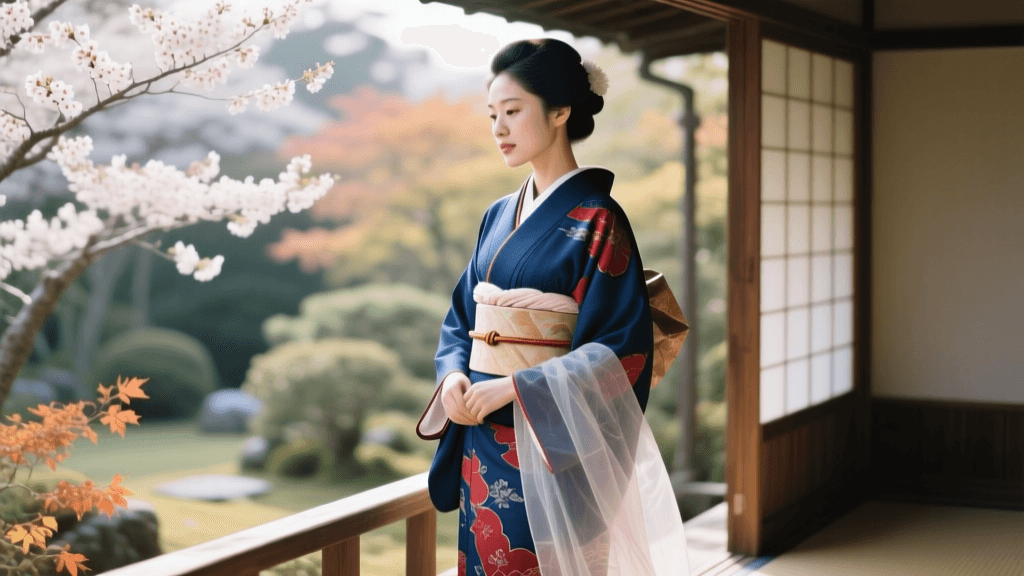
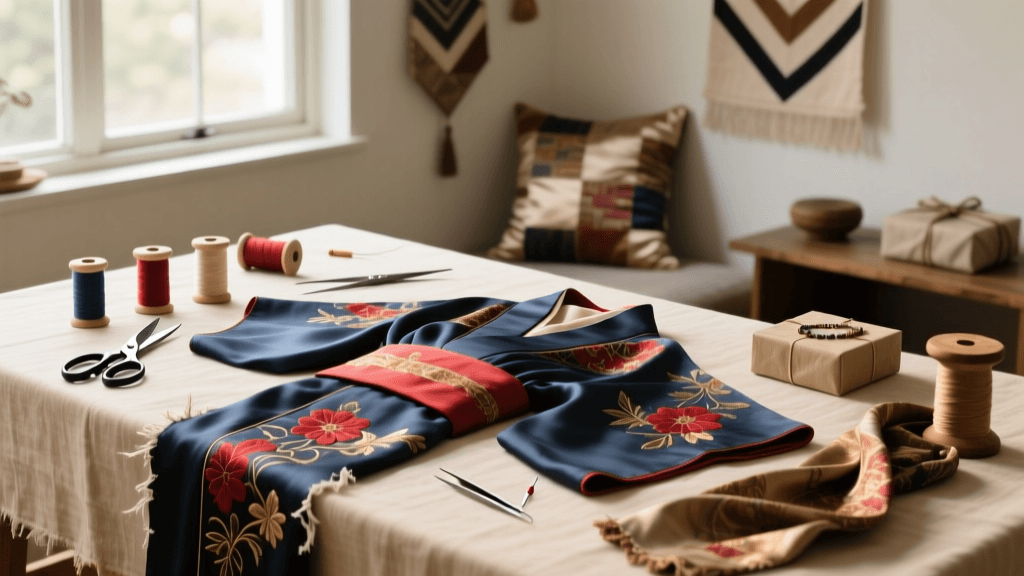
In Japan, the concept of mottainai translates roughly to 'what a waste,' expressing a deep sense of regret concerning waste and a profound respect for the resources and craftsmanship that go into creating objects. When applied to traditional garments, this philosophy encourages us to honor the incredible artistry of kimono silk rather than letting it languish in dark cedar closets. Today, millions of vintage kimono, haori, and obi sit unworn in Japanese homes, often passed down through generations but rarely worn due to the complex dressing techniques and changing modern lifestyles. By embracing the principles of circular fashion, we can breathe new life into these exquisite textiles. According to the Ellen MacArthur Foundation, transitioning to a circular economy in fashion is vital for reducing the industry's massive environmental footprint. Upcycling vintage kimono silk not only keeps precious materials out of landfills but also preserves the cultural heritage embedded in every thread.
Sourcing and Preparing Vintage Kimono Silk
Before you begin cutting or sewing, proper preparation of the vintage silk is crucial. Vintage kimono are typically constructed from long, continuous bolts of fabric called tanmono, which are cut into straight panels and sewn together using simple running stitches. This makes them incredibly easy to deconstruct. To begin, use a high-quality seam ripper to carefully unpick the stitches. Avoid cutting the fabric; instead, gently pull the threads free to preserve the maximum width and length of the silk panels. Once deconstructed, the silk must be cleaned. Vintage silk, especially chirimen (crepe silk), can shrink or lose its texture if washed improperly. Hand wash the panels in cold water using a pH-neutral detergent like Orvus Paste or a specialized silk wash. Do not wring or twist the fabric. Instead, roll the wet silk in a clean, dry towel to absorb excess moisture, then lay it flat to dry. Finally, press the silk on the lowest heat setting using a pressing cloth to prevent scorching or water spots. For highly valuable or antique silks, such as those utilizing the UNESCO-recognized Yuki-tsumugi weaving technique, professional dry cleaning is highly recommended to preserve the structural integrity of the fibers.
Project Selection Guide Based on Silk Condition
Not all vintage kimono are in pristine condition. Assessing the fabric's state will help you determine the most suitable upcycling project. Below is a structured guide to help you match the silk's condition with the right DIY endeavor.
| Silk Condition | Recommended Project | Difficulty Level | Estimated Time |
|---|---|---|---|
| Pristine, vibrant, no stains or tears | Haori Open Cardigan or Wearable Top | Advanced | 6 to 8 Hours |
| Minor stains on hem or collar, strong fabric | 18-inch Luxury Cushion Covers | Beginner | 2 to 3 Hours |
| Overall fading, delicate fabric, small tears | Silk Infinity Scarf or Hair Accessories | Intermediate | 3 to 4 Hours |
| Heavily stained, fragmented panels | Patchwork Quilt or Framed Textile Art | Advanced | 10+ Hours |
Project 1: The Modern Silk Infinity Scarf and Obijime Hair Ties
If your kimono silk features beautiful overall patterns but has suffered some fading or minor damage near the hem, an infinity scarf is an elegant solution. The back panels and sleeve panels (sode) provide the largest continuous areas of fabric. Measure and cut a rectangle that is 10 inches wide and 60 inches long. If you need to piece two panels together, use a French seam to enclose the raw edges, ensuring a clean finish on both sides of the scarf. To create the infinity loop, fold the fabric in half lengthwise with the right sides facing each other. Sew along the long edge with a 1/4 inch seam allowance, then turn the tube right side out using a loop turner. Hand-stitch the ends together using a blind slip stitch for an invisible finish. For the leftover scraps, cut 2-inch wide strips on the bias, fold them inward, and sew them into tubes to create luxurious silk hair ties or obijime-inspired braided belts. Bias cutting allows the woven silk to stretch and conform beautifully to the hair or waist.
Project 2: Upcycling a Haori into a Modern Open Cardigan
The haori is a traditional hip- or thigh-length kimono-style jacket, and its loose, straight-line construction makes it an ideal candidate for modern outerwear. To transform a vintage haori into a contemporary open cardigan, you will need to alter the front panels and the sleeves. First, remove the inner front lining panels (maemigoro) which often feature contrasting silk; these can be saved for future projects. Next, address the sleeves. Traditional haori sleeves feature a deep, open underarm curve and a squared-off bottom. To modernize the silhouette, pin the underarm curve into a shallower, more fitted armhole, and taper the bottom of the sleeve into a gentle bell shape. Sew along your pinned lines and trim the excess fabric, finishing the raw edges with a serger or a zigzag stitch. To give the cardigan structure, apply a lightweight fusible interfacing to the front lapels and the hem. Finally, topstitch the front edges and hem using a 100% silk thread and a microtex needle to maintain the drape of the garment. The result is a stunning, one-of-a-kind layering piece that bridges the gap between traditional Japanese tailoring and modern minimalist fashion. The historical significance of these garments, often documented in global archives like the Victoria and Albert Museum's Asian collections, adds a profound layer of storytelling to your wardrobe.
Project 3: Luxury Back-Panel Cushion Covers
The back panel of a kimono, particularly the lower half, is often the most pristine and visually striking part of the garment, as it is protected from the friction of sitting and the wear of the collar. This makes it perfect for high-end home decor. To create an 18x18 inch envelope-style cushion cover, you will need one 19x19 inch square for the front panel and two 19x14 inch rectangles for the overlapping back panels. Because kimono silk is often lightweight and slippery, it is highly recommended to block-fuse the silk to a lightweight cotton batting or a woven interfacing before cutting. This stabilizes the fabric, prevents fraying, and gives the finished cushion a luxurious, substantial feel. Cut your stabilized fabric to the specified dimensions. Hem one long edge of each back rectangle using a narrow rolled hem. Lay the front panel face down, then place the two back rectangles face up on top of it, aligning the raw edges and overlapping the hemmed edges in the center. Pin securely and sew around the entire perimeter with a 1/2 inch seam allowance. Trim the corners diagonally to reduce bulk, turn the cover right side out, and insert a high-quality down-alternative cushion insert. These cushions instantly elevate a living space, introducing rich textures and intricate motifs like cranes, pine trees, or seasonal florals into modern interiors.
Essential Tools and Sewing Specifications
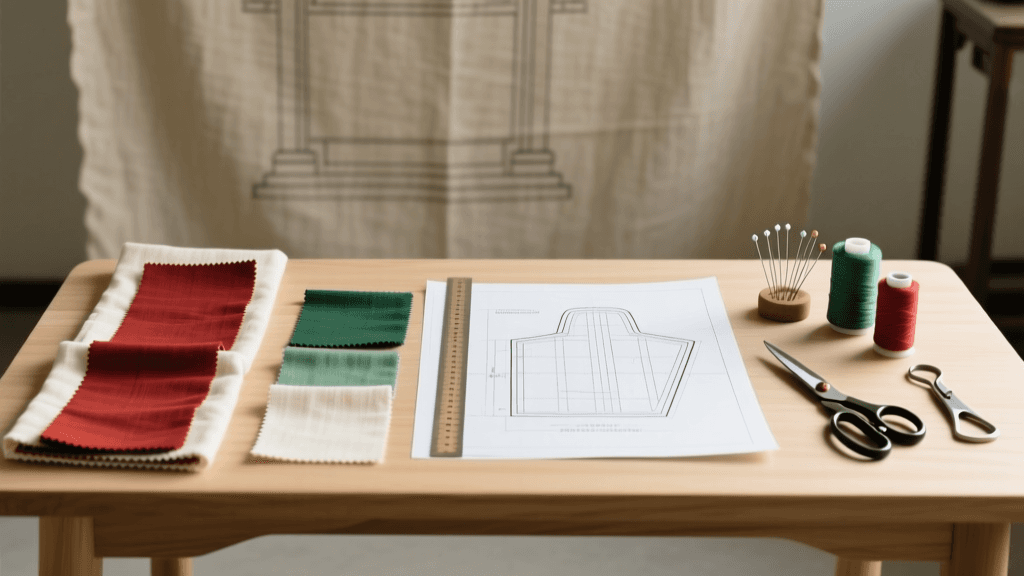
Working with vintage silk requires specific tools to prevent snags, puckering, and damage. Standard universal needles will often catch on the delicate weave of chirimen or rinzu (silk satin). Always use Microtex or Sharp needles in sizes 60/8 or 70/10. These needles have a very slim, acute point that slips between the silk threads rather than piercing and breaking them. For thread, avoid cheap cotton which can shrink and pucker the seams; instead, opt for 100% silk thread or a high-quality, long-staple polyester thread like Gutermann Mara 100. Set your sewing machine to a slightly shorter stitch length, around 2.0mm to 2.2mm, which provides better control and prevents the fabric from shifting. When cutting silk, lay the fabric on a cutting mat and use a rotary cutter rather than shears; the rotary blade prevents the slippery silk from shifting and lifting off the table, ensuring perfectly straight, accurate cuts. Use fine, sharp pins or silk clips to hold layers together, placing them only within the seam allowance to avoid leaving permanent holes in the visible areas of the garment.
Caring for Your Upcycled Silk Creations
Once you have successfully repurposed your vintage kimono, proper maintenance is essential to ensure its longevity. Silk is a protein fiber, similar to human hair, and is highly sensitive to heat, harsh chemicals, and prolonged exposure to direct sunlight, which can cause the dyes to fade and the fibers to become brittle. Store your upcycled garments and cushions in a cool, dry place, ideally inside breathable cotton garment bags rather than plastic, which can trap moisture and lead to mildew. If your silk scarf or cardigan requires cleaning, hand wash it gently in cold water with a specialized silk detergent, and never wring it out. For structured items like the haori cardigan or cushion covers, spot cleaning with a damp cloth and mild soap is usually sufficient. By treating these upcycled pieces with care and respect, you are not only practicing sustainable fashion but also acting as a custodian of Asian textile traditions, ensuring that the beauty and craftsmanship of the original artisans continue to be appreciated in the modern world.