Xin Zhongshi: Building a New Chinese Style Capsule Wardrobe
The Rise of Xin Zhongshi: Redefining Modern Elegance
In recent years, the global fashion landscape has witnessed a profound shift as younger generations reconnect with their cultural heritage. At the forefront of this movement in China is Xin Zhongshi, or 'New Chinese Style.' Unlike the strict historical accuracy demanded by the traditional Hanfu movement, Xin Zhongshi is a contemporary fashion trend that seamlessly integrates traditional Chinese design elements—such as frog buttons, stand collars, and heritage brocades—into modern, everyday silhouettes. According to industry analysis by Jing Daily, this trend has exploded on platforms like Xiaohongshu and Douyin, driven by Gen Z consumers who desire cultural pride without sacrificing daily practicality.
Building a Xin Zhongshi capsule wardrobe is not about wearing a costume; it is about curating a sophisticated, versatile collection that bridges the gap between ancient artistry and modern minimalism. This guide will walk you through the essential garments, fabrics, and styling ratios required to master the New Chinese Style for everyday wear.
The 80/20 Rule of New Chinese Style
The golden rule of Xin Zhongshi is the 80/20 ratio. To avoid looking like you are wearing a theatrical costume or a hotel uniform, your outfit should consist of 80% modern, contemporary basics and 20% traditional Chinese elements.
'The true elegance of New Chinese Style lies in its subtlety. It is the whisper of a silk brocade lapel against a crisp cotton t-shirt, or the structural pleats of a Ming Dynasty skirt paired with a chunky knit sweater.' — Contemporary Asian Fashion Critique
By anchoring your look with modern staples like tailored denim, cashmere knits, and minimalist leather footwear, the traditional elements are elevated from historical artifacts to striking, avant-garde fashion statements. As noted by the South China Morning Post, this hybrid approach is precisely what has allowed Xin Zhongshi to transition from niche internet subcultures into mainstream luxury and high-street fashion.
Your Xin Zhongshi Capsule Wardrobe Checklist
Below is a structured breakdown of the essential pieces you need to build a functional, year-round New Chinese Style capsule wardrobe. Prices are estimated based on mid-tier, quality heritage brands and independent designers.
| Garment Type | Traditional Element | Modern Styling Pairing | Est. Cost (USD) |
|---|---|---|---|
| Mamianqun (Horse-Face Skirt) | Ming Dynasty structural pleats, woven metallic motifs | White ribbed turtleneck, leather ankle boots, denim jacket | $80 - $250 |
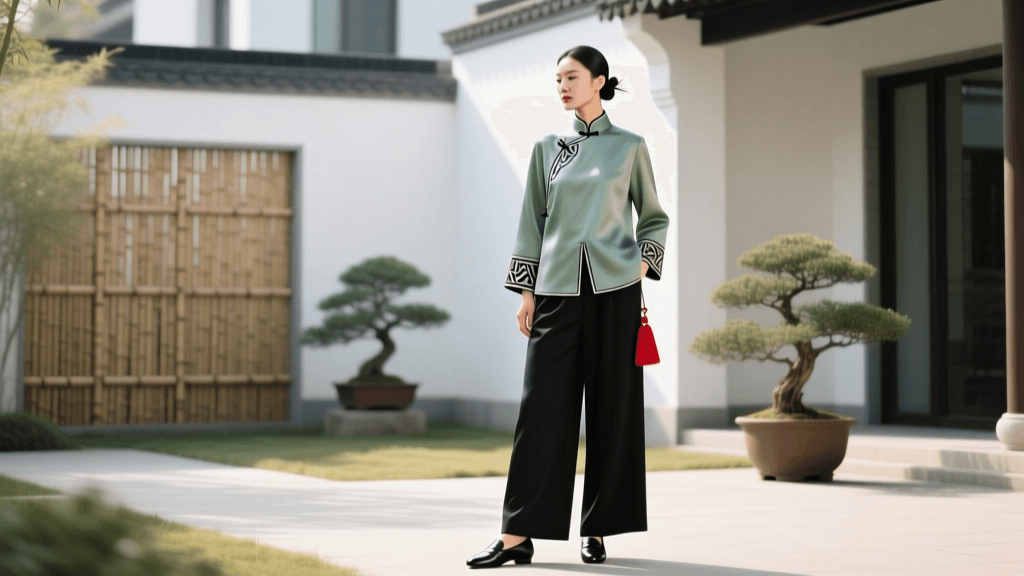
| Pankou Outerwear | Hand-knotted frog buttons, mandarin collar | Wide-leg trousers, minimalist sneakers, silk camisole | $120 - $300 |
| Song-Style Beizi (Jacket) | Straight collar, side slits, lightweight silk/linen | Jeans, plain white tee, loafers (worn open as a duster) | $90 - $200 |
| Xiangyunsha Blouse | Gambiered Canton gauze, natural mud-dye patina | Tailored suit trousers, modern blazer, pearl accessories | $150 - $400 |
1. The Everyday Mamianqun (Horse-Face Skirt)
The Mamianqun is arguably the most recognizable and versatile garment in the Xin Zhongshi wardrobe. Originating in the Ming Dynasty, this wrap skirt features flat front and back panels with heavily pleated sides. For a modern capsule wardrobe, opt for a mid-calf length (approximately 85cm) in a solid color or subtle damask weave, rather than the heavily embroidered, floor-sweeping versions reserved for festivals.
Styling Advice: Pair a dark navy or emerald green Mamianqun with a fitted, modern cashmere sweater tucked into the waistband. The contrast between the luxurious, historical pleats and the cozy, contemporary knitwear creates a striking visual balance. Finish the look with a sleek leather belt featuring a subtle jade or brass clasp.
2. Pankou (Frog Button) Outerwear
Pankou are intricately knotted fabric buttons that have been used in Chinese clothing for centuries. In the New Chinese Style movement, designers are applying Pankou to decidedly modern garments, such as cropped denim jackets, oversized wool trench coats, and structured blazers.
Actionable Tip: When shopping for Pankou outerwear, look for garments where the buttons are functional and made from the same high-quality fabric as the garment itself, rather than cheap synthetic imitations. A wool-blend coat with subtle, tonal Pankou closures offers a sophisticated alternative to the standard double-breasted trench, perfect for transitional autumn weather.
3. The Modernized Beizi (Song Dynasty Jacket)
The Beizi is a traditional jacket characterized by its straight collar, front opening, and high side slits. Historically worn as an outer layer by both men and women during the Song Dynasty, the modernized Beizi functions similarly to a longline cardigan or duster coat.
Styling Advice: Choose a Beizi crafted from washed linen or raw silk. Wear it unbuttoned over a simple white t-shirt and straight-leg jeans. The side slits provide excellent mobility, while the straight collar adds an architectural, elegant frame to the face and neck.
Mastering Traditional Chinese Color Theory
To truly capture the essence of Xin Zhongshi, one must look beyond standard black, white, and navy. Traditional Chinese color theory is deeply rooted in nature, poetry, and the five elements. Incorporating these hues into your capsule wardrobe instantly elevates the cultural resonance of your outfits.
- Tianqing (Sky Blue): A pale, ethereal blue reminiscent of the sky after rain. Pairs beautifully with silver jewelry and grey wool.
- Yuebai (Moon White): Not a pure white, but a very pale, cool-toned blue-white. Ideal for silk blouses and inner layers.
- Zhuanshu (Cinnabar Red): A deep, earthy red that is far more sophisticated and wearable than bright crimson. Perfect for winter Mamianqun or Pankou cardigans.
- Yahei (Crow Black): A rich, warm black with subtle brown undertones, offering a softer alternative to harsh, synthetic blacks.
Investing in Heritage Fabrics
The tactile experience of New Chinese Style is just as important as the visual silhouette. The movement has sparked a renaissance in heritage textile production. According to Vogue Business, luxury consumers are increasingly seeking out authentic, sustainably produced Asian textiles.
Xiangyunsha (Gambiered Canton Gauze): Often referred to as 'soft gold,' this silk is dyed using the juice of the yam plant and coated with iron-rich river mud, then baked in the sun. It is naturally antibacterial, water-resistant, and develops a beautiful, crackled patina over time. A Xiangyunsha top is a worthwhile investment piece for a capsule wardrobe, offering unparalleled breathability in summer.
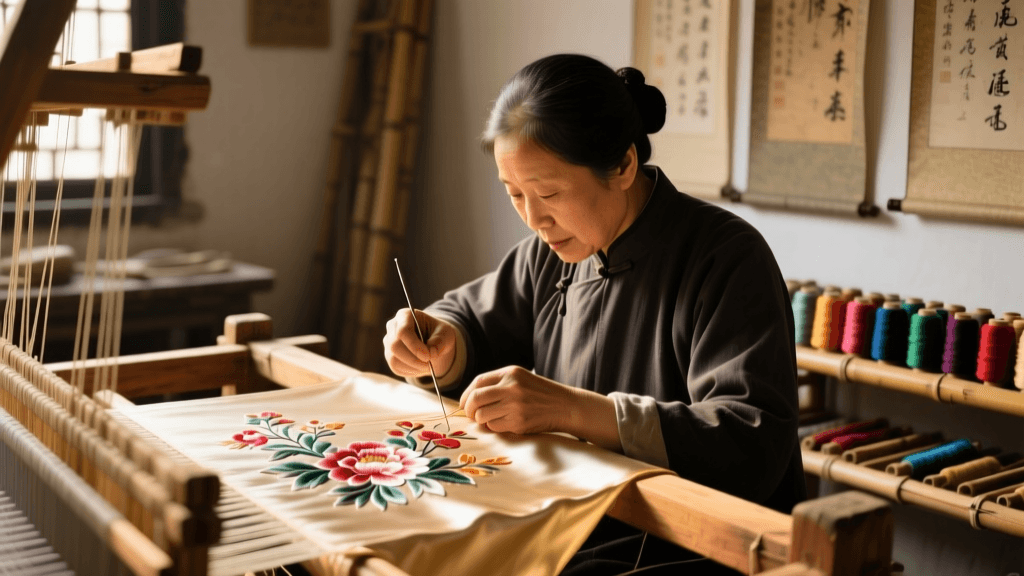
Song Brocade (Song Jin): Known for its intricate, multi-colored geometric and floral patterns, Song Brocade is traditionally used for mounting scrolls. In Xin Zhongshi, it is used sparingly—as lapels, cuffs, or structural panels on jackets—to add a touch of opulence without overwhelming the modern silhouette.
Garment Care for Delicate Textiles
Maintaining the integrity of heritage fabrics requires specific care routines. Improper washing can ruin the structural pleats of a Mamianqun or strip the natural dyes from Xiangyunsha.
- Mamianqun Pleat Maintenance: Never wring or machine-wash a pleated horse-face skirt. Hand wash gently in cold water with a pH-neutral silk detergent. After washing, roll the skirt in a clean towel to absorb excess water, then hang it to dry. Use wooden clips to secure the pleats while drying to maintain their sharp, structural lines.
- Xiangyunsha Care: This fabric should rarely be washed. Spot clean when possible. If a full wash is necessary, use cool water and avoid all alkaline detergents, which will react with the iron-mud dye and cause discoloration. Never iron Xiangyunsha directly; use a steamer on a low setting.
- Storage: Store silk and brocade garments in breathable cotton garment bags. Avoid plastic, which traps moisture and can lead to mildew. For Pankou garments, ensure the knotted buttons are unfastened during long-term storage to prevent the fabric loops from stretching out of shape.
Conclusion
The Xin Zhongshi movement is more than a fleeting fashion trend; it is a profound cultural dialogue between the past and the present. By carefully selecting versatile garments like the Mamianqun and Pankou outerwear, embracing traditional color palettes, and respecting the heritage textiles that define the style, you can build a capsule wardrobe that is both deeply meaningful and effortlessly modern. As you curate your collection, remember the 80/20 rule: let your modern lifestyle dictate the silhouette, and let Chinese heritage provide the soul.