The Art of Kimono Layering: Essential Undergarments Guide
Introduction to the Kimono Layering System
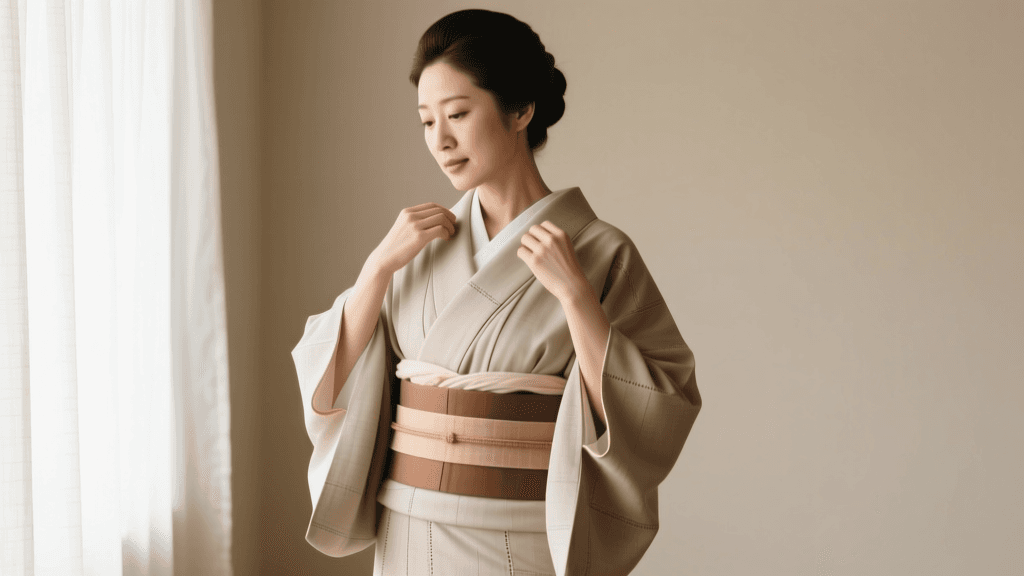
The traditional Japanese kimono is globally recognized for its stunning textiles, intricate motifs, and elegant silhouettes. However, what is often hidden beneath the vibrant silk is a complex, highly structured system of undergarments and layering techniques. In Japanese, these foundational garments are collectively referred to as shitagi (undergarments). Far from being mere afterthoughts, these layers are critical for protecting the delicate outer garments from sweat and oils, creating the ideal cylindrical silhouette, and ensuring the wearer’s comfort throughout the day.
Understanding the architecture of kimono dressing is essential for anyone looking to wear traditional Japanese attire authentically. According to the Victoria and Albert Museum's Asian textile archives, the evolution of the kimono from the Edo period to the modern era saw a shift from heavy, multi-layered court robes to the streamlined, single-layer outer garment we recognize today, making the underlying support system more important than ever. This guide will break down the essential kimono undergarments, provide practical measurements and costs, and offer a step-by-step layering sequence.
The Innermost Foundation: Hadajuban and Susoyoke
The first layer of defense between your skin and the expensive outer silk is the innermost foundation. This layer is designed for moisture absorption and skin protection.
Hadajuban (The Undershirt)
The hadajuban is a lightweight, short-sleeved undershirt. It is typically made from breathable cotton, bamboo blends, or washable silk. Its primary purpose is to absorb perspiration, preventing it from reaching the outer kimono, which can be difficult or expensive to clean. Modern hadajuban often feature a deep V-neck to ensure the neckline remains hidden beneath the outer collar.
- Measurements: Usually available in standard sizes (M, L, LL), with a length of approximately 60-70 cm.
- Cost: $20 to $40 USD.
- Care: Machine washable (cotton/bamboo) or gentle hand wash (silk).
Susoyoke (The Under-Wrap)
The susoyoke is a wrap-around skirt worn over the hips and legs. Traditionally, women wore a susoyoke instead of modern underwear to prevent visible panty lines and bulkiness, which would disrupt the smooth, cylindrical drape of the kimono. Today, many wearers opt for seamless, low-rise underwear paired with a susoyoke, or they use a modern one-piece alternative known as a kimono slip.
- Measurements: Length is typically 90-100 cm, wrapping fully around the hips.
- Cost: $20 to $45 USD.
The Core Shaping Layer: Nagajuban and Han-Eri
The nagajuban (long under-kimono) is the most critical layer for shaping and aesthetics. It is worn over the hadajuban and susoyoke but beneath the outer kimono. While mostly hidden, the collar of the nagajuban is intentionally left visible at the neckline, framing the face and adding a layer of depth to the outfit.
The Nagajuban Body
Nagajuban can be made of silk for formal occasions, or polyester and cotton for casual wear and practice. The body of the nagajuban provides a smooth base for the outer kimono to glide over, reducing friction and static.
- Cost: $50 for basic polyester; $150 to $300+ for formal silk.
The Han-Eri (Detachable Collar)
The han-eri is a decorative, detachable collar that is basted or pinned onto the nagajuban. Because the neck area is prone to makeup and sweat stains, the han-eri can be easily removed and washed or replaced. For formal wear, a crisp white silk han-eri is mandatory. For casual wear, patterned or embroidered han-eri are used to express personal style.
- Measurements: Approximately 110 cm long and 20 cm wide, folded in half to create a 10 cm visible band.
- Cost: $15 to $80 USD, depending on embroidery and material.
Essential Accessories for Shaping and Securing
The ideal kimono silhouette is tubular, minimizing the natural curves of the waist, hips, and bust. Achieving this requires specific padding and tying accessories.
Padding and Shaping
- Hip Pads (Koshimaki / Hip Pad): Worn around the waist and hips to fill in the dip of the lower back and create a straight line. Standard pads measure about 20x30 cm and cost around $25.
- Tenugui (Cotton Towels): Many professional dressers use standard cotton towels (approx. 35x90 cm, costing $10-$15 each) wrapped around the waist to customize the padding for the wearer's specific body shape.
- Kimono Bra: A specialized minimizing bra or a simple sports bra is worn to flatten the bust. Push-up bras must be strictly avoided as they cause the kimono collar to gape open.
Ties and Belts
- Koshihimo: These are thin, long ties (approx. 110 cm long, 3 cm wide) used to secure the nagajuban and the outer kimono in place. A complete dressing session requires 3 to 5 koshihimo. A set of three costs about $15.
- Datejime: A wide belt (approx. 8-10 cm wide) tied over the koshihimo to secure the nagajuban and provide a smooth, flat base for the outer obi. Cost: $15-$30.
- Korin Belt: A modern, highly recommended tool for beginners. It is an elastic band with clips that easily secures the nagajuban collar in place without the need for complex tying. Cost: $10-$15.
Comparison: Traditional vs. Modern Undergarments
As kimono wearing has evolved, so have the materials used for undergarments. The following table compares traditional materials with modern alternatives.
| Garment | Traditional Material | Modern Alternative | Maintenance Level | Average Cost |
|---|---|---|---|---|
| Hadajuban | White Silk | Cotton / Bamboo Blend | Low (Machine Washable) | $20 - $40 |
| Nagajuban | Crepe Silk (Chirimen) | Polyester / Washable Synthetics | Low to Medium | $50 - $200 |
| Han-Eri | Silk with Hand-Embroidery | Polyester / Lace / Mesh | Low (Spot Clean) | $15 - $60 |
| Datejime | Woven Silk / Cotton | Elasticized Velcro Bands | Low | $15 - $30 |
Seasonality in Undergarments
Just as the outer kimono changes with the seasons, the undergarments must also adapt to the climate. Historical examples in the Metropolitan Museum of Art's Asian collection reveal that Edo-period elites possessed vast wardrobes of seasonal under-layers.
- Winter (November - March): Wearers opt for awase (lined) nagajuban made of thicker silk or padded cotton to provide warmth. Thermal modern under-layers are also common today.
- Spring/Autumn (April, May, October): Unlined (hitoe) nagajuban made of medium-weight silk or cotton are standard.
- Summer (June - September): Breathability is paramount. Wearers switch to ro (sheer) or sha (gauze) woven nagajuban. Modern cool-tech polyester that wicks moisture and feels cool to the touch is highly popular for summer festivals.
Step-by-Step Layering Sequence
For comprehensive cultural guidelines, the Japan National Tourism Organization notes that proper dressing is a respected skill in Japan, often taught in specialized schools. Here is the foundational sequence for dressing:
- Prep the Base: Put on the kimono bra, hadajuban, and susoyoke (or one-piece slip).
- Shape the Body: Wrap hip pads and towels around the waist to create a cylindrical silhouette. Secure with a koshihimo.
- Don the Nagajuban: Slip your arms into the nagajuban. Align the center seam with your spine.
- Secure the Collar: Cross the left side over the right (always left over right for the living). Use a Korin belt or koshihimo to secure the collar tightly at the waist, ensuring the back neckline is pulled down slightly to expose the nape of the neck.
- Apply the Datejime: Tie the wide datejime over the koshihimo to flatten the bust and waist area.
- Prepare for the Outer Kimono: Adjust the sleeves of the nagajuban so they sit neatly inside the sleeves of the outer kimono. You are now ready for the outer garment and obi.
Care and Maintenance
Proper care of your undergarments extends the life of your entire kimono wardrobe. Always air out your nagajuban and hadajuban immediately after wearing. Hang them on a wide kimono hanger in a shaded, well-ventilated area for at least 24 hours before folding. Never fold damp garments, as this will cause mildew on silk layers. Detach the han-eri after every wear to wash away foundation and skin oils, ensuring your collar remains pristine for the next occasion.