Guide To China's Top Hanfu And Textile Heritage Museums
Exploring the Roots of Hanfu: A Journey Through China's Textile Museums
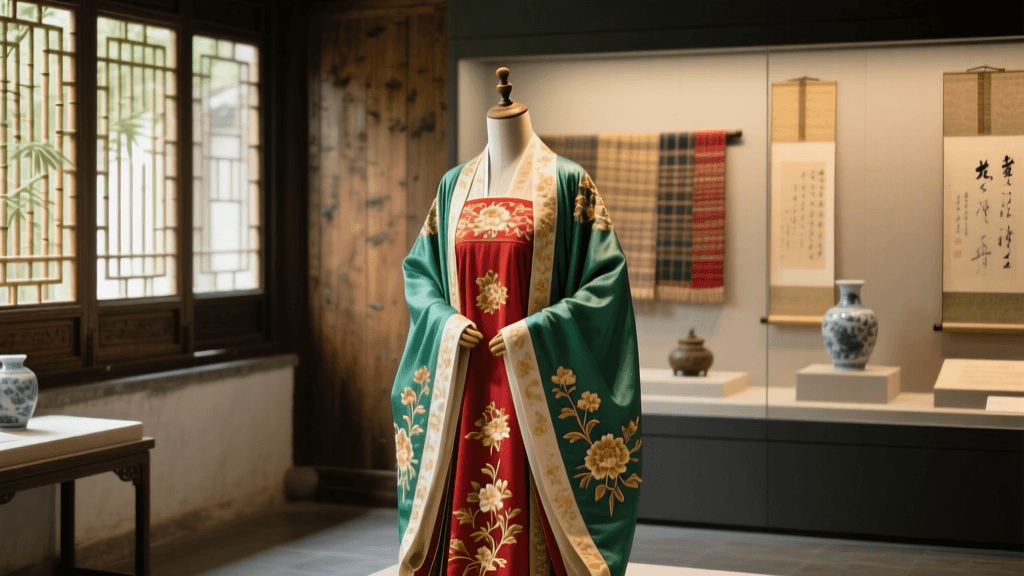
The modern Hanfu revival movement (Hanfu Yundong) has transformed traditional Chinese clothing from a niche historical interest into a vibrant, everyday cultural expression. However, to truly understand the structural brilliance, seasonal fabric choices, and intricate layering of garments like the Mamianqun (horse-face skirt) or the Yunjian (cloud shoulder), one must look beyond e-commerce and social media. The true guardians of these sartorial traditions are China's world-class textile and silk museums. These institutions not only preserve fragile, centuries-old garments but also serve as living heritage sites where ancient weaving techniques are kept alive.
For cultural travelers, historians, and Hanfu enthusiasts, visiting these museums offers an unparalleled opportunity to study the drape of Song dynasty pleated skirts, the metallic threads of Ming dynasty dragon robes, and the sheer gauzes of the Han dynasty. This comprehensive guide will walk you through the most important Hanfu and textile heritage sites in China, providing practical advice, historical context, and essential travel logistics.
Top Hanfu and Silk Heritage Museums You Must Visit
1. China National Silk Museum (Hangzhou)
Located near the scenic West Lake, the China National Silk Museum (CNSM) is the largest silk museum in the world and a foundational pilgrimage site for anyone studying traditional Chinese garments. The museum's permanent exhibition, 'Splendor of Silk,' traces the evolution of sericulture and garment construction over 5,000 years.
For Hanfu researchers, the highlight is the conservation laboratory and the archaeological textile gallery. Here, you can view remarkably preserved fragments unearthed from sites like the Mawangdui Han Dynasty tombs. The famous plain gauze gown, weighing a mere 49 grams, demonstrates the astonishing lightness and breathability of ancient summer fabrics. The museum frequently hosts temporary exhibitions focusing on specific dynastic dress codes, offering 3D structural breakdowns of how traditional undergarments (Zhongyi) and structural layering were utilized to achieve the distinct silhouettes of different eras.
2. Nanjing Yunjin Brocade Museum
Nanjing Yunjin, or 'cloud brocade,' represents the pinnacle of imperial textile craftsmanship. Historically reserved for the imperial family and high-ranking officials during the Ming and Qing dynasties, Yunjin is characterized by its vibrant colors and extensive use of gold and silver threads. The Nanjing Yunjin Brocade Museum is dedicated entirely to this luxurious fabric, which was historically used to craft formal court robes and elaborate Hanfu accessories.
The museum's most captivating exhibit is the operational wooden drawloom. These massive, two-story looms require two artisans to operate simultaneously: a 'drawboy' sitting at the top to pull the warp threads according to a complex mnemonic song, and a weaver at the bottom passing the shuttle. This painstaking technique is so culturally significant that it was inscribed on the UNESCO Intangible Cultural Heritage registry. Observing this process provides profound insight into why authentic, hand-woven Yunjin Hanfu garments command such high prices in today's market.
3. Suzhou Silk Museum
Suzhou has been the epicenter of China's silk trade for centuries, renowned for its Song brocade and Su embroidery. The Suzhou Silk Museum offers a more intimate, garden-like setting compared to the massive national institutions. It excels in showcasing the delicate, artistic side of traditional garments. Visitors can examine the intricate embroidery techniques used to adorn Bijia (vests) and Pibo (shawls), which were essential components of women's formal and festival wear in the Tang and Song dynasties.
The museum also highlights the transition of silk from a closely guarded state secret to a global commodity. As noted in the Metropolitan Museum of Art's Heilbrunn Timeline of Art History, Chinese silk was not merely a fabric but a primary medium of artistic expression and a cornerstone of the ancient Silk Road economy. The Suzhou museum contextualizes how regional climates influenced the weight and weave of these exported and domestically consumed garments.
4. Chengdu Shu Brocade Museum
Traveling westward to Sichuan province, the Chengdu Shu Brocade Museum focuses on the oldest of China's four famous brocades. Shu brocade dates back to the Three Kingdoms period and is known for its durable, tightly woven structure and bold, geometric patterns. This museum is essential for understanding the regional variations in Hanfu. While the Yangtze River Delta favored light, flowing silks, the mountainous, humid climate of Sichuan necessitated different textile approaches. The museum features working looms and a vibrant retail section where visitors can purchase authentic Shu brocade fabric for custom Hanfu tailoring.
Museum Comparison Chart: Planning Your Itinerary
To help you plan your cultural heritage tour, below is a structured comparison of these premier institutions, including logistical details and primary areas of focus.
| Museum Name | Location | Primary Textile Focus | Est. Ticket Cost (CNY) | Best Season to Visit |
|---|---|---|---|---|
| China National Silk Museum | Hangzhou, Zhejiang | Comprehensive Silk History, Archaeological Garments | Free (Reservation required) | Spring (April-May) & Autumn (Sept-Oct) |
| Nanjing Yunjin Museum | Nanjing, Jiangsu | Imperial Cloud Brocade, Drawloom Weaving | Free (ID/Passport required) | Autumn (October-November) |
| Suzhou Silk Museum | Suzhou, Jiangsu | Song Brocade, Su Embroidery, Sericulture | ~20 CNY | Spring (March-April) |
| Chengdu Shu Brocade Museum | Chengdu, Sichuan | Shu Brocade, Ancient Loom Technology | ~30 CNY | Autumn (Sept-Nov) & Winter |
Practical Guide: Navigating Your Heritage Tour
Visiting museums in China requires some advance preparation, particularly regarding digital infrastructure and local customs. Here is actionable advice to ensure a smooth and enriching experience.
Booking and Entry Protocols
Most major Chinese museums, including the China National Silk Museum, require advance reservations. This is typically done via WeChat (Weixin) Mini Programs. Foreign visitors must bring their physical passports, as automated entry gates often only read Chinese National ID cards. If you cannot navigate the Chinese-language Mini Programs, ask your hotel concierge to assist with the booking 3 to 5 days in advance, as weekend slots fill up rapidly.
Photography and Hanfu Etiquette
Many Hanfu enthusiasts visit these museums wearing traditional garments to photograph themselves alongside historical artifacts. While this is generally celebrated as cultural appreciation, strict rules apply:
- Flash and Tripods: Flash photography is universally banned to protect fragile, light-sensitive silk dyes. Tripods and large reflectors are usually prohibited in exhibition halls to prevent congestion.
- Dress Code Accuracy: If you are participating in a museum-sponsored 'Hanfu Day' (which often grants free or discounted entry), ensure your garment adheres to historical accuracy. Avoid modern fantasy adaptations or theatrical costumes, as curators and fellow enthusiasts highly value structural authenticity.
- Touching Artifacts: Never touch the textiles or the wooden looms unless explicitly invited by an artisan during a demonstration. The oils from human hands can rapidly degrade ancient silk fibers.
Transportation: The High-Speed Rail Triangle
Hangzhou, Suzhou, and Nanjing form a convenient cultural triangle connected by China's extensive High-Speed Rail (HSR) network. You can travel from Hangzhou to Suzhou in about 1.5 hours, and from Suzhou to Nanjing in just over an hour. Book your HSR tickets via the official Trip.com app or the 12306 railway app using your passport details. This allows you to base yourself in one city and take comfortable day trips to the others.
The Role of Exhibitions in the Modern Hanfu Revival
Museums in China are no longer passive repositories; they are active participants in the Hanfu revival. Institutions frequently collaborate with historical researchers and elite Hanfu tailors to create exact 1:1 replicas of unearthed garments. These replicas are often displayed alongside the fragile originals, allowing visitors to see the vibrant, unfaded colors and the true structural drape of the clothing.
Furthermore, the broader cultural context of these textiles is increasingly recognized on a global scale. The traditional methods of creating these fabrics, from the cultivation of mulberry trees to the final weaving, are celebrated as vital human heritage, as documented by UNESCO's Representative List of the Intangible Cultural Heritage of Humanity. By visiting these museums, travelers directly support the artisans and conservationists who keep these intangible crafts alive.
Conclusion
Understanding Hanfu requires more than just looking at pictures online; it demands an appreciation for the material science, the grueling labor of the loom, and the historical context of the dynasties that wore them. Whether you are marveling at the gossamer-thin gauzes in Hangzhou, listening to the rhythmic clack of the Yunjin drawlooms in Nanjing, or tracing the embroidered motifs in Suzhou, China's textile museums offer a profound, tactile connection to the past. For any serious student of Asian traditions or traditional garment construction, these heritage sites are indispensable destinations that bridge the gap between ancient artistry and modern cultural identity.