Beyond the Kimono: Ainu Attus and Ryukyuan Bingata Guide
Introduction to Japan's Indigenous and Minority Dress
When discussing traditional Japanese clothing, the global imagination is almost exclusively captivated by the mainland kimono, yukata, and hakama. However, the Japanese archipelago is home to profound indigenous and ethnic minority cultures that possess entirely distinct sartorial identities. In the northernmost island of Hokkaido, the Ainu people developed resilient, nature-bound garments woven from tree bark. Conversely, in the southernmost subtropical islands of Okinawa, the Ryukyuan people cultivated vibrant, breathable textiles suited for a humid, maritime climate. Understanding these traditions—specifically the Ainu Attus and the Ryukyuan Bingata and Ryusou—offers a richer, more accurate tapestry of Asian fashion history. For collectors, cultural enthusiasts, and ethical fashion consumers, navigating the acquisition and care of these minority garments requires specialized knowledge. This comprehensive guide provides actionable insights into sourcing, styling, and preserving the indigenous dress of Japan.
The Ainu Attus: Weaving the Spirit of the Elm
Historical Context and Spiritual Motifs
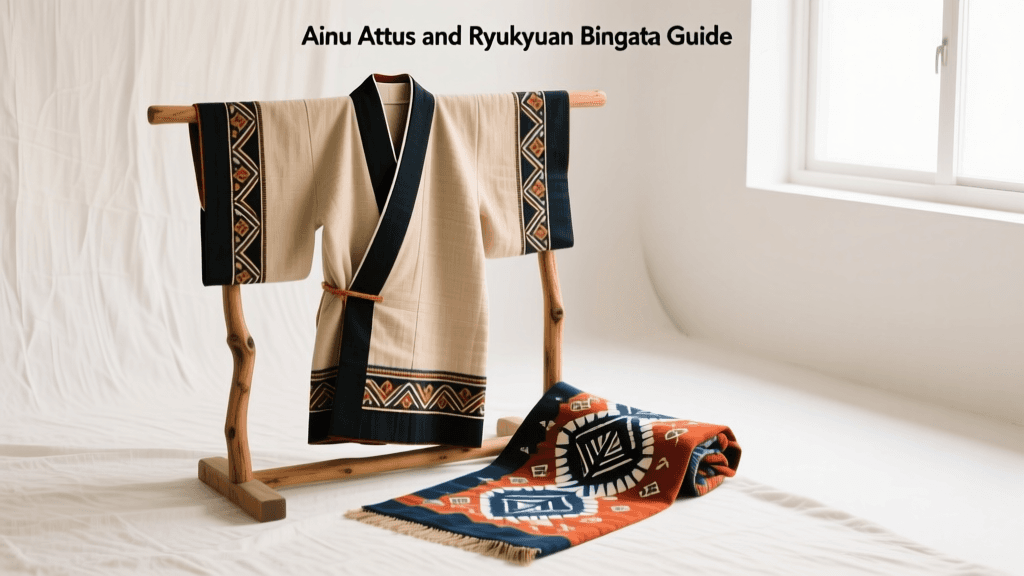
The Ainu, the indigenous people of Hokkaido, Sakhalin, and the Kuril Islands, historically relied on the natural resources of their harsh, snowy environment to create their clothing. The most iconic of these garments is the Attus, a durable, breathable cloth woven from the inner bark fibers of the elm tree (ohyo-ni). The process of creating Attus is labor-intensive and deeply tied to Ainu spiritual beliefs. Women traditionally harvest the bark in early summer, soak it in rivers, and meticulously split the fibers by hand before weaving them on a simple backstrap loom. According to cultural archives at the National Ainu Museum and Park (Upopo), the garments were not merely functional but served as spiritual armor.
To protect the wearer from malevolent spirits, Ainu artisans appliqued intricate cotton patterns onto the Attus robes, particularly around the collar, cuffs, and hem. The most common motifs include the moreu (swirling whirlpools) and aiushi (thorn-like patterns). These continuous, unbroken lines were believed to trap evil spirits and prevent them from entering the body. Today, authentic vintage Attus robes are highly prized by textile collectors and museums, while contemporary Ainu weavers continue to produce the fabric for cultural ceremonies and modern fashion adaptations.
Practical Guide: Sourcing, Costs, and Measurements
For those looking to acquire authentic Ainu textiles, it is crucial to support indigenous artisans directly. The town of Nibutani in Hokkaido is recognized as a hub for traditional Ainu crafts. While a fully tailored, vintage Attus robe can command prices between $1,500 and $4,000 at specialized antique textile auctions, modern consumers can purchase smaller, newly woven items. Attus coin purses, neckties, and table runners typically range from $40 to $120. When purchasing a full garment, measurements are generally standardized to a loose, kimono-like wrap style, but buyers should request the specific yuki (arm span) and mitake (back length) to ensure proper proportions.
Care and Maintenance
Caring for natural elm bark requires specific environmental controls. Attus is highly susceptible to extreme dryness and ultraviolet light, which can cause the organic fibers to snap. Follow these strict care guidelines to preserve the integrity of the textile:
- Never machine wash or dry clean an Attus garment using harsh chemical solvents.
- Spot clean gently with a damp cloth and cold water.
- If a full wash is necessary, submerge in cold water with a pH-neutral textile detergent for no more than five minutes.
- Roll the garment in a clean cotton towel to press out excess moisture; never wring or twist the fibers.
- Store the garment wrapped in acid-free tissue paper inside a cedar box to regulate humidity and deter pests.
Ryukyuan Ryusou and Bingata: The Colors of Okinawa
The Subtropical Silhouette and Bashofu
Over 1,500 miles south of Hokkaido lies the Okinawa archipelago, the historical center of the Ryukyu Kingdom. The Ryukyuan traditional dress, known as Ryusou, evolved independently from the mainland kimono, heavily influenced by trade with Ming Dynasty China and Southeast Asia. The subtropical climate necessitated garments that were lightweight, breathable, and loose-fitting. While mainstream Japanese kimono rely heavily on silk and tight, restrictive obi sashes, the Ryusou is traditionally crafted from ramie, cotton, or bashofu (Japanese banana fiber). The silhouette features wider sleeves, a looser collar, and a thinner, more flexible sash, allowing air to circulate freely against the skin.
The Bingata Resist-Dyeing Process
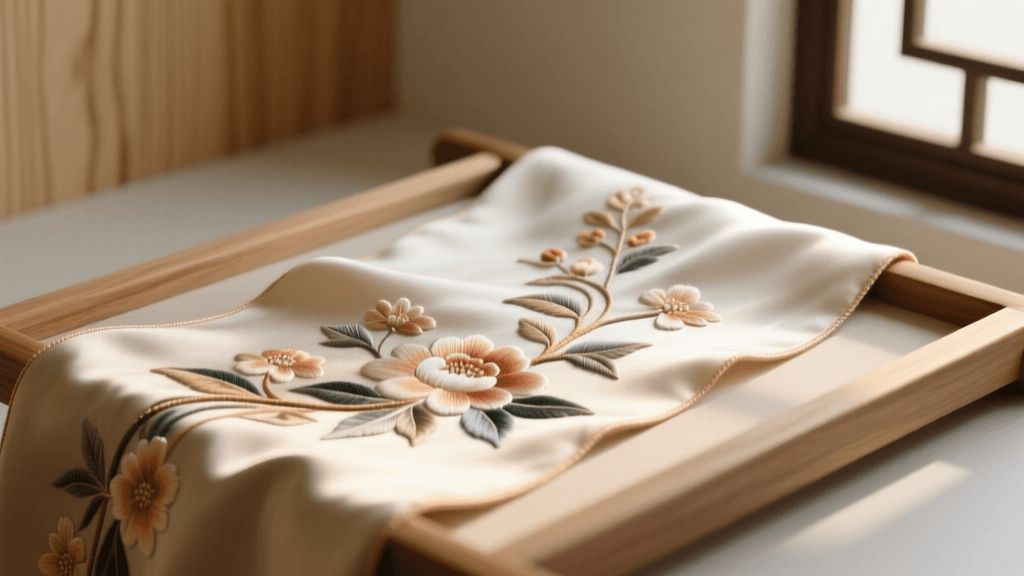
The most visually striking element of Ryukyuan dress is Bingata, a vibrant resist-dyeing technique that utilizes hand-carved stencils and natural pigments. Historically, the colors and motifs of Bingata were strictly regulated by the Ryukyuan royal court; bright yellows were reserved for royalty, while commoners wore indigo or paler shades. Artisans use a soybean milk sizing called gojiru to prepare the fabric, followed by the application of a rice-paste resist through intricate katagami stencils. Once dyed with mineral and botanical pigments, the resist is washed away in the pristine rivers of Okinawa, revealing breathtaking motifs of tropical flora, ocean waves, and mythical dragons. The Metropolitan Museum of Art frequently highlights the technical complexity of historical Bingata, noting its unique synthesis of Chinese stencil techniques and indigenous island aesthetics.
Practical Guide: Commissioning and Styling
Commissioning or purchasing authentic Ryukyuan Bingata requires patience and a substantial budget, as the craft is protected by local cooperatives. According to regional cultural guides like the Okinawa Story, genuine Bingata is still produced by multi-generational dye houses in Naha and surrounding villages. A mass-produced, stencil-printed souvenir obi might cost $50, but a hand-dyed, authentic Bingata obi sash crafted by a certified artisan will range from $300 to $800. A full, custom-tailored Bingata Ryusou or kimono requires a lead time of four to eight months and costs between $2,500 and $6,000.
When ordering custom Ryusou, artisans require precise measurements: height, hip circumference, and the yuki (arm span). Unlike mainland kimono, the Ryusou is tailored with a slightly shorter hemline to prevent tripping in humid, uneven terrain, and the sleeves are cut wider to act as natural ventilation. Integrating these minority textiles into a contemporary wardrobe requires a respectful, stylistic approach. A modern, ethical styling technique involves using a vintage or contemporary Bingata obi as a statement belt over a solid-colored, minimalist linen dress or a tailored denim jacket. This allows the complex, vibrant motifs of the Ryukyuan dye work to take center stage without appropriating the full ceremonial silhouette.
Comparative Analysis: Ainu vs. Ryukyuan Textiles
To better understand the distinct material properties and market realities of these two traditions, refer to the comparative analysis below.
| Feature | Ainu Attus | Ryukyuan Bingata / Ryusou |
|---|---|---|
| Primary Material | Elm tree bark (Ohyo-ni) | Ramie, Cotton, Bashofu (Banana fiber) |
| Climate Adaptation | Insulating, durable for snow and cold | Breathable, moisture-wicking for high humidity |
| Decoration Technique | Cotton applique and embroidery | Stencil resist-dyeing with mineral pigments |
| Entry-Level Cost | $40 - $120 (Small accessories/pouches) | $150 - $300 (Authentic stenciled scarves) |
| Full Garment Cost | $1,500 - $4,000+ (Vintage/Custom robes) | $2,500 - $6,000+ (Custom tailored Ryusou) |
| Custom Lead Time | 2 - 4 Months | 4 - 8 Months |
Ethical Sourcing and Cultural Preservation
When acquiring indigenous and minority garments, ethical sourcing is paramount. The global market is flooded with machine-printed imitations of both Ainu patterns and Bingata motifs, often produced without compensating the source communities. Consumers must look for certifications from the Japanese Ministry of Economy, Trade and Industry (METI) or purchase directly from recognized cooperatives such as the Okinawa Bingata Business Cooperative Association or the Nibutani Ainu Cultural Center.
Wearing the garments of indigenous and minority cultures is not merely an aesthetic choice; it is an act of historical preservation. By investing in authentic, artisan-crafted textiles, consumers provide the vital economic scaffolding required to keep endangered weaving and dyeing techniques alive for the next generation.
Conclusion
The sartorial traditions of the Ainu and Ryukyuan people are testaments to human ingenuity, showcasing how deeply environment, spirituality, and community dictate the clothes we wear. Moving beyond the mainstream kimono allows us to appreciate the vast, diverse ecosystem of Asian textile history. Whether you are carefully storing a piece of elm-bark Attus or draping a vibrant Bingata sash over a modern ensemble, you are participating in the ongoing story of Japan's indigenous and minority cultures. Through mindful acquisition, proper care, and respectful styling, these extraordinary garments will continue to weave their magic for centuries to come.