Suzhou Embroidery: Mastering China's Silk Textile Arts
The Pinnacle of Chinese Silk: An Introduction to Su Xiu
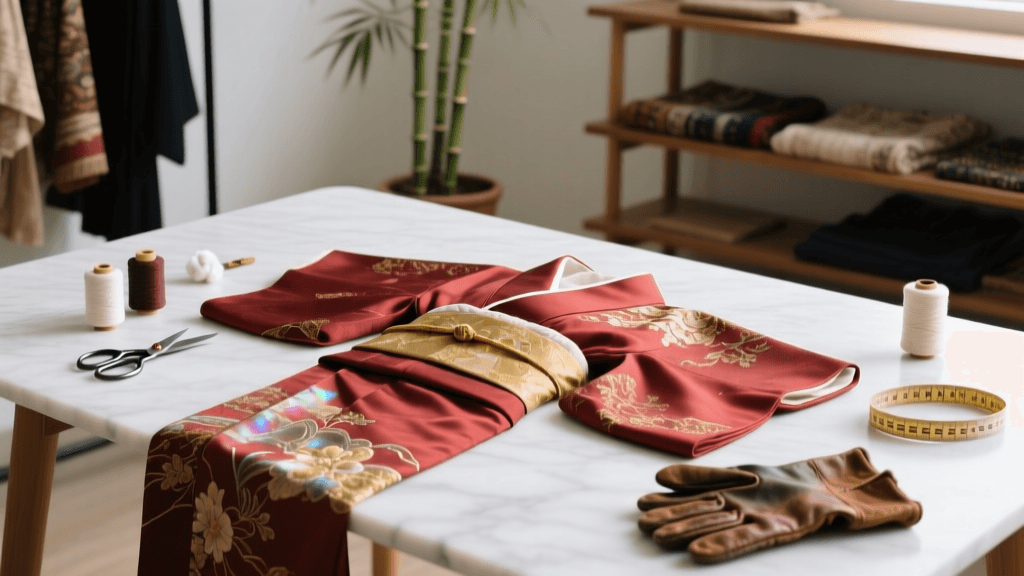
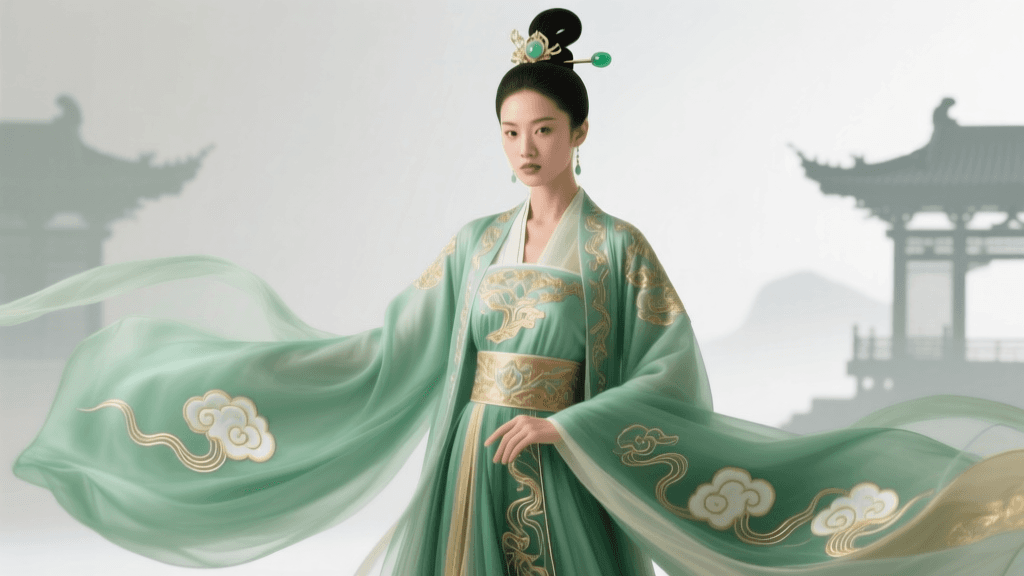
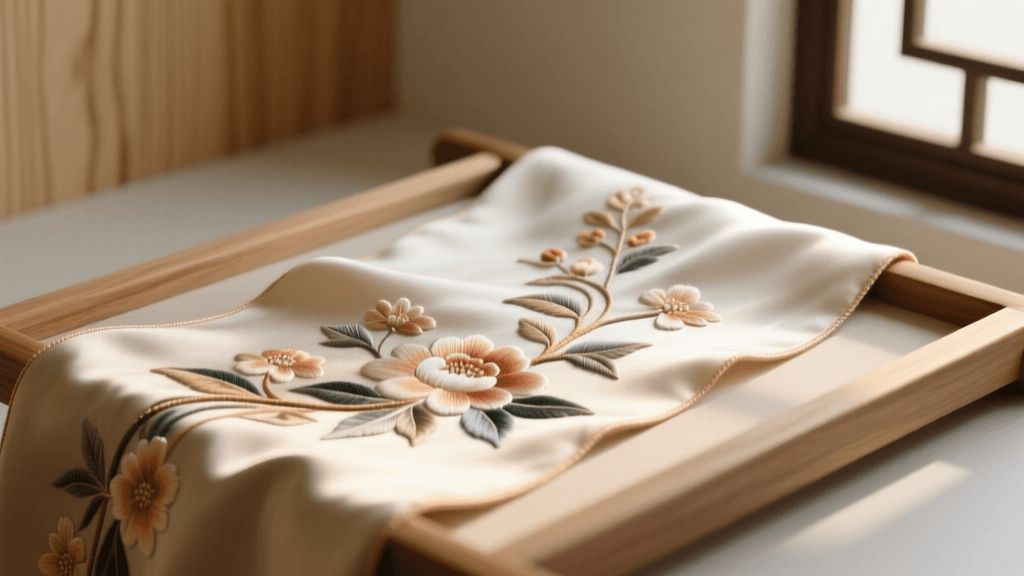
Suzhou embroidery, universally revered as Su Xiu, represents the absolute zenith of Chinese silk textile arts. Originating in the water-laced city of Suzhou in Jiangsu province, this intricate craft has been refined over more than 2,000 years. Characterized by its delicate patterns, elegant color palettes, and astonishingly precise needlework, Su Xiu is not merely a decorative technique; it is a profound cultural expression woven into the very fabric of Asian traditions. From the flowing sleeves of Hanfu to the tailored elegance of the modern Qipao, Suzhou embroidery elevates garments from simple clothing to wearable masterpieces. For textile collectors, fashion historians, and enthusiasts of traditional Asian garments, understanding the nuances of Su Xiu is essential to appreciating the depth of Chinese sartorial heritage.
Historical Threads: From the Song Dynasty to UNESCO
The origins of Suzhou embroidery trace back to the Three Kingdoms period (220-280 CE), but it was during the Song Dynasty (960-1279 CE) that the art form truly began to flourish, heavily influenced by the era's landscape painting and calligraphy. Artisans began to use silk threads to mimic the brushstrokes of master painters, creating a seamless blend of fine art and textile craft. By the Ming Dynasty (1368-1644 CE), Su Xiu had become a highly organized industry, with specialized workshops producing garments for the imperial court and the burgeoning merchant class.
During the Qing Dynasty (1644-1912 CE), Suzhou embroidery reached its imperial peak. The famous 'Dragon Robes' worn by emperors and high-ranking officials were heavily adorned with Su Xiu, utilizing gold and silver threads alongside dyed silk to denote rank and cosmic authority. Today, the cultural significance of this craft is globally recognized. According to the UNESCO Intangible Cultural Heritage list, sericulture and silk craftsmanship in China, including the embroidery traditions of Suzhou, are protected as vital human heritage, ensuring that the ancient techniques of reeling, dyeing, and stitching are passed down to future generations.
The Anatomy of Mastery: Thread Splitting and Double-Sided Art
What sets Su Xiu apart from other global embroidery traditions is the mind-boggling technical mastery required of its artisans. The foundational technique is known as pi xian, or thread splitting. A single strand of silk thread is composed of multiple micro-filaments. A master embroiderer can split a single thread into halves, quarters, eighths, and eventually up to 1/48th of its original thickness. This allows for hyper-realistic textures; for instance, the delicate down of a chick or the translucent fins of a koi fish can only be rendered using these microscopic threads.
Another hallmark of Suzhou embroidery is shuang mian xiu, or double-sided embroidery. In this staggering feat of needlework, the artisan stitches a design that is visible on both sides of a single piece of transparent silk gauze. The most advanced form of this technique features entirely different designs and color schemes on the front and back, with all knots and thread ends hidden within the microscopic folds of the fabric. This technique is frequently used in premium silk screens, fans, and the detachable collars of high-end traditional garments.
The Four Great Embroideries of China: A Comparative Guide
While Su Xiu is the most famous, it is part of a broader tapestry of Chinese textile arts. China is historically home to the 'Four Great Embroideries,' each with distinct regional characteristics, motifs, and applications in traditional clothing. Understanding these differences is crucial for collectors and designers.
| Embroidery Style | Region of Origin | Key Characteristics | Common Motifs | Primary Garment Use |
|---|---|---|---|---|
| Su Xiu (Suzhou) | Jiangsu Province | Exquisite detail, flat stitching, subtle color gradients, thread splitting. | Koi fish, peonies, cats, landscapes. | Qipao, Hanfu Aoqun, luxury accessories. |
| Xiang Xiu (Hunan) | Hunan Province | Bold colors, loose stitching, realistic shading, often uses black/white bases. | Tigers, lions, calligraphy, bold florals. | Ceremonial robes, decorative wall hangings. |
| Yue Xiu (Guangdong) | Guangdong Province | Vibrant, high-contrast colors, use of gold/silver threads, textured stitches. | Dragons, phoenixes, lychees, mythical beasts. | Opera costumes, traditional wedding jackets (Kwa). |
| Shu Xiu (Sichuan) | Sichuan Province | Even, tight stitching, soft satin backgrounds, durable and practical. | Pandas, bamboo, lotus flowers, geometric borders. | Everyday traditional wear, quilt covers, shoes. |
Integrating Su Xiu into Traditional Garments: Hanfu and Qipao
The application of Suzhou embroidery in traditional Chinese clothing is both an aesthetic choice and a marker of social and cultural identity. In the modern Hanfu revival movement, Su Xiu is highly sought after for the Mamianqun (horse-face skirt) and the Aoqun (jacket and skirt ensemble). Artisans typically apply the embroidery along the hem, the collar, and the sleeve edges, utilizing motifs like the plum blossom (representing resilience) and the orchid (representing elegance). The Metropolitan Museum of Art notes that the integration of silk embroidery in Chinese dress historically served to communicate moral virtues and cosmological beliefs, a tradition that modern Hanfu wearers proudly continue today.
In the realm of the Qipao (Cheongsam), Su Xiu is the undisputed standard for luxury. A bespoke, hand-embroidered silk Qipao requires hundreds of hours of labor. The embroidery is usually mapped directly to the wearer's measurements, ensuring that a sprawling peony branch wraps perfectly around the hip or that a soaring phoenix aligns flawlessly across the front panel and back shoulder. The subtle sheen of the silk floss thread catches the light, giving the garment a dynamic, living quality that machine embroidery simply cannot replicate.
The Collector’s Guide: Pricing, Authentication, and Sourcing
For those looking to acquire authentic Suzhou embroidered garments or textiles, navigating the market requires a discerning eye and an understanding of pricing structures. The proliferation of computerized machine embroidery has flooded the market with 'Su Xiu-style' products that lack the soul and value of genuine handwork.
How to Authenticate Handmade Su Xiu
- Examine the Reverse Side: Hand embroidery will show slight irregularities and the natural path of the artisan's needle on the back. Machine embroidery often features a uniform, grid-like underlay of bobbin thread.
- Check the Thread Sheen: Genuine Su Xiu uses high-grade, degummed silk floss which has a soft, luminous, pearlescent glow. Synthetic rayon or polyester threads used in mass production will have a harsh, plastic-like shine.
- Look for Color Transitions: Master embroiderers blend colors by interlocking threads of different hues within the same stitch. Machine embroidery relies on solid blocks of color or digital dithering.
Pricing Tiers and Investment
Authentic hand-embroidered silk is an investment. Based on current market rates in Suzhou and specialized boutiques globally, buyers can expect the following pricing tiers:
- Entry-Level Accessories ($80 - $250): Hand-embroidered silk scarves, fans, and small pouches. These typically require 20 to 50 hours of labor and use standard thread thicknesses.
- Mid-Range Garments ($800 - $3,000): Custom Hanfu jackets or standard Qipaos with localized embroidery (e.g., just the collar and cuffs). These pieces involve 200+ hours of work and feature fine thread splitting.
- Masterpiece Couture ($5,000 - $20,000+): Full-coverage, double-sided embroidered Qipaos or ceremonial wedding gowns created by recognized provincial or national masters. These can take over a year to complete.
For the most authentic sourcing experience, cultural guides like China Highlights recommend visiting Zhenhu Embroidery Town in Suzhou, where thousands of local artisans maintain workshops and showrooms, allowing buyers to commission pieces directly from the source.
Preservation: Caring for Silk Embroidered Textiles
Silk is a protein fiber, making it incredibly strong but highly susceptible to environmental damage, light, and improper handling. Preserving a Su Xiu garment requires strict adherence to textile conservation principles.
- Cleaning: Never wash hand-embroidered silk at home. Water can cause the silk floss to lose its sheen, and the dyes may bleed. Always seek a dry cleaner who specializes in antique or luxury textiles, and explicitly point out the hand-embroidered elements.
- Storage: Avoid hanging heavy, embroidered garments like winter Hanfu or bridal Qipaos for long periods, as the weight of the embroidery can distort the silk base fabric over time. Store them flat in a cool, dark place.
- Archival Materials: Wrap the garment in unbleached, acid-free cotton muslin or acid-free tissue paper. Never use plastic bags, which can trap moisture and emit gases that degrade silk proteins.
- Moth Prevention: Silk is vulnerable to moth larvae. Use natural cedar blocks or lavender sachets in the storage area, but ensure they do not directly touch the fabric to prevent oil transfer.
Conclusion
Suzhou embroidery is far more than a method of embellishing fabric; it is a profound dialogue between nature, history, and human dexterity. Whether adorning the pleats of a Ming-style Mamianqun or gracing the silhouette of a contemporary Qipao, Su Xiu remains the gold standard of Asian textile arts. By understanding its history, recognizing the hallmarks of master craftsmanship, and committing to its proper preservation, collectors and wearers alike play a vital role in keeping this magnificent silk tradition alive for centuries to come.