The Ultimate Hanfu Care Guide: Washing, Storing, and Preserving Silk
Introduction to Hanfu Fabric Care
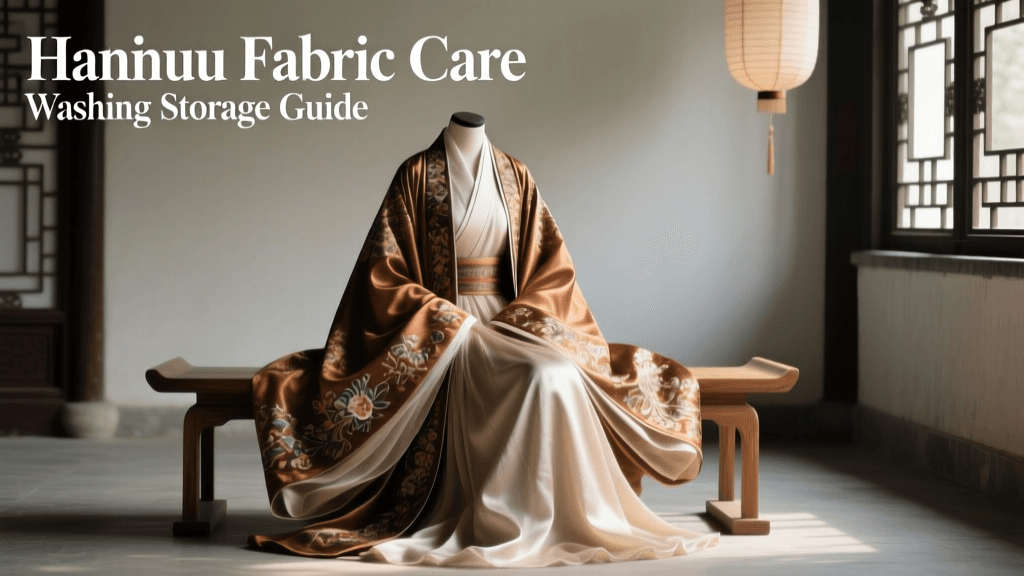
As the global appreciation for traditional Chinese clothing continues to surge, owning a collection of Hanfu has transitioned from a niche hobby to a mainstream cultural celebration. However, investing in high-quality Hanfu—particularly those crafted from delicate mulberry silk, intricate brocades, and structured linens—requires a dedicated approach to garment care. Unlike modern fast fashion, traditional garments feature complex constructions, such as the meticulously pleated Mamianqun (horse-face skirt) and the delicate embroidery of Ming dynasty-style Aoqun sets. Improper washing or storage can lead to irreversible damage, color bleeding, and the loss of structural pleats.
Whether you are caring for a $300 bespoke silk set or a $40 polyester-blend starter Hanfu, understanding the specific needs of your textiles is paramount. This comprehensive guide provides actionable, museum-grade advice adapted for everyday wearers, ensuring your traditional garments remain vibrant and structurally sound for generations.
Understanding Your Hanfu Fabrics
The first rule of textile conservation is identifying your material. Traditional Hanfu relies heavily on natural fibers, while modern commercial Hanfu often incorporates synthetic blends for durability and cost-effectiveness. According to the Victoria and Albert Museum's textile conservation guidelines, natural fibers like silk and linen are highly susceptible to environmental fluctuations, pH imbalances in detergents, and mechanical stress.
| Fabric Type | Common Hanfu Pieces | Wash Method | Water Temp | Iron Setting | Dry Clean? |
|---|---|---|---|---|---|
| Mulberry Silk (Sangcan) | Summer tops, Song dynasty Beizi, luxury skirts | Handwash / Dry Clean | Cold (15-20°C) | Low (110°C) with press cloth | Highly Recommended |
| Linen / Ramie (Xia) | Everyday summer tops, inner layers | Handwash / Machine (Delicate) | Cool (30°C) | Medium-High (150°C) | Optional |
| Polyester Blends | Budget Hanfu, daily wear skirts | Machine (Mesh Bag) | Cold (20°C) | Low (110°C) | Rarely Needed |
| Brocade / Jacquard | Ming dynasty jackets, winter Mamianqun | Dry Clean Only | N/A | Steam only, no direct heat | Mandatory |
Step-by-Step Washing Instructions
Handwashing Silk and Delicate Linens
For unembroidered silk garments and delicate linens, handwashing is the safest home method. Never use standard alkaline laundry detergents, as they will strip the natural sericin from silk fibers, causing them to become brittle and lose their luster.
- Product Recommendation: Use a pH-neutral delicate wash such as Eucalan Delicate Wash (approx. $12/16oz) or The Laundress Delicate Wash (approx. $16/16oz).
- The Process: Fill a clean basin with cold water (15-20°C). Add the recommended amount of delicate wash. Submerge the garment and gently agitate with your hands for 3 to 5 minutes. Do not rub the fabric against itself.
- Soaking: Let the garment soak for a maximum of 15 minutes. Prolonged soaking can cause dyes to bleed, especially in heavily saturated colors like crimson or indigo.
- Rinsing: Drain the soapy water and refill with cold water. Repeat until the water runs completely clear. Never wring or twist silk, as this breaks the fibers and causes permanent creasing.
Machine Washing Polyester Blends
Modern Hanfu made from polyester chiffon or crepe can be machine washed, but mechanical agitation can still snag loose threads or damage delicate appliques. Always place these garments inside a fine mesh laundry bag. Use the delicate or handwash cycle with cold water and a mild detergent. Fasten any buttons or hooks before washing to prevent them from catching on the mesh or other garments.
When to Dry Clean
Professional dry cleaning (costing between $25 and $45 per full set, depending on your location) is mandatory for structured brocades, garments with metallic thread embroidery, and pieces with complex interlinings. Water can cause metallic threads to tarnish and interlinings to shrink at different rates than the outer fabric, resulting in severe puckering.
The Mamianqun Challenge: Preserving Pleats
The Mamianqun (horse-face skirt) is iconic, but its sharp, knife-edge pleats are notoriously difficult to maintain. Washing a Mamianqun without preparation will result in a loss of pleat structure, turning a beautiful skirt into a shapeless bell.
Pre-Wash Basting: Before washing, use a needle and loose cotton thread to baste the pleats together about two inches below the waistband and again near the hem. This temporary stitching holds the pleats in place during the wet phase. Remove the basting thread only after the skirt is completely dry and has been lightly steamed.
Pleat Refreshing: If your pleats begin to fall out between washes, hang the skirt in the bathroom while taking a hot shower. The ambient steam will relax the fibers. Use a handheld steamer (held at least 2 inches away from the fabric) to direct steam down the length of the pleats, then gently press them flat with your hand while they cool.
Drying and Ironing Techniques
Proper drying is just as critical as washing. The American Institute for Conservation (AIC) emphasizes that gravity and tension must be carefully managed when textiles are wet and at their most vulnerable.
Drying Silk and Linen
Never hang wet silk on a wire or thin plastic hanger; the weight of the water will stretch the shoulders and cause permanent 'hanger bumps.' Instead, lay the garment flat on a clean, dry microfiber towel. Roll the towel up like a sleeping bag to gently press out excess moisture. Unroll and transfer the garment to a flat mesh drying rack, away from direct sunlight and heat sources. UV rays will rapidly fade traditional dyes.
Ironing Guidelines
Always iron traditional garments on the reverse side. For silk, set your iron to the lowest heat setting (approx. 110°C or 230°F) and place a clean, white cotton press cloth between the iron and the garment. For linen and ramie, you can use a medium-high setting (150°C), but the fabric should be slightly damp to effectively remove wrinkles. Never use the steam burst function directly on silk, as it can leave permanent water spots.
Long-Term Storage and Preservation
How you store your Hanfu during the off-season dictates its lifespan. The Metropolitan Museum of Art's Textile Conservation department notes that environmental control—specifically managing humidity, light, and pests—is the cornerstone of textile preservation.
Hanging vs. Folding
- Hanging: Lightweight tops (Shan, Ao, Beizi) and unpleated skirts can be hung. Use wide, padded hangers to distribute weight evenly. Avoid wooden hangers, as the natural acids in wood can transfer to fabrics over time.
- Folding: Heavy brocade jackets, embroidered pieces, and Mamianqun should be folded to prevent stress on the shoulder seams and waistbands. To prevent hard creases, roll acid-free tissue paper (approx. $15 for a pack of 25 sheets) and place it inside the folds.
Storage Environments
Store your folded Hanfu in archival-quality, acid-free textile boxes (brands like Archival Methods offer excellent options ranging from $30 to $60). If using plastic bins, ensure they are made of polypropylene (PP) and line them with clean cotton sheets. Never use standard PVC plastic bags, which trap moisture and emit harmful off-gassing chemicals that degrade silk.
To deter pests like silverfish and clothes moths, place natural cedar blocks or lavender sachets in your storage area. Avoid chemical mothballs (naphthalene), which are highly toxic and leave a pervasive, nearly impossible-to-remove odor on natural fibers.
Emergency Stain Removal
Accidents happen during festivals and tea ceremonies. Quick, correct action can save a garment:
- Oil and Grease: Immediately blot (do not rub) with a paper towel. Cover the spot with cornstarch or talcum powder to absorb the oil. Let it sit for 24 hours, then gently brush it off before washing.
- Water Spots on Silk: If a drop of water leaves a ring on silk, lightly steam the entire panel of the garment to evenly distribute the moisture, then allow it to dry flat.
- Makeup and Foundation: Apply a small amount of pH-neutral delicate wash directly to the stain, gently working it in with a soft-bristled makeup brush. Let it sit for 10 minutes before rinsing with cold water.
Conclusion
Caring for Hanfu and traditional Chinese garments is an act of cultural preservation. By understanding the unique properties of silk, linen, and brocade, and by employing gentle, museum-approved cleaning and storage techniques, you ensure that these beautiful pieces of wearable history remain pristine. Whether you are stepping out for a photoshoot in a flowing Wei-Jin style robe or attending a formal banquet in a structured Ming dynasty Mamianqun, proper garment care guarantees that your traditional wardrobe will endure beautifully for years to come.