Miao Ethnic Clothing: Indigo Batik And Silver Guide
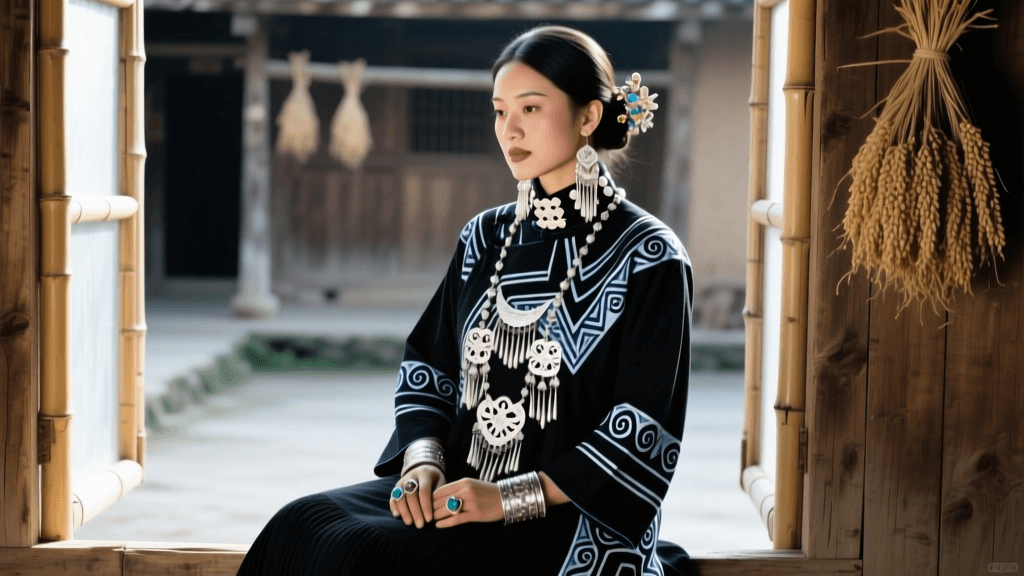
The Miao people, widely recognized in the West as the Hmong, possess one of the most visually striking and culturally profound sartorial traditions in Asia. In the absence of a traditional written language, the Miao have historically recorded their myths, migrations, and cosmology directly onto their garments. Today, Miao ethnic clothing is celebrated globally for its masterful indigo batik and breathtaking silver jewelry. For collectors, fashion historians, and cultural enthusiasts, understanding the nuances of these garments is essential for both appreciation and ethical sourcing.
The Wearable History of the Miao People
The Miao are one of China's largest ethnic minority groups, primarily concentrated in the mountainous regions of Guizhou, Hunan, and Yunnan provinces. Their clothing is not merely decorative; it is an intricate historical archive. Because the Miao historically lacked a written script, women embroidered and dyed their histories into their textiles. Motifs such as the Yellow River, the Yangtze River, and the mountain passes they crossed during centuries of migration are woven into the hems and borders of their jackets and skirts.
Central to Miao cosmology is the 'Butterfly Mother' (Mai Bang), a creation myth figure who birthed the ancestors of humanity. You will frequently see butterfly motifs intricately embroidered onto baby carriers and festival jackets. Similarly, the water buffalo is revered for its agricultural importance, and its stylized horns are prominently featured in both textile patterns and the towering silver headdresses worn during festivals. According to the Metropolitan Museum of Art's Asian Art collection, these garments serve as vital anthropological records, preserving the distinct identities of various Miao subgroups, such as the Long-Horn Miao, Black Miao, and Short-Skirt Miao.
Mastering Indigo Batik: Techniques and Sourcing
The soul of traditional Miao textile art lies in its indigo batik, known locally as lajiao. Unlike the block-printing methods found elsewhere, Miao batik is a freehand wax-resist technique. Artisans use a specialized copper knife (a lajiao pen) heated over a charcoal brazier to melt beeswax. They then draw intricate, symmetrical geometric and floral patterns directly onto white hemp or cotton cloth without the use of stencils or guidelines.
The dyeing process is an exercise in patience and chemistry. The indigo dye is derived from the fermented leaves of the Strobilanthes cusia plant. The fermentation vat requires a precise balance of plant matter, wood ash (for alkalinity), and rice wine. The cloth is dipped into the vat multiple times a day over a period of three to four weeks. Between dips, the fabric is hung to oxidize, transforming from a yellowish-green to a deep, rich blue. Once the desired depth of color is achieved, the cloth is boiled in water to melt away the beeswax, revealing the crisp white patterns against the indigo background. The resulting 'ice-crackle' effect—caused by dye seeping into the natural cracks of the cooled wax—is the hallmark of authentic Miao batik.
Practical Guide to Sourcing Authentic Batik
When sourcing Miao batik for personal wear or collection, it is crucial to distinguish between authentic, village-made textiles and mass-produced tourist souvenirs. Below is a comparison chart to help buyers make informed decisions.
| Feature | Authentic Handmade Batik | Commercial / Machine-Made |
|---|---|---|
| Base Material | Hand-woven hemp or organic cotton | Synthetic blends or factory cotton |
| Wax Application | Freehand copper knife; visible 'ice-crackle' veining | Silk-screen or stamped; uniform, no cracking |
| Dye Method | Natural fermented indigo (smells earthy) | Chemical synthetic dyes (odorless or chemical smell) |
| Production Time | 3 to 6 weeks per garment | Minutes per yard |
| Estimated Cost (Jacket) | $150 - $450 USD | $20 - $45 USD |
Buyer's Tip: Always rub the fabric gently with a damp white cloth. Authentic natural indigo will transfer slightly onto the cloth (a property known as 'crocking'), whereas synthetic chemical dyes are usually heat-set and will not bleed.
The Weight of Heritage: Miao Silver Jewelry
No Miao festival ensemble is complete without its accompanying silver jewelry. For the Miao, silver represents purity, wealth, and spiritual protection against evil spirits. The craftsmanship is staggering; a full festival set can include a towering horned headdress, multiple layered neck rings, chest plates, hairpins, and bracelets, sometimes weighing up to 10 kilograms (22 pounds) in total.
The silversmithing process is traditionally passed down through male lineage. Artisans employ techniques such as filigree, repoussé, and hollow-casting to create intricate designs of dragons, phoenixes, and fish. The iconic silver horn headdress, which can span over a meter in width, mimics the horns of the water buffalo and is a symbol of agricultural prosperity. According to the Victoria and Albert Museum's Asian collections, the sheer volume and weight of Miao silver jewelry also served a historical purpose: it was a way for nomadic and semi-nomadic families to carry their accumulated wealth securely on their bodies during times of conflict and migration.
Silver Jewelry Sizing and Cost Breakdown
If you are looking to acquire authentic Miao silver pieces, understanding the pricing structure and material composition is vital. Traditional Miao silver is rarely 100% pure silver; it is typically an alloy of silver, copper, and sometimes nickel or brass to provide the structural integrity needed for large headdresses and heavy neck rings.
- Authentic Village Silver (90-99% Silver): Priced by weight, usually ranging from $1.50 to $3.00 USD per gram, plus a craftsmanship fee. A standard 200-gram neck ring will cost between $400 and $800 USD.
- White Copper / Miao Silver (Alloy): Often sold to tourists, this contains little to no actual silver. It is priced by the piece, with large headdresses costing $50 to $150 USD. It will tarnish differently and may cause skin irritation for those with metal allergies.
- Modern 925 Sterling Silver: Some contemporary Miao artisans craft smaller, wearable pieces (like bracelets and hairpins) using standard 925 sterling silver to appeal to international markets. Expect to pay $80 to $200 USD for these smaller, highly detailed items.
Styling and Preserving Miao Garments
Incorporating Miao textiles into a modern wardrobe requires a respectful approach, focusing on appreciation rather than appropriation. A beautifully crafted, authentic indigo batik jacket pairs exceptionally well with modern, minimalist silhouettes—think tailored linen trousers, crisp white denim, or a simple silk slip dress. The deep, organic blue of the indigo acts as a neutral, while the white batik patterns provide a striking visual contrast. For interior design, vintage Miao pleated skirts, which often require over 15 meters of fabric to create their signature accordion pleats, can be framed in shadow boxes or draped as textile art, a practice well-documented by institutions like the British Museum in their ethnographic displays.
Actionable Care Instructions
Preserving the integrity of natural indigo and hand-woven fibers requires specific care protocols:
- Washing: Never machine wash authentic indigo batik. Hand wash in cold water using a pH-neutral detergent (such as baby shampoo or specialized wool wash). Avoid soaking for more than 5 minutes to prevent excessive dye loss.
- Drying: Never wring out the fabric. Press the water out gently between two clean towels and lay the garment flat to dry in a shaded area. Direct sunlight will rapidly fade natural indigo.
- Pleat Maintenance: If you own a traditional pleated hemp skirt, the pleats must be re-set after washing. While the fabric is damp, fold it along the original crease lines, bind it tightly with cotton string, and allow it to dry completely before unbinding.
- Silver Storage: Store Miao silver alloy pieces in anti-tarnish cloth bags with silica gel packets. Because traditional alloys often contain copper, they are highly susceptible to humidity and will develop a dark patina if exposed to the air. Polish gently with a microfiber cloth; avoid harsh chemical dips which can ruin the oxidized details in the filigree work.
By understanding the profound history, the meticulous craftsmanship, and the proper care required for Miao ethnic clothing, collectors and fashion enthusiasts can help preserve this magnificent wearable heritage for generations to come.