Top Hanfu Museums And Textile Heritage Sites In China
The Institutional Preservation of Hanfu
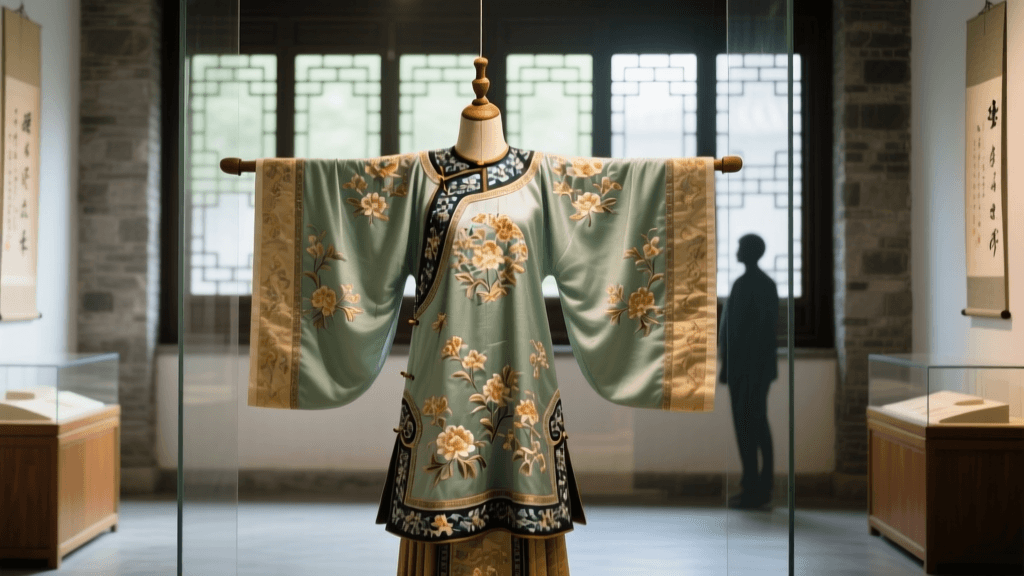
The modern Hanfu revival is not merely a street-fashion movement; it is deeply rooted in rigorous academic research, archaeological discoveries, and institutional preservation. Across China, world-class museums and heritage sites serve as the ultimate custodians of traditional Chinese garments, textiles, and weaving techniques. For enthusiasts, historians, and designers, these institutions offer an unparalleled opportunity to study the structural layering, seasonal fabric choices, and intricate embroidery of historical attire up close. Understanding where and how these garments are preserved is essential for anyone looking to deepen their appreciation of Asian sartorial traditions.
China National Silk Museum: The Hangzhou Epicenter
Located near the scenic West Lake in Hangzhou, the China National Silk Museum (CNSM) is the largest silk-themed museum in the world and a cornerstone for textile research. The museum's permanent exhibition, "Chinese Silk Through the Ages," traces the evolution of sericulture and garment construction from the Neolithic period through the Qing Dynasty. For Hanfu enthusiasts, the highlight is the meticulous display of excavated textiles, including fragments of early Han dynasty gauze and Tang dynasty damasks. The CNSM frequently hosts temporary exhibitions focusing on specific structural elements of historical clothing, such as the evolution of the jiaoling youren (cross-collared right-over-left) silhouette. The museum also features a dedicated conservation center where visitors can observe artisans repairing fragile, centuries-old robes using traditional loom techniques and natural dyes.
Hunan Museum: The Mawangdui Marvels
No study of early Hanfu is complete without examining the artifacts from the Mawangdui Han Dynasty Tombs, housed in the Hunan Museum in Changsha. The tomb of Lady Dai (Xin Zhui) yielded some of the most remarkably preserved garments in human history. The crown jewel for textile historians is the Susha Danyi (plain gauze gown), an astonishingly lightweight outer layer that weighs a mere 49 grams despite its generous proportions. This garment provides critical insight into the seasonal fabric choices of the Han elite, demonstrating how ultra-fine, breathable silks were layered over heavier undergarments for summer wear. The museum's controlled, low-light exhibition halls protect these delicate fibers while allowing visitors to appreciate the sophisticated structural layering and early dyeing techniques that defined early imperial fashion.
Chengdu Shu Brocade Museum: The Looms of Sichuan
While Hangzhou and Changsha excel in silk gauze and archaeological preservation, the Chengdu Shu Brocade Museum focuses on the heavy, ornate weaves that dominated Tang and Song dynasty formal wear. Shu brocade (Shujin) is one of China's most celebrated intangible cultural heritage crafts, known for its vibrant colors and complex floral and geometric motifs. The museum operates traditional wooden drawlooms, offering live demonstrations of the painstaking weaving process. For modern Hanfu makers and buyers, this museum is an invaluable resource for understanding the drape, weight, and structural integrity of authentic brocade fabrics, which are essential for crafting historically accurate winter garments and formal ceremony attire.
Beijing Capital Museum: Imperial Court and Ming Dynasty Textiles
For those interested in the highly structured, heavily embroidered garments of the later imperial periods, the Beijing Capital Museum offers a profound look into Ming and Qing dynasty court attire. The museum's collection includes garments excavated from the Dingling Tomb of the Wanli Emperor, showcasing the opulent dragon robes, intricate phoenix crowns, and the rigid structural undergarments required to support formal court silhouettes. The exhibitions here emphasize the strict sumptuary laws and formal etiquette protocols that dictated fabric choices, motif placement, and color usage based on social rank and seasonal court rituals.
Comparative Guide to Heritage Sites
Planning a textile-focused heritage tour requires understanding the distinct specialties of each institution. Below is a comparative guide to help you prioritize your visits based on your specific areas of interest within traditional Chinese garments.
| Museum / Site | Location | Primary Era & Focus | Entry Cost & Booking |
|---|---|---|---|
| China National Silk Museum | Hangzhou | Neolithic to Qing; Comprehensive Silk History | Free (WeChat Reservation) |
| Hunan Museum | Changsha | Han Dynasty; Mawangdui Excavations | Free (WeChat Reservation) |
| Chengdu Shu Brocade Museum | Chengdu | Tang to Modern; Weaving Techniques | ~50 RMB (Walk-in or Online) |
| Beijing Capital Museum | Beijing | Ming to Qing; Imperial Court Attire | Free (WeChat Reservation) |
Practical Advice for the Hanfu-Clad Traveler
Visiting these heritage sites while wearing Hanfu is a deeply immersive experience, and most major Chinese museums actively welcome and encourage traditional dress. However, navigating the logistics requires some preparation:
- Booking and Identification: Almost all major public museums in China require advance booking via their official WeChat Mini Programs. Foreign visitors must bring their physical passports, as the automated ticketing kiosks often only recognize Chinese National ID cards.
- Photography Etiquette: Textile preservation is highly sensitive to light. Flash photography is strictly prohibited in all textile galleries to prevent the degradation of ancient dyes. Tripods and selfie sticks are generally banned to protect the glass display cases and manage crowd flow.
- Garment Management: If you are wearing a multi-layered Hanfu ensemble with long trailing sleeves (daxiushan), be mindful of your surroundings. Crowded exhibition halls and narrow heritage site pathways can pose a tripping hazard or risk snagging delicate fabrics on architectural elements.
- Climate Considerations: Museums maintain strict climate control (usually around 20°C with 50% humidity) to preserve artifacts. If you are visiting in the peak of summer, wearing heavy, multi-layered historical Hanfu indoors can lead to overheating. Opt for breathable summer linens or lightweight silk gauze when planning your museum attire.
Global Exhibitions: Beyond China's Borders
The preservation and exhibition of traditional Chinese garments are not confined to Asia. The historical exchange of these textiles across continents is well-documented by initiatives like the UNESCO Silk Roads programme, which highlights how Chinese weaving techniques influenced global fashion and trade. For those unable to travel to China, major international institutions offer world-class exhibitions on Asian textiles. Institutions such as the Victoria and Albert Museum's Asian collections in London house exceptional examples of Ming and Qing dynasty dragon robes and intricate silk embroideries, often accompanied by detailed breakdowns of the garment's structural layering and symbolic motifs. Similarly, the Metropolitan Museum of Art's Asian Art department in New York frequently rotates its textile displays, providing Western audiences with access to rare, historically significant Hanfu garments and accessories. Engaging with these global exhibitions allows for a broader understanding of how traditional Chinese clothing has been studied, conserved, and appreciated on the world stage.