Building a Versatile Hanfu Capsule Wardrobe for Daily Wear
The Rise of the Modern Hanfu Capsule Wardrobe
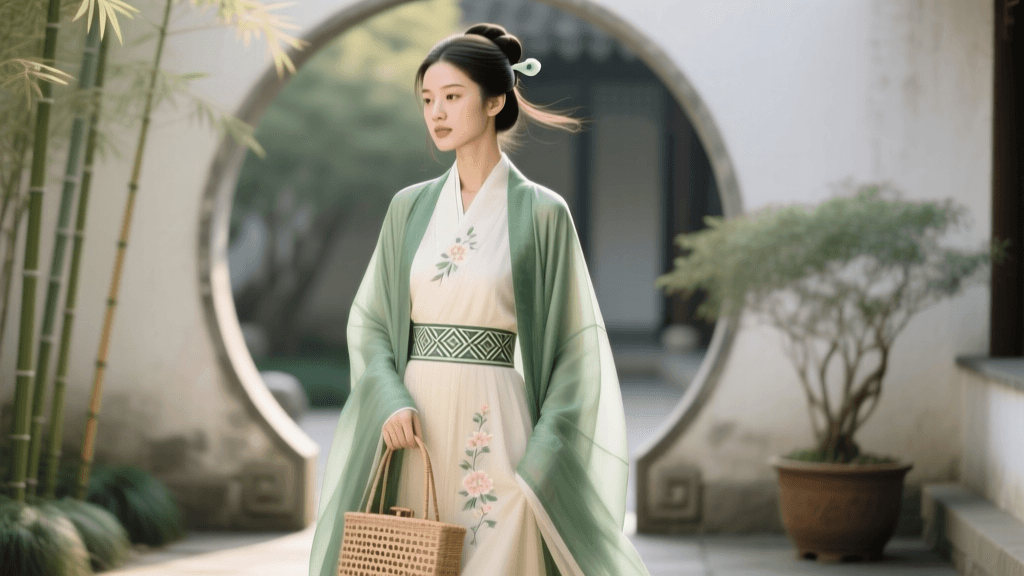
The Hanfu movement has evolved dramatically over the past decade. What began as a niche historical reenactment hobby has blossomed into a vibrant, everyday fashion movement embraced by millions across Asia and the global diaspora. However, as enthusiasts transition from attending weekend conventions to integrating traditional Chinese clothing into their daily routines, the need for practicality becomes paramount. Enter the Hanfu capsule wardrobe: a curated collection of versatile, high-quality traditional garments that can be mixed, matched, and layered to suit modern lifestyles, office environments, and casual outings.
Building a capsule wardrobe requires a strategic approach. Rather than purchasing highly elaborate, heavily embroidered ceremonial pieces that are difficult to maintain and style, the modern Hanfu wearer focuses on foundational silhouettes from the Song (960–1279 CE) and Ming (1368–1644 CE) dynasties. According to The Metropolitan Museum of Art's Heilbrunn Timeline of Art History, the Song dynasty is renowned for its refined, understated elegance and slender silhouettes, while the Met Museum's overview of the Ming Dynasty highlights the era's structured, voluminous, and highly layered garments. Together, these two eras provide the perfect historical foundation for a modern capsule collection.
Core Essentials: The Foundation of Your Collection
To build a functional Hanfu capsule wardrobe, you need three core components: a versatile skirt, a layering outer garment, and a foundational top. Here is a detailed breakdown of the essential pieces, including practical measurements and budget considerations.
1. The Ming Dynasty Mamianqun (马面裙) - The Statement Skirt
The Mamianqun, or 'horse-face skirt,' is arguably the most popular and practical Hanfu garment in the modern wardrobe. Characterized by its flat front and back panels (the 'horse faces') and pleated sides, this skirt offers incredible freedom of movement while maintaining a structured, elegant drape.
- Measurements & Fit: For daily wear, opt for a skirt length between 95cm and 100cm. This ensures the hem rests comfortably at the mid-calf or ankle without dragging on the ground during commutes. The waistband should be measured to sit at your natural waist, typically requiring a 4cm to 6cm wide waistband for adequate support.
- Fabric Choices: For everyday durability, look for woven polyester-organza blends or cotton-linen mixes. These fabrics hold pleats exceptionally well and resist wrinkling. For luxury, mulberry silk with metallic woven threads is ideal, though it requires more careful maintenance.
- Cost Estimate: A high-quality, daily-wear Mamianqun typically ranges from $45 to $120 USD, depending on the complexity of the woven jacquard patterns.
2. The Song Dynasty Beizi (褙子) - The Ultimate Outer Layer
The Beizi is a long, open-front jacket with parallel collars and side slits that extend up to the armpit. It is the traditional equivalent of a modern duster coat or cardigan, making it an indispensable layering piece for transitional weather.
- Measurements & Fit: A knee-length Beizi (approx. 85cm to 95cm) is the most versatile for modern styling, as it pairs beautifully with both traditional skirts and modern trousers. Sleeve lengths should hit just at the wrist bone to avoid interfering with typing or eating.
- Fabric Choices: Lightweight linen for summer, or brushed cotton and wool blends for autumn and winter. Solid colors or subtle tone-on-tone damask patterns offer the most mix-and-match potential.
- Cost Estimate: Expect to invest between $35 and $85 USD for a well-tailored Beizi.
3. The Cross-Collar Ru (交领襦) - The Everyday Top
The Ru is the foundational upper garment of the Hanfu wardrobe. The cross-collar style, which always wraps left over right (a strict cultural rule known as jiaoling youren), creates a flattering V-neckline that elongates the neck.
- Measurements & Fit: Look for a relaxed fit through the torso to allow for tucking into high-waisted skirts. Narrow sleeves (zhixiu) are highly recommended for daily wear over wide, sweeping ceremonial sleeves.
- Fabric Choices: Bamboo-cotton blends or soft rayon offer breathability and a beautiful drape, essential for a top that sits close to the skin.
- Cost Estimate: Basic, solid-colored Ru tops are very affordable, generally costing between $25 and $60 USD.
Hanfu Capsule Wardrobe Comparison & Budget Guide
To help you plan your purchases, here is a structured comparison of the core capsule pieces, highlighting their seasonal adaptability and modern styling potential.
| Garment | Dynasty Origin | Best Season | Est. Cost (USD) | Modern Pairing Idea |
|---|---|---|---|---|
| Mamianqun (Skirt) | Ming | Autumn / Winter | $45 - $120 | Fitted turtleneck and ankle boots |
| Beizi (Jacket) | Song | Spring / Autumn | $35 - $85 | Silk camisole and tailored trousers |
| Cross-Collar Ru | Ming / Song | Summer / Spring | $25 - $60 | High-waisted denim or linen skirt |
| Qixiong Ruqun | Tang | Summer | $50 - $90 | Cropped modern knitwear over the chest |
Practical Styling: Mixing Hanfu with Modern Basics
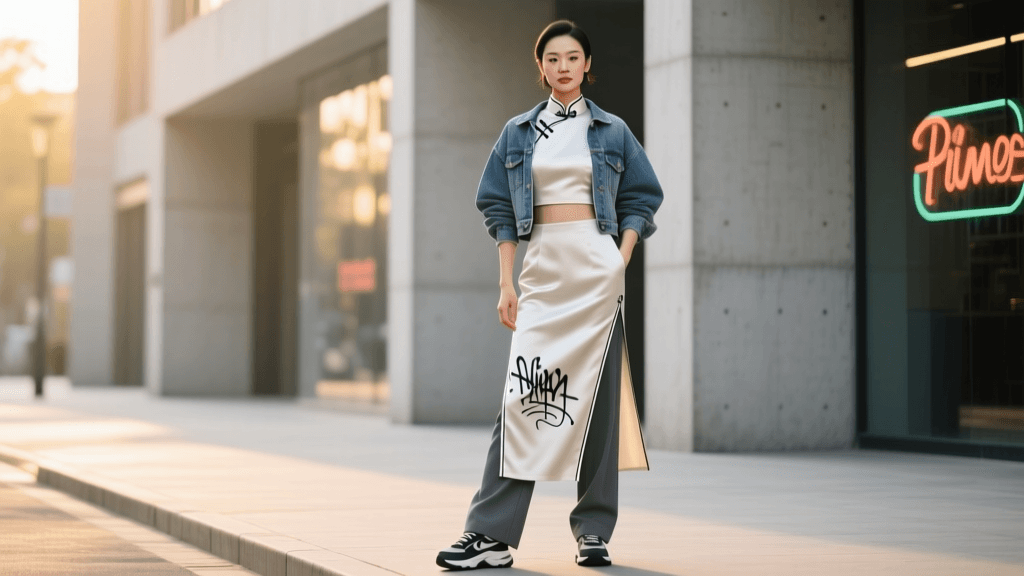
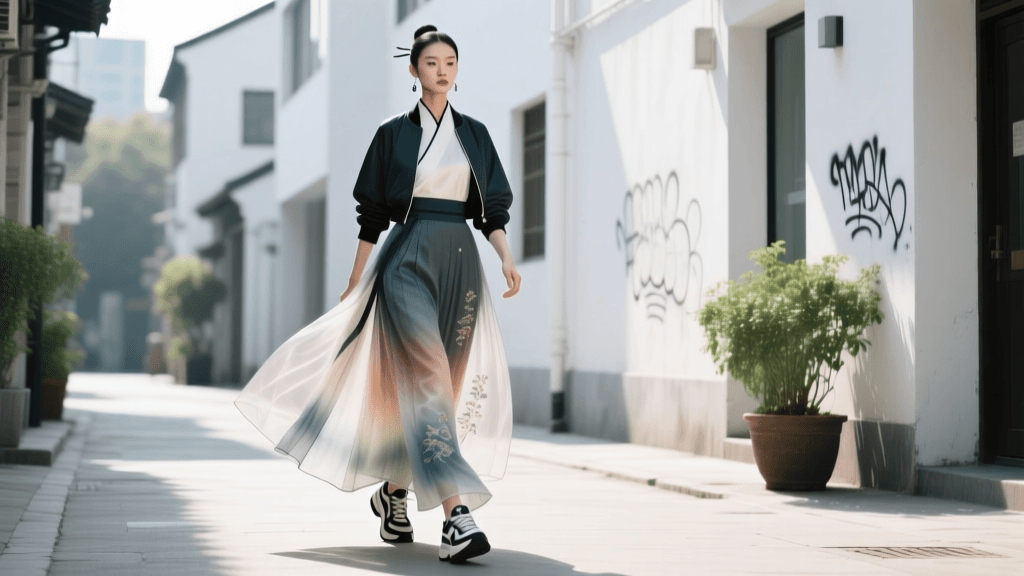
The true magic of a capsule wardrobe lies in its interoperability with your existing modern clothing. You do not need to wear head-to-toe traditional garments to honor the aesthetic. 'Hanfu-modified' or 'New Chinese Style' (Xin Zhongshi) fashion relies heavily on blending eras and cultures.
The Office-Ready Look
Pair a solid-colored, dark-toned Mamianqun (such as navy blue or deep emerald) with a crisp, modern white button-down shirt. Tuck the shirt neatly into the skirt's waistband and secure it with the traditional tie. Throw a structured Song Dynasty Beizi over the shoulders in place of a blazer. This look commands respect in a corporate environment while subtly showcasing cultural heritage.
The Weekend Cafe Look
For a relaxed weekend outing, pair a lightweight, pastel cross-collar Ru with high-waisted, wide-leg linen trousers. The Ru provides the traditional V-neckline and historical charm, while the modern trousers ensure ultimate comfort for walking and sitting. Complete the look with a minimalist leather crossbody bag and comfortable Mary Jane shoes.
Winter Layering
Hanfu is exceptionally well-suited for winter layering. Wear a thermal turtleneck underneath a cross-collar Ru, and layer a thick, wool-blend Beizi on top. The Mamianqun's voluminous pleats easily hide fleece-lined tights or thermal leggings underneath, keeping you warm without sacrificing the traditional silhouette.
Caring for Your Hanfu Collection
Proper maintenance is crucial to ensuring your capsule wardrobe lasts for years. Many premium Hanfu pieces utilize traditional weaving techniques and delicate fibers. The UNESCO Intangible Cultural Heritage list recognizes the profound historical importance of Chinese sericulture and silk craftsmanship, underscoring the need to treat these textiles with the utmost respect.
Care Tip: Never machine-wash woven jacquard Mamianqun or pure silk garments. The agitation will destroy the pleats and fray the delicate metallic threads. Always hand-wash in cold water with a pH-neutral silk detergent, and hang to dry in the shade to prevent UV fading.
For everyday polyester-cotton blends, a gentle machine wash in a mesh laundry bag is acceptable. However, you must re-press the pleats of your Mamianqun after washing. Use a steam iron on a low setting, carefully folding the pleats along their original crease lines and pinning them in place until the fabric cools and sets.
Conclusion
Building a Hanfu capsule wardrobe is a deeply rewarding process that bridges the gap between ancient artistry and modern pragmatism. By investing in a few high-quality, historically grounded pieces like the Ming Mamianqun, the Song Beizi, and the versatile cross-collar Ru, you unlock a world of styling possibilities. This curated approach not only makes traditional Chinese clothing more accessible for daily wear but also ensures that these beautiful, time-honored silhouettes remain a living, breathing part of your everyday life.