Destination Kimono Weddings in Kyoto: The Ultimate Planning Guide
The Allure of a Kyoto Destination Wedding
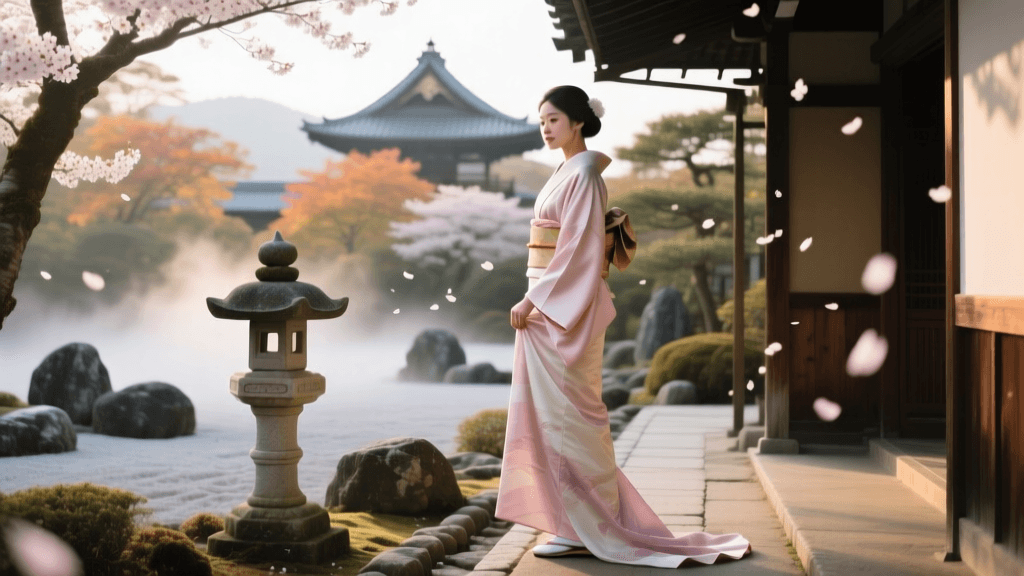
For couples seeking a wedding steeped in history, elegance, and profound cultural symbolism, a destination kimono wedding in Kyoto is an unparalleled choice. As the cultural heart of Japan, Kyoto offers a breathtaking backdrop of ancient Shinto shrines, serene Zen gardens, and historic machiya townhouses. Exchanging vows in traditional Japanese bridal attire transforms a standard ceremony into a living piece of art. However, planning a destination wedding involving intricate traditional garments requires meticulous attention to detail, from understanding seasonal textiles to navigating shrine etiquette.
According to the Japan National Tourism Organization, Kyoto remains one of the most sought-after destinations for cultural immersion, offering a unique blend of preserved heritage and luxury hospitality. This guide provides actionable, expert advice for international couples planning a traditional kimono wedding in Japan's ancient capital.
Choosing the Right Bridal Kimono
Japanese bridal wear is not a single garment, but a highly structured ensemble that changes depending on the time of day and the specific event within the wedding schedule. As noted by the Metropolitan Museum of Art, the kimono's T-shaped structure and layered nature allow for profound expressions of status, seasonality, and auspicious meaning. For brides, there are three primary garments to consider:
1. Shiromuku (Pure White)
The shiromuku is the most formal bridal kimono, worn exclusively during the Shinto wedding ceremony (shinzen shiki). Completely white from the outer robe to the inner linings and accessories, it symbolizes purity and the bride's willingness to be 'dyed' in the colors of her new family. It is paired with a white hood called a tsunokakushi or a wataboshi cap.
2. Iro-Uchikake (Colored Outer Robe)
Worn over a base kimono, the uchikake is a heavily padded, luxurious outer robe that trails on the floor. While historically red, modern brides often choose rich gold, black, or pastel hues adorned with auspicious motifs like cranes, pine trees, and flowing water. The uchikake is typically worn during the wedding reception or when taking formal portraits.
3. Hikifurisode (Trailing Sleeves)
Characterized by its exceptionally long, swinging sleeves, the hikifurisode is traditionally worn by brides marrying outside their immediate family or for the wedding banquet. It offers a slightly more dynamic silhouette and allows for vibrant, personalized color choices.
| Kimono Type | Formality | Best Used For | Average Rental Cost (JPY) | Approximate Weight |
|---|---|---|---|---|
| Shiromuku | Highest | Shinto Shrine Ceremony | ¥300,000 - ¥500,000 | 15 - 20 kg |
| Iro-Uchikake | High | Reception / Portraits | ¥350,000 - ¥600,000 | 10 - 15 kg |
| Hikifurisode | High | Banquet / Receptions | ¥250,000 - ¥450,000 | 8 - 12 kg |
The Art of Kitsuke: Dressing for the Day
The process of dressing a bride, known as kitsuke, is an arduous, multi-hour ritual. A professional kitsuke-shi (kimono dresser) will use extensive padding (wata) to create a smooth, cylindrical silhouette, which is the traditional ideal for kimono aesthetics. The bride will also wear a katsura, a heavy traditional wig styled in the bunkin-takashimada fashion, adorned with tortoiseshell or silk kanzashi hairpins.
Actionable Advice: Because the obi is tied incredibly tightly and the wig can weigh several kilograms, brides are strongly advised to eat a hearty, easily digestible meal before dressing. Once fully dressed, bending, sitting deeply, or eating is nearly impossible. Many brides take a mild, non-drowsy pain reliever beforehand to mitigate the tension headaches caused by the heavy wig.
Logistics: Timing, Measurements, and Rentals
Securing your bridal kimono requires advanced planning, especially for international travelers. Standard rental kimono are tailored to the average Japanese female physique, typically accommodating heights up to 165 cm (approx. 5'5').
Crucial Measurements
- Chou (Height): Determines the length of the kimono body.
- Yuki (Arm Span): Measured from the center of the back of the neck to the wrist. This ensures the sleeves fall correctly.
- Hips and Bust: Used to calculate the amount of padding and the width of the fabric panels needed to wrap securely.
If you are taller than 168 cm, you must inform your rental salon at least six months in advance. They may need to source custom-sized garments or employ specialized hemming techniques using the ohashori (the fold at the waist) to ensure proper proportions. Destination brides should aim to book their kimono packages 9 to 12 months prior to the wedding date, particularly if marrying during the peak spring (sakura) or autumn (koyo) seasons.
Venue Etiquette and Shrine Restrictions
Not all historic venues in Kyoto permit wedding ceremonies, and those that do have strict protocols. Shinto shrines, such as the Kamo Mioya Shrine or Yasaka Shrine, are the traditional venues for the shinzen shiki (the ritual purification and vow exchange).
When selecting a shrine, be aware that many active places of worship restrict the number of guests allowed in the inner sanctum, often capping attendance at 10 to 15 immediate family members. Furthermore, photography is strictly prohibited during the actual ritual rites; you must hire the shrine's designated photographer or wait until the ceremony concludes for portraits.
Alternatively, couples can opt for a Buddhist temple or a private traditional garden, which may offer more leniency regarding guest counts and photography, though they lack the specific Shinto purification rites. Always ensure your venue provides a dedicated, private dressing room (shitsurei), as traveling to the venue fully dressed in a shiromuku is logistically overwhelming and risks damaging the trailing garments.
Weather Considerations and Seasonal Motifs
The Victoria and Albert Museum highlights how deeply Japanese garments are intertwined with the natural world, with specific motifs and textiles reserved for distinct seasons. A destination wedding must align your garment choice with Kyoto's extreme weather patterns.
Spring and Autumn (Peak Season)
Mild temperatures make these the ideal seasons for layered silk kimono. Spring brides often feature cherry blossom (sakura) or wisteria motifs, while autumn brides incorporate maple leaves (momiji) and chrysanthemums. The standard lined silk kimono (awase) is perfectly suited for these months.
Summer (June to August)
Kyoto's summers are notoriously hot and humid. While bridal wear is traditionally layered, summer brides should request garments made from ro or sha (lightweight silk gauze) for their under-layers to prevent heatstroke. Ceremonies should be scheduled for the early morning or late evening.
Winter (December to February)
Winter weddings require thermal protection. Brides will wear a padded undergarment and a silk hakkake (inner lining) that provides warmth without disrupting the outer silhouette. Hand warmers (kairo) can be discreetly tucked into the layers of the obi.
Budgeting for Your Kimono Wedding
Understanding the financial breakdown of a traditional Kyoto wedding helps couples allocate their budget effectively. Below is an estimated cost breakdown for a standard destination package (prices in Japanese Yen):
- Kimono Rental & Dressing (Shiromuku + Uchikake): ¥400,000 - ¥700,000
- Bridal Hair, Makeup, and Wig (Katsura): ¥60,000 - ¥90,000
- Shrine Ceremony Fee (Hatsuhonou): ¥100,000 - ¥200,000
- Professional Photography (2 hours): ¥150,000 - ¥250,000
- Wedding Planner / Coordinator Fee: ¥150,000 - ¥300,000
Note: International couples will also need to factor in the legal requirements for marriage in Japan, which involve obtaining an Affidavit of Competency to Marry from their respective embassy in Tokyo or Osaka before submitting the marriage registration (konin todoke) to the local municipal office.
Conclusion
A destination kimono wedding in Kyoto is a profound commitment not just to your partner, but to the preservation of an exquisite cultural heritage. By understanding the distinct roles of the shiromuku and uchikake, respecting the sacred etiquette of Shinto shrines, and planning meticulously for measurements and weather, you ensure a seamless celebration. The result is a wedding day that transcends the ordinary, wrapping your union in centuries of artistry, symbolism, and timeless elegance.