Kimono Dress Codes: Formality Rules & Occasion Guide
The Language of Silk: Understanding Kimono Hierarchy
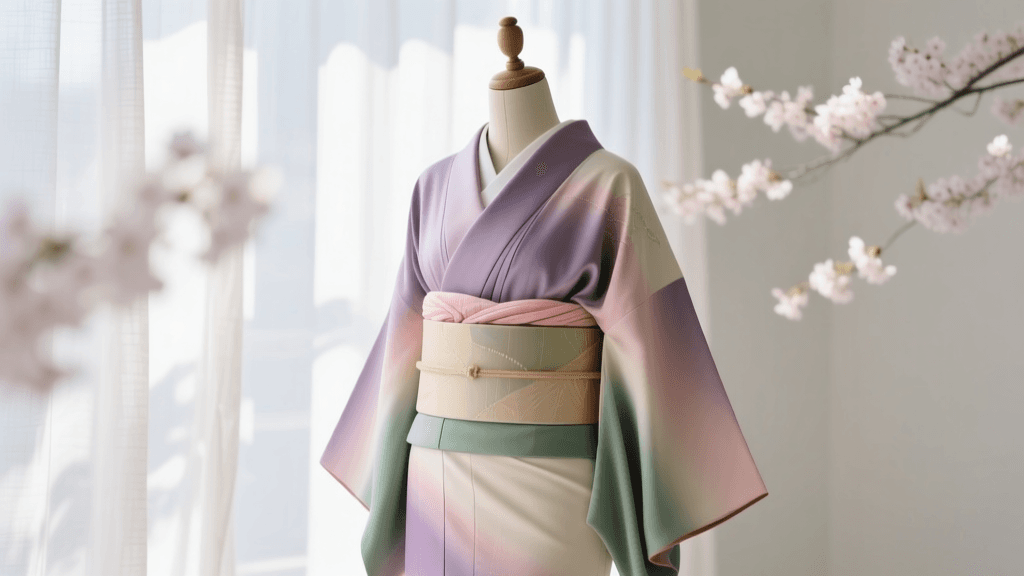
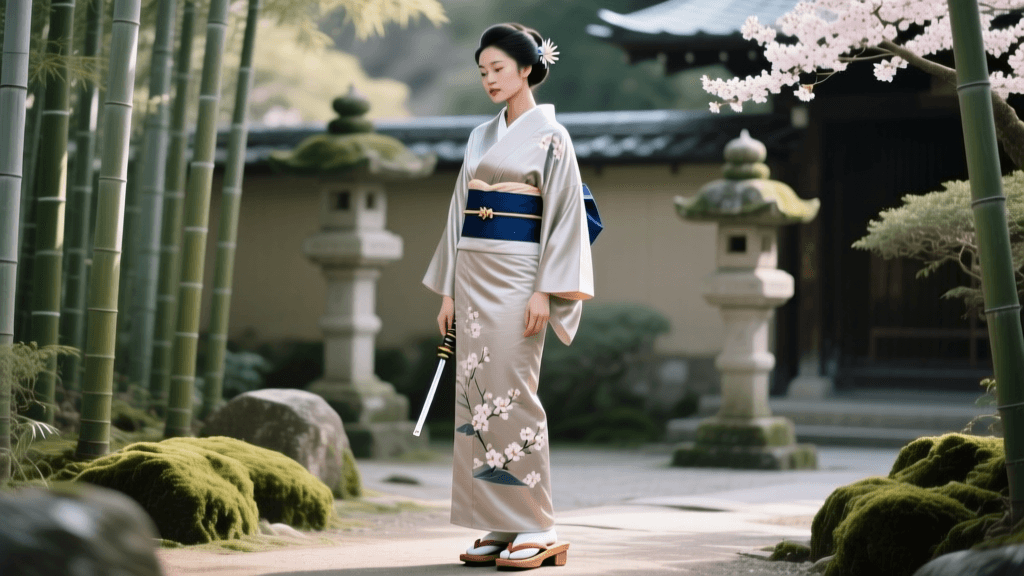
Navigating the world of traditional Japanese clothing requires more than just an appreciation for beautiful textiles; it demands an understanding of a complex, unspoken language of respect, seasonality, and social standing. In Japan, the concept of TPO (Time, Place, and Occasion) is the golden rule of dressing. A kimono is never merely a garment; it is a carefully curated ensemble that communicates the wearer's age, marital status, and relationship to the host of an event. According to the Metropolitan Museum of Art, the kimono's T-shaped structure serves as a canvas for profound cultural expression, where every motif, fabric choice, and crest carries specific historical and social weight.
For both locals and international enthusiasts, mastering kimono etiquette is essential to avoid cultural faux pas. The formality of a kimono is determined by several factors: the presence and number of family crests (kamon), the type of silk used (matte versus glossy), the dyeing technique, and the accompanying obi (sash). Below is a comprehensive guide to understanding these dress codes, ensuring you are perfectly attired for any traditional occasion.
Kimono Formality and Occasion Chart
The hierarchy of women's kimono is strictly defined. The following table outlines the primary types of kimono, their formality levels, and appropriate occasions.
| Kimono Type | Formality | Ideal Occasions | Crests (Kamon) | Obi Style |
|---|---|---|---|---|
| Kurotomesode | Ultra-Formal | Weddings (worn by close married relatives of the bride/groom) | 5 Crests | Maru / Fukuro |
| Irotomesode | Formal | Weddings (relatives or close friends), imperial court events | 3 or 5 Crests | Fukuro |
| Homongi | Semi-Formal | Wedding receptions (guests), formal tea ceremonies, parties | 0 to 3 Crests | Fukuro / Nagoya |
| Tsukesage | Semi-Formal | Tea ceremonies, graduation ceremonies, upscale dinners | 0 or 1 Crest | Nagoya |
| Komon | Casual | Daily wear, shopping, casual dining, theater | 0 Crests | Nagoya / Hanhaba |
| Yukata | Casual / Summer | Summer festivals, fireworks, onsen (hot spring) resorts | 0 Crests | Hanhaba |
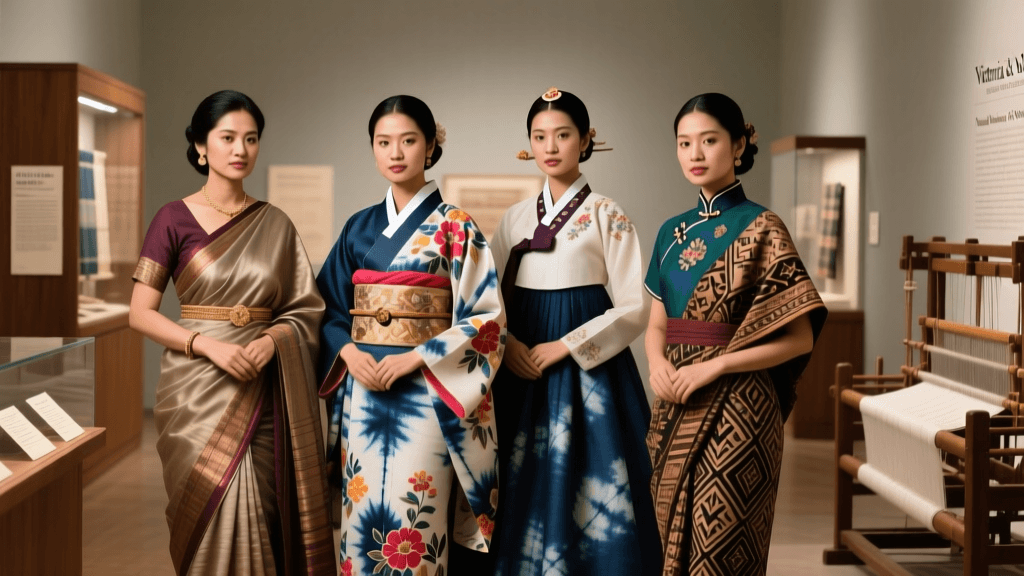
As highlighted by the Victoria and Albert Museum, the evolution of these garments reflects centuries of shifting sumptuary laws and aesthetic philosophies, moving from the heavily layered court robes of the Heian period to the streamlined, highly codified garments of the Edo and Meiji periods that dictate modern etiquette.
Dress Codes for Specific Occasions
Weddings
Attending a Japanese wedding as a guest requires careful navigation of color and pattern. Female guests should opt for a Homongi or Irotomesode. The most critical rule is to never wear white, as the color white (specifically the shiromuku) is strictly reserved for the bride. Furthermore, guests should avoid overly flashy, large-scale patterns or excessive gold threading that might upstage the bride. For male guests, a dark, conservative Western suit is standard, though a formal black montsuki hakama (crested kimono with pleated trousers) is appropriate for close family members.
Tea Ceremonies (Chado)
The tea ceremony demands subdued elegance and deep respect for the host and the season. A Tsukesage or a high-quality, subdued Komon is ideal. Motifs should reflect the current season (e.g., plum blossoms in late winter, maple leaves in autumn). Avoid wearing noisy jewelry, such as bangles or large rings, as they can scratch the precious tea bowls. The obi should be tied in a simple, understated knot, and the overall color palette should be muted to maintain the tranquil atmosphere of the tea room.
Funerals
Funeral attire, known as Mofuku, is the most strictly regulated dress code in Japan. It consists of a plain, matte black silk kimono featuring five family crests, paired with a black obi, black tabi socks, and black zori sandals. The undergarments (juban) must also be black or a very dark, muted grey. No shiny fabrics, colorful accessories, or patterned items are permitted, as the focus must remain entirely on mourning and respect for the deceased.
Essential Etiquette and Wearing Rules
Even the most expensive, formal kimono will be considered deeply inappropriate if worn incorrectly. The physical act of dressing (kitsuke) is governed by strict geometric and cultural rules.
- Left Over Right: The left side of the kimono must always wrap over the right side. Wrapping right over left is the universal Japanese custom for dressing the deceased for burial. Making this mistake is considered highly offensive and ominous.
- Collar Placement (Eri no Nuki): The collar should not sit flush against the back of the neck. For women, the collar must be pulled back to expose the nape of the neck, traditionally leaving a gap exactly the width of one fist. This is considered a mark of elegance and allows the white of the under-kimono (han-eri) to frame the face beautifully.
- The Waist Fold (Ohashori): Because kimono are made in standard, extra-long lengths, the excess fabric is folded at the waist to adjust the hemline. This fold, the ohashori, must be perfectly level around the body and neatly tucked under the obi. A messy or uneven ohashori is a glaring sign of poor etiquette.
- Footwear: Formal kimono require zori (flat, woven or vinyl sandals) worn with white tabi (split-toe socks). Casual kimono and yukata are paired with geta (wooden clogs). Bare feet or standard Western socks are never worn with traditional sandals.
Practical Guide: Renting vs. Buying
For those looking to participate in traditional events, understanding the logistics of acquiring a kimono is vital. The costs and measurements vary drastically between casual and formal wear.
Sizing and Measurements
Unlike Western clothing, kimono are not sized by strict small, medium, or large categories. The ideal length of a kimono is calculated using a specific formula: (Wearer's Height x 0.9) + 15 cm. This extra length accommodates the ohashori waist fold. The width of the kimono is generally more forgiving, as the panels wrap around the body, though very tall or broad individuals may require custom-tailored garments.
Costs and Timing
- Yukata (Casual Summer): Purchasing a basic cotton yukata costs between $40 and $150. Rentals in tourist hubs like Kyoto or Asakusa range from $25 to $45 for the day, including dressing services.
- Homongi / Tsukesage (Semi-Formal): Renting a high-quality silk semi-formal kimono for a tea ceremony or graduation typically costs between $100 and $250. Purchasing a new, bespoke silk Homongi can range from $2,000 to over $8,000, depending on the dyeing technique (e.g., Yuzen or Shibori).
- Kurotomesode (Ultra-Formal): Because these are worn infrequently and are incredibly expensive, most modern Japanese women rent them for weddings. Rental costs range from $200 to $500. Purchasing a new Kurotomesode starts around $3,500 and can exceed $15,000 for master-crafted pieces.
Pro Tip: If you plan to rent a formal kimono for a major event during peak seasons (such as cherry blossom season in April or graduation season in March), you must book your rental and dressing appointment at least 2 to 3 months in advance. Popular kimono salons in cities like Kyoto and Tokyo book out entirely during these cultural peaks.
Conclusion
Mastering kimono etiquette is a rewarding journey into the heart of Japanese culture. By respecting the hierarchy of formality, adhering to the physical rules of kitsuke, and understanding the nuanced TPO guidelines, you honor the centuries of artisan craftsmanship that go into every stitch. Whether you are attending a serene tea ceremony or a joyous summer festival, wearing the correct kimono transforms you from a mere observer into a respectful participant in Japan's living heritage.