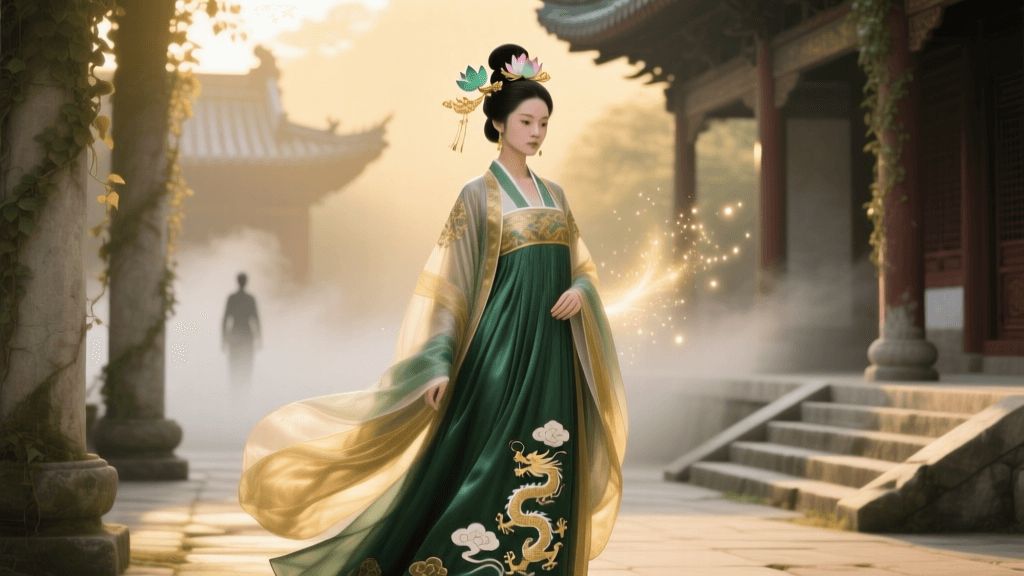
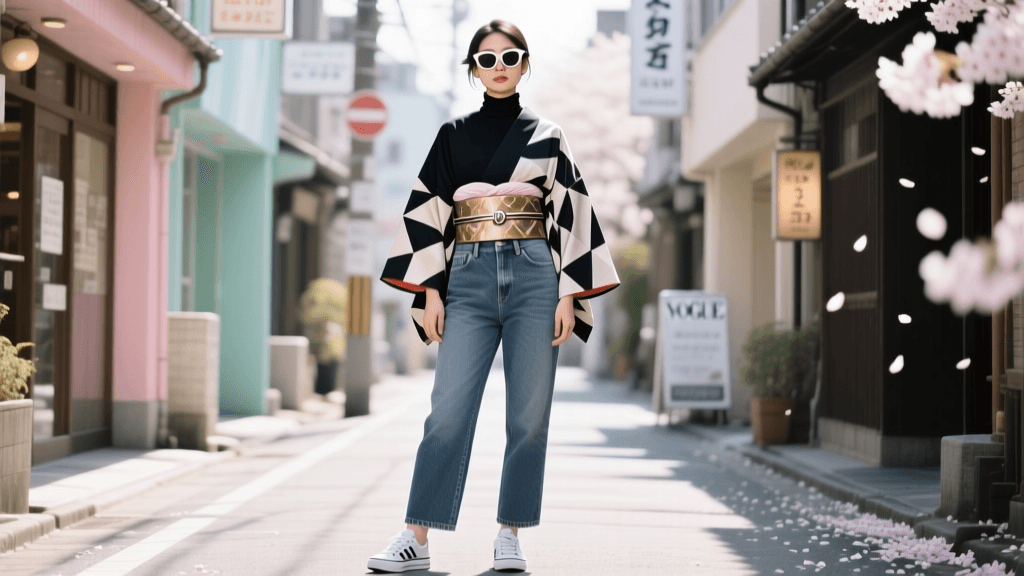
Recreating Yang Guifei's Iconic Tang Dynasty Hanfu Style
The Historical Muse: Yang Guifei and Tang Dynasty Opulence
Yang Yuhuan, universally known as Yang Guifei (719–756 CE), was not merely the beloved consort of Emperor Xuanzong; she was the ultimate fashion icon of the Tang Dynasty. Her profound influence shifted the cultural aesthetic away from the slender, restrictive silhouettes of the preceding Sui and early Tang periods toward a celebration of voluptuousness, opulence, and dramatic proportions. According to Britannica's historical records, her beauty and sartorial choices dictated court fashion, leading to the widespread adoption of wide sleeves, high-waisted skirts, and luxurious silk drapery that defined the golden age of Chinese textile art.
For modern Hanfu enthusiasts and historical costumers, recreating Yang Guifei’s iconic look is a masterclass in understanding traditional Chinese layering, fabric manipulation, and silhouette building. This guide breaks down the anatomy of the late Tang court dress, providing actionable measurements, fabric sourcing advice, and styling protocols to authentically recreate this legendary aesthetic.
Deconstructing the Iconic Silhouette
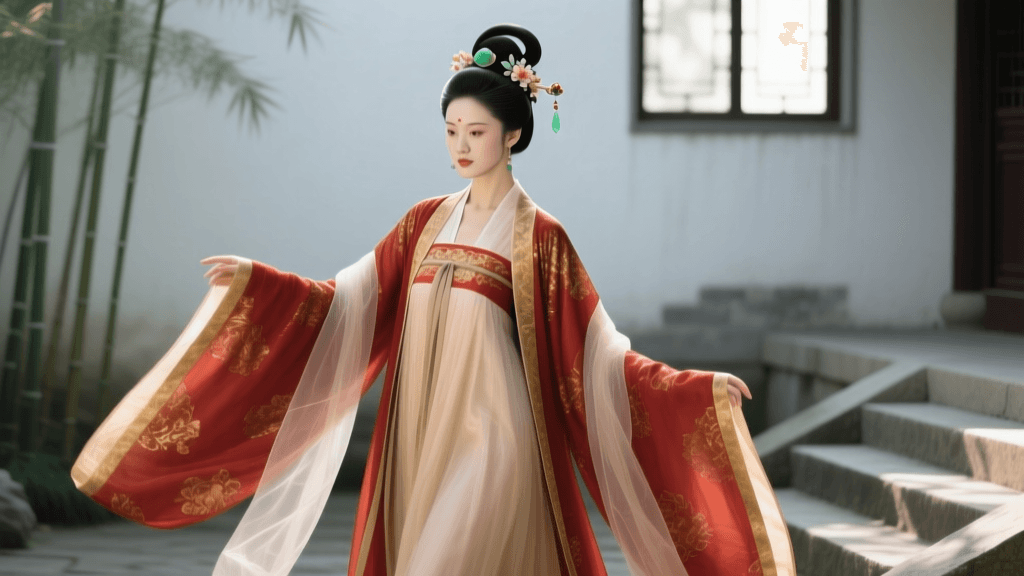
The quintessential "Yang Guifei" silhouette relies on three foundational garments that work in harmony to create a flowing, regal, and deeply romantic profile. Unlike the structured, rigid garments of the later Ming or Qing dynasties, Tang court wear was defined by its soft drape and expansive use of fabric.
1. Qixiong Ruqun (Chest-High Skirt)
The base layer is the Qixiong Ruqun, a skirt tied high above the bust rather than at the natural waist. This elongates the lower body and creates a statuesque, column-like foundation. Historically, these skirts were immensely wide, utilizing up to four meters of fabric to create deep, sweeping pleats that dragged slightly on the floor, emphasizing the wearer's graceful, gliding walk.
2. Da Xiu Shan (Large-Sleeved Robe)
The crowning achievement of the Tang wardrobe is the Da Xiu Shan. This translucent or heavily brocaded outer robe features sleeves that extend far beyond the fingertips, often pooling around the wearer. The wide, open front of the robe reveals the intricate layers of the undergarments and the high tie of the skirt, while the massive sleeves convey a sense of leisure and aristocratic status, as manual labor was impossible in such attire.
3. Pibo (Silk Shawl)
No Tang court ensemble is complete without the Pibo, a long, lightweight silk scarf draped over the shoulders and arms. Originating from Central Asian and Buddhist artistic influences, the Pibo adds dynamic movement to the silhouette, catching the wind and framing the wearer in an ethereal halo of silk.
Sourcing and Measurements: A Practical Recreation Guide
Translating historical court dress into modern, wearable Hanfu requires precise measurements. Commercial Hanfu brands often scale down historical proportions for daily convenience, but to truly capture Yang Guifei's opulent court style, you must seek out or commission "museum-grade" or "ceremonial" proportions.
| Garment Component | Historical Tang Specification | Modern Hanfu Adaptation | Est. Market Cost (USD) |
|---|---|---|---|
| Qixiong Ruqun (Skirt) | 3+ meters wide, floor-dragging | 1.5 - 2 meters wide, ankle-length | $45 - $120 |
| Da Xiu Shan (Outer Robe) | Massive 2m+ sleeves, heavy brocade | 1.2m sleeves, lightweight organza | $80 - $250 |
| Pibo (Silk Shawl) | 3-4 meters long, draped over arms | 2.5 meters, chiffon or silk blend | $15 - $40 |
| Headdress & Ornaments | Gold, jade, kingfisher feathers | Alloy, resin, faux pearls | $20 - $85 |
Actionable Measuring Tips for Custom Orders
- Skirt Length: Measure from your underarm (where the skirt will sit) down to your ankle bone. Add exactly 4 centimeters for the top waistband folding, and 3 centimeters for the bottom hem. For a historically accurate floor-dragging effect, add an additional 10 centimeters.
- Skirt Width: To achieve the deep Tang pleats, the total fabric width must be at least 2.5 to 3 times your bust circumference. If your bust is 90cm, request a skirt width of 270cm.
- Sleeve Length: For the Da Xiu Shan, measure from the nape of your neck, over the shoulder, down to the floor. Authentic ceremonial sleeves should graze the ground when your arms are resting at your sides.
Fabric Selection: Achieving the Tang Drape
The magic of the Tang silhouette lies entirely in the textile. As noted by UNESCO's Intangible Cultural Heritage registry, Chinese silk craftsmanship has been the backbone of luxury fashion for millennia. To recreate Yang Guifei's look, you must understand fabric weights and weaves.
The Base Layer: Zhuanghua Brocade and Damask
The Qixiong skirt and the inner collar of the Da Xiu Shan should feature rich, structural fabrics. Look for Zhuanghua (woven brocade) or heavy silk damask. These fabrics have a high momme weight (typically 22mm to 30mm), providing the necessary stiffness to hold the skirt's pleats upright around the chest without collapsing.
The Outer Layer: Silk Organza (Ou Gen Sha)
The Da Xiu Shan was often made of sheer, translucent materials that allowed the vibrant colors of the under-layers to shine through. Modern recreations frequently use silk organza or high-grade polyester chiffon. If purchasing silk organza, ensure it is at least 12mm to 16mm in weight; anything lighter will lack the body required to hold the massive sleeve shape and will cling unflatteringly to the body.
The Pibo: Soft Mulberry Silk or Chiffon
Unlike the structured robe, the Pibo requires extreme fluidity. A 100% mulberry silk chiffon or a soft georgette (8mm to 10mm weight) is ideal. The fabric must be slippery enough to slide gracefully over the elbows but possess enough surface friction to stay anchored on the shoulders.
The Modern Market: Costs, Brands, and Timing
The contemporary Hanfu market offers a wide spectrum of options for Tang Dynasty recreations. Understanding the market tiers will help you budget effectively and manage your expectations regarding production times.
- Budget Tier ($40 - $80): Brands like Bellus Hanfu or entry-level Taobao shops offer polyester blends and machine-embroidered motifs. These are excellent for casual festivals or photography but lack the structural integrity for formal events. Shipping usually takes 7-14 days.
- Mid-Tier ($90 - $180): Specialized Tang-dynasty brands like Shisanyu and Ningjing Hanyu offer historically informed patterns, genuine silk blends, and intricate jacquard weaves. Expect a 10-20 day processing time before shipping.
- Premium / Custom Tier ($250 - $600+): For museum-quality replicas utilizing authentic gold-leaf weaving techniques and genuine silk brocade, you must commission independent artisans. Be prepared for a 30 to 60-day waiting period, as the fabric is often woven to order on traditional wooden looms.
Styling, Draping, and Etiquette
Wearing the Da Xiu Shan requires specific styling techniques to maintain the garment's elegance. The Pibo drape is particularly crucial. The most historically accurate method for the late Tang court is the "Cross-Drape": center the Pibo at the nape of your neck, bring both ends forward across your chest, cross them over your stomach, and then toss the ends backward over your forearms. This secures the scarf while allowing the ends to trail dramatically behind you.
Hair and Makeup: The Huadian
Yang Guifei’s aesthetic extended to her cosmetics. The Huadian (forehead flower) is a mandatory accessory for this look. Historically crafted from gold leaf, pearl, or kingfisher feathers, modern wearers can use high-quality resin decals or metallic foil stickers applied directly between the brows. Pair this with a "weeping" lip style (where the lip color is concentrated in the center of the mouth and fades outward) and a towering, swept updo secured with a large, ornate Zanzi (hairpin) featuring dangling Buyao (step-shake) ornaments.
"Clouds think of her clothes, flowers think of her face; The spring breeze brushes the threshold, revealing the dew's rich grace."
— Li Bai, "Clear Peaceful Tune" (Qingping Diao), written in praise of Yang Guifei's ethereal beauty and dress.
Conclusion: Embracing the Tang Spirit
Recreating Yang Guifei’s iconic Tang Dynasty Hanfu is more than an exercise in historical costuming; it is an immersion into an era that celebrated boldness, artistic expression, and unapologetic luxury. By paying close attention to the generous measurements of the Da Xiu Shan, selecting the appropriate silk weights, and mastering the drape of the Pibo, modern wearers can channel the confidence and grace of China's most legendary fashion muse. Whether attending a traditional cultural exhibition, participating in a Hanfu parade, or engaging in historical photography, the Tang silhouette remains a breathtaking testament to the enduring power of Asian sartorial traditions.
For further exploration into the evolution of Chinese historical garments and their impact on global fashion, resources such as the Metropolitan Museum of Art's exhibition archives provide invaluable visual references and scholarly context on how these ancient silhouettes continue to inspire the modern world.