Recreating Tang Hanfu: Iconic Styles of Empress Wu and Yang Guifei

The Golden Age of Silk: Tang Dynasty Fashion Icons
The Tang Dynasty (618–907 AD) remains the undisputed golden age of Chinese art, culture, and fashion. Characterized by unprecedented wealth, cosmopolitan trade along the Silk Road, and a relaxed social atmosphere, Tang fashion was bold, vibrant, and structurally innovative. For modern Hanfu enthusiasts and historical fashion scholars, the era offers a treasure trove of sartorial inspiration. Among the myriad of styles, two historical figures stand out as the ultimate arbiters of Tang style: Imperial Consort Yang Guifei and Empress Regnant Wu Zetian. Their iconic wardrobes not only defined the aesthetic of their time but continue to influence contemporary traditional garment revivals.
Recreating these historical looks requires more than just purchasing a costume; it demands an understanding of structural layering, historical textiles, and precise tailoring. In this guide, we break down the iconic outfits of these two legendary women, providing actionable advice, measurements, and sourcing tips for modern practitioners looking to authentically embody Tang Dynasty elegance.
Yang Guifei and the Elegance of the Qixiong Ruqun
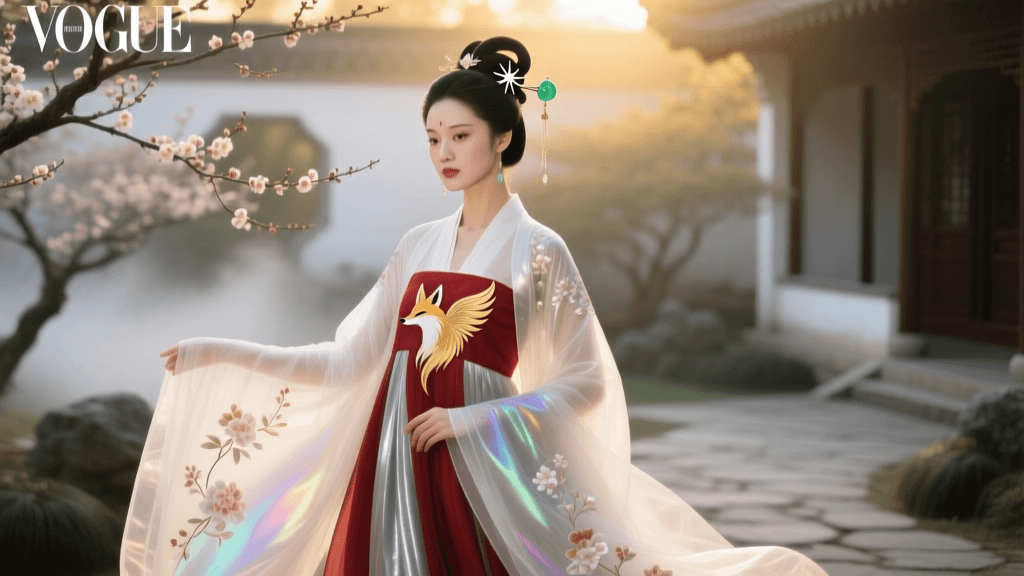
Yang Guifei, one of the Four Beauties of ancient China, was the beloved imperial consort of Emperor Xuanzong. Her style epitomized the Tang ideal of feminine beauty, which favored voluptuous silhouettes, opulent textiles, and sweeping, gravity-defying drapery. Her most iconic garment is the Qixiong Ruqun (chest-high ruqun), a style where the skirt is tied high above the bust, elongating the lower body and creating a majestic, columnar silhouette.
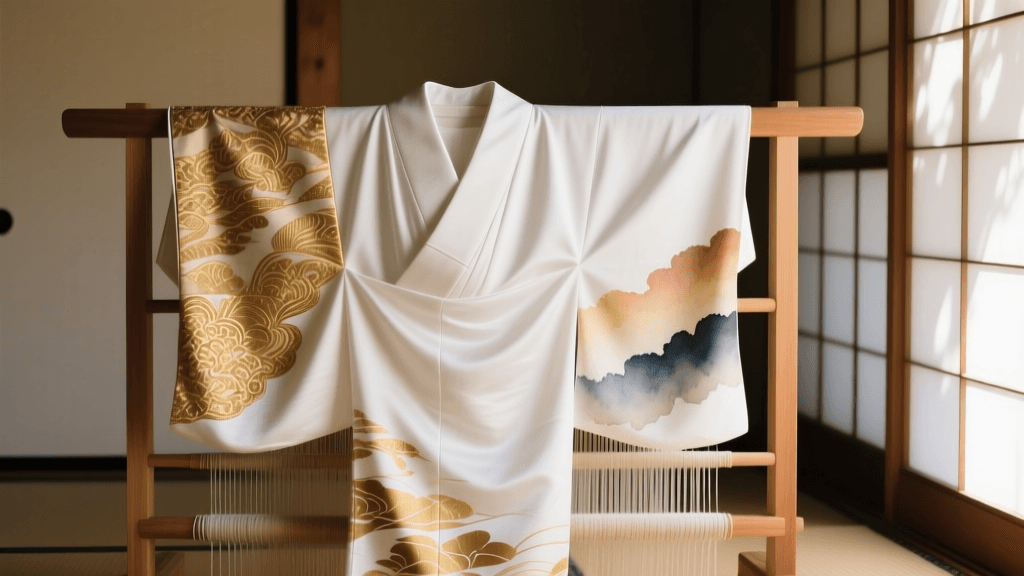
The foundation of these luxurious garments lies in China’s ancient sericulture techniques, recognized by UNESCO as an Intangible Cultural Heritage. To recreate Yang Guifei’s look, the choice of silk is paramount. Historical records suggest the use of lightweight, translucent silks like luo (gauze) and juan (tabby silk) for the outer layers, allowing the vibrant colors of the undergarments to subtly show through.
Actionable Guide: Recreating the Qixiong Ruqun
- Skirt Measurements: A traditional Tang skirt requires immense volume to achieve the correct drape. Aim for a hemline circumference of 3 to 4 meters. If using standard 110cm wide silk chiffon or jacquard, you will need approximately 4.5 to 5 meters of fabric.
- The Moxiong (Tube Top): Essential for structural support beneath the chest-high skirt. Use a stiff cotton or silk-linen blend. Cut a rectangle measuring your bust circumference plus 4 inches for overlap, and 10 inches in height. Attach long silk ties (at least 2 meters each) to secure it tightly.
- The Pibo (Silk Shawl): No Yang Guifei ensemble is complete without the Pibo. Source a 2.5-meter length of lightweight silk organza or printed chiffon (approx. 60cm wide). Drape it evenly over both shoulders, letting the ends hang past the wrists.
- Estimated Cost: A high-quality, custom-tailored Qixiong Ruqun set using genuine mulberry silk will cost between $150 and $300 USD from specialized Hanfu makers.
Tang dynasty court ladies were often depicted in these voluminous silhouettes, as seen in surviving ceramic figurines and scroll paintings preserved in institutions like The Metropolitan Museum of Art. When styling your hair to match this era, opt for the Yunji (cloud bun), adorned with gold-leaf Buyao (buyao hairpins) that sway gently with movement.
Empress Wu Zetian: Power Dressing in the Yuanlingpao
Wu Zetian, the only female emperor in Chinese history, utilized fashion as a tool of political authority. While she certainly wore elaborate court gowns for ceremonial rites, her most iconic and revolutionary daily attire was the Yuanlingpao (round-collar robe). Originally a male garment influenced by Central Asian nomadic riding wear, Wu Zetian and her court ladies adopted the Yuanlingpao to project masculine authority, administrative competence, and imperial power.
The Tang round-collar robe is characterized by its circular neckline, side slits for mobility, and structured shoulders. Recreating this look requires a shift from the soft drapery of the Qixiong Ruqun to sharp, architectural tailoring.
Actionable Guide: Tailoring the Yuanlingpao
- Shoulder and Sleeve Construction: Traditional Hanfu lacks Western-style set-in sleeves. The Yuanlingpao features a drop-shoulder seam. Extend the shoulder seam down the upper arm by about 2 to 3 inches to create the authentic sloping silhouette. Sleeves should be wide and taper slightly at the wrist, ending just at the base of the thumb.
- The Collar: The round collar must sit flush against the neck. Interface the collar band with heavy canvas or buckram to ensure it maintains its circular shape without collapsing. The collar should overlap on the wearer's right side (the traditional Youren rule).
- Fabric Selection: To emulate Wu Zetian’s imperial status, avoid flimsy fabrics. Opt for heavy Song Brocade (Song Jin) or thick silk damask in deep, authoritative colors like imperial yellow, crimson, or dark plum. You will need roughly 4 meters of 140cm wide fabric.
- The Yudai (Jade Belt): Cinch the waist with a structured leather or fabric belt adorned with jade or metal plaques. This not only defines the waist but also provides a place to hang essential court accessories like a Hu (ivory tablet) or a scented sachet.
Comparison Chart: Recreating the Icons
To help you decide which historical persona to channel for your next Hanfu event, festival, or photoshoot, consult the comparison table below.
| Feature | Yang Guifei (Qixiong Ruqun) | Wu Zetian (Yuanlingpao) |
|---|---|---|
| Silhouette | Columnar, high-waisted, flowing | Structured, A-line, architectural |
| Primary Fabric | Silk chiffon, gauze, lightweight jacquard | Heavy brocade, silk damask, wool blends |
| Yardage Required | 5 - 6 meters (including shawl and top) | 4 - 4.5 meters |
| Estimated Cost | $150 - $300 USD | $200 - $450 USD |
| Best Modern Occasion | Spring festivals, lantern fairs, dance | Formal ceremonies, winter events, cosplay |
Essential Undergarments and Structural Layering
A common mistake among beginners is neglecting the undergarments, which are crucial for achieving the correct historical silhouette. For both the Qixiong Ruqun and the Yuanlingpao, the foundational layer begins with the Zhongyi (inner shirt) and Songku (traditional trousers).
The Zhongyi should be made of breathable, unbleached cotton or raw silk. It features a cross-collar that sits slightly higher than the outer garment's collar, providing a crisp, layered contrast at the neckline. For the lower body, Songku (wide-legged trousers) are essential. Even when wearing a floor-length skirt, the trousers ensure modesty and allow for ease of movement, particularly when navigating stairs or sitting in traditional floor-seating arrangements. Budget approximately $40 to $60 for a high-quality, hand-stitched cotton undergarment set.
Seasonal Fabric Choices and Climate Adaptation
China’s diverse climate historically dictated Tang fashion choices, and modern recreations should follow suit. In the sweltering humidity of a southern Chinese summer, historical nobles relied on Xiangyunsha (gambiered Canton gauze). This unique silk is dyed with river mud and the juice of the薯莨 (shulang) yam, resulting in a breathable, moisture-wicking fabric that feels cool to the touch. While authentic Xiangyunsha is expensive (often exceeding $100 per yard), it is the ultimate choice for a historically accurate summer Qixiong Ruqun.
Conversely, for winter recreations of Wu Zetian’s Yuanlingpao, enthusiasts should look to lined robes. Historically, these were lined with rabbit fur, sheepskin, or thick cotton batting. Today, you can achieve a similar structural weight and warmth by using quilted silk linings or heavy wool-blend interlinings, ensuring the robe drapes heavily and resists wind without sacrificing the authentic outer silhouette.
Sourcing and Styling Tips for Modern Enthusiasts
Sourcing authentic Hanfu requires navigating both domestic Chinese markets and international platforms. For the most accurate reproductions, Taobao remains the premier marketplace. When searching, use specific Mandarin keywords: Tangzhi Hanfu (Tang-style Hanfu), Qixiong Ruqun for Yang Guifei's style, and Yuanlingpao for Wu Zetian's robe. Look for shops that provide detailed size charts and offer custom tailoring based on your specific bust, waist, and shoulder-to-floor measurements.
For international buyers, platforms like Etsy or dedicated Hanfu e-commerce sites offer curated selections, though often at a 30% to 50% markup. When accessorizing, do not forget the Huadian—the iconic floral applique worn on the forehead between the eyebrows. Historically made of gold leaf, jade, or painted directly onto the skin, modern enthusiasts can easily replicate this using cosmetic-grade face gems or custom-cut vinyl decals.
Preserving the Legacy
Recreating the garments of Yang Guifei and Empress Wu Zetian is more than an exercise in historical cosplay; it is a profound engagement with China’s material culture. By understanding the precise yardage, the structural importance of the Moxiong, and the cultural weight of the round-collar robe, modern wearers help keep these ancient traditions alive. For further study on historical Asian textiles and garment construction, the Victoria and Albert Museum's Asian Collections offer invaluable visual references for authentic motifs and weaving techniques.
Whether you are draping the ethereal silk shawl of a beloved imperial consort or fastening the jade belt of a formidable empress, the Tang Dynasty invites you to step into a world where fashion was the ultimate expression of poetry, power, and prestige.