Anime Cosplay Guide: Styling Authentic Kimono & Hakama
The Intersection of Anime Cosplay and Traditional Japanese Garments
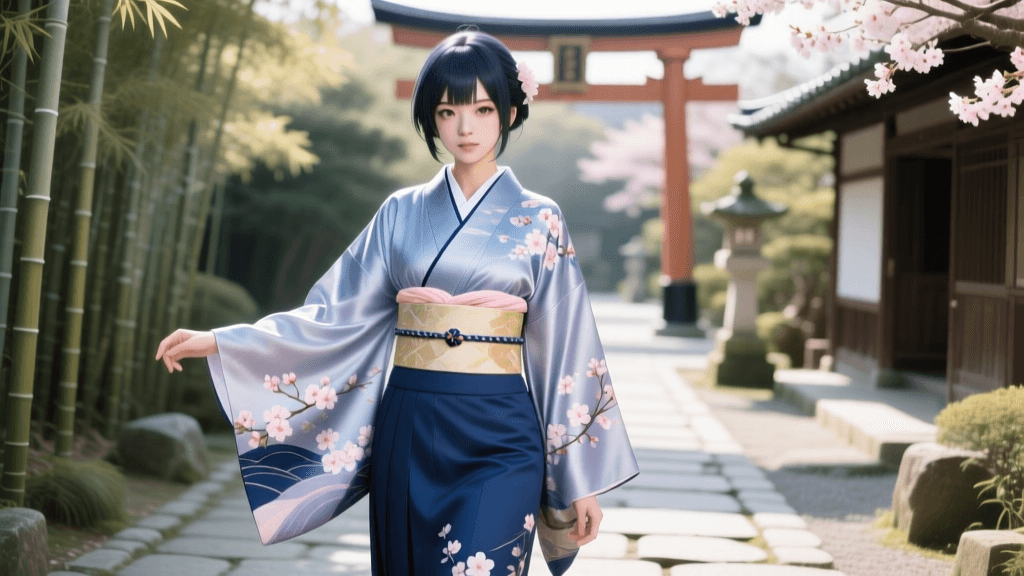
When you walk the floor of any major anime convention, from Anime Expo in Los Angeles to Comiket in Tokyo, you will inevitably encounter characters clad in stunning, historically rooted Japanese garments. Series like Demon Slayer, Sailor Moon, and Rurouni Kenshin have popularized the kimono, hakama, and haori, transforming them from everyday historical wear into iconic symbols of anime culture. However, a growing movement of dedicated cosplayers is moving away from cheap, mass-produced polyester costume knock-offs. Instead, they are sourcing, styling, and wearing authentic, vintage traditional garments to achieve unparalleled accuracy and drape.
Blending authentic Japanese fashion with manga-inspired cosplay requires an understanding of garment construction, proper sourcing, and convention-floor survival tactics. This guide will walk you through how to build an authentic anime cosplay using real traditional garments, ensuring you look incredible while respecting the cultural weight of the clothing.
Sourcing Authentic Pieces: Where and How to Buy
The biggest misconception in the cosplay community is that authentic silk or high-quality synthetic kimono are prohibitively expensive. In reality, the secondhand market in Japan is flooded with vintage garments that can be acquired for less than the cost of a custom-commissioned costume piece.
Online Proxy Services and Auctions
Platforms like Yahoo! Auctions Japan and Mercari Japan are goldmines for cosplayers. By using proxy services such as Buyee or ZenMarket, you can bid on lots of vintage kimono. A standard vintage silk kimono in good condition can cost anywhere from $30 to $80 USD. For characters requiring specific patterns, such as the wisteria motifs seen in Demon Slayer, searching Japanese keywords (e.g., 藤 - fuji) will yield far better results than English searches.
Recycling Shops in Japan
If you are traveling to Japan for a convention or a cultural trip, visit secondhand recycling shops like Chicago Thrift Store in Harajuku or Tansu-ya. These stores sell by weight or offer massive discounts on slightly flawed pieces. A minor stain on the back of a haori jacket is easily hidden by a cosplay wig or weapon harness, making these flawed pieces perfect for convention wear. As noted by BBC Travel, the revival of the secondhand kimono market has made these garments more accessible to younger generations and international enthusiasts alike.
Understanding Fabric Types
Not all vintage kimono are made of silk. For convention wear, where spills, sweat, and unexpected rain are common hazards, seeking out vintage polyester or wool kimono is a highly practical choice. These materials are machine-washable on gentle cycles and resist wrinkling far better than delicate crepe silk. Look for listings that specify washable or check the fabric composition provided by reputable vintage sellers.
Essential Garments and Measurements for Cosplayers
Unlike Western clothing, kimono are not sized by bust, waist, and hip measurements. They are constructed from flat bolts of fabric (tanmono) and folded to fit the wearer. Understanding the key measurements is crucial for achieving the dramatic silhouettes seen in manga.
| Garment Type | Anime Archetype / Example | Key Measurements to Check | Estimated Vintage Cost (USD) |
|---|---|---|---|
| Furisode (Long-sleeve kimono) | Magical Girl, Noble, Oiran (e.g., Mitsuri Kanroji) | Sode-take (sleeve depth): 90-114cm Yuki (wingspan): 60-70cm |
$80 - $250 |
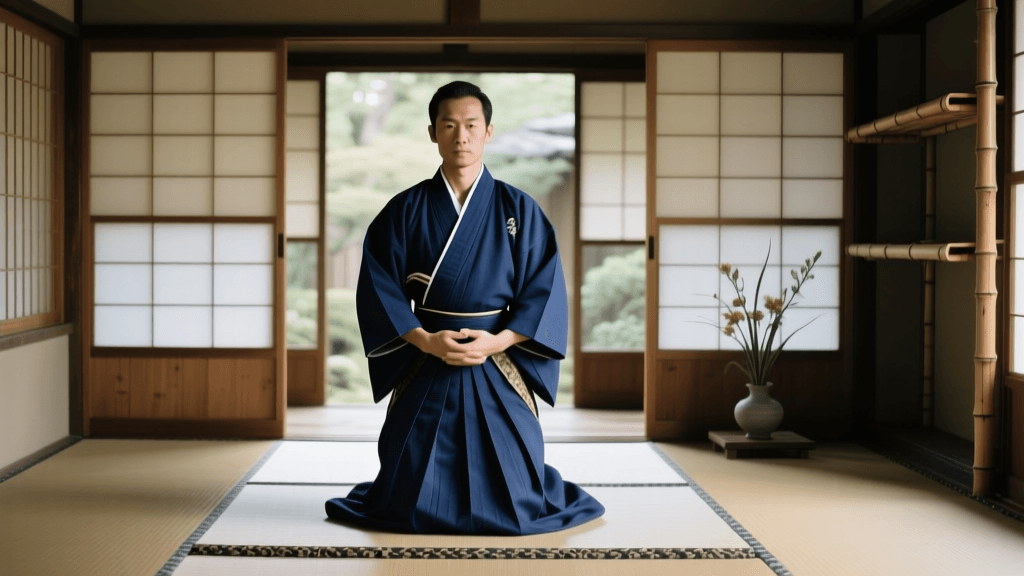
| Hakama (Pleated trousers/skirt) | Samurai, Shrine Maiden, Student (e.g., Kenshin Himura) | Koshi-ita (backboard) height Himo (cord) length: 3m+ |
$40 - $120 |
| Haori (Jacket) | Demon Slayer Corps, Captain, Delinquent | Sode-take (sleeve depth) Mi-take (back length): 80-100cm |
$30 - $90 |
| Jinbei / Yukata (Casual summer wear) | Festival scenes, Slice-of-Life anime | Standard S/M/L sizing is acceptable Shoulder seam alignment |
$20 - $50 |
According to The Metropolitan Museum of Art, the T-shaped silhouette of the kimono is designed to conceal the body's natural curves, creating a cylindrical form. For cosplay, this means you must use binding and padding (such as a kimono bra or folded towels around the waist) to achieve the traditional straight line, which also serves as an excellent base for stylized anime armor or character-specific corsetry.
Styling and Accessorizing for the Convention Floor
Authenticity in anime cosplay relies heavily on the accessories. A beautifully draped kimono can look like a cheap costume if paired with modern sneakers or incorrect undergarments.
Footwear: Zori, Geta, and Tabi
Traditional split-toe socks, known as tabi, are mandatory when wearing zori (straw or foam sandals) or geta (wooden clogs). For anime characters like Inuyasha or traditional samurai, geta provide an imposing height and a distinct clacking sound that commands attention on the convention floor. However, wooden geta can cause severe blistering after eight hours of walking. Pro Tip: Purchase modern rubber-soled tabi boots (jika-tabi) or apply moleskin padding to the thong of your zori to prevent friction burns.
Obi and Obijime
The obi (sash) is the focal point of the kimono. In anime, characters often wear highly stylized, oversized obi bows (like the tateya-musubi or fukura-suzume knots). To achieve these massive structures without the back-breaking weight of a traditional formal maru-obi, cosplayers should use a lightweight hanhaba-obi (half-width obi) and stuff the bow with lightweight crumpled paper or foam to maintain the exaggerated anime silhouette.
Hair and Makeup Crossovers
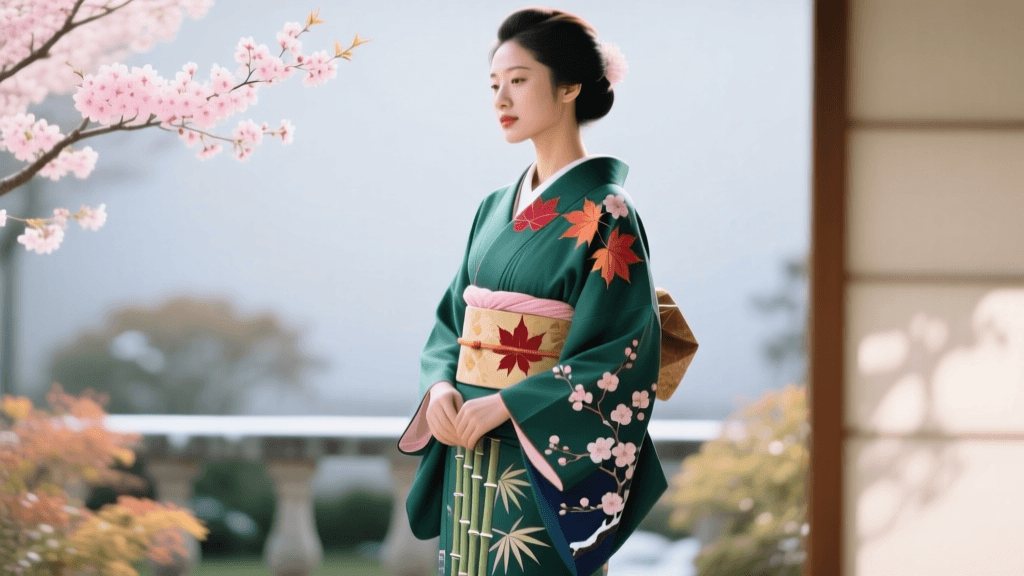
Traditional Japanese beauty standards, characterized by pale foundations, bold red lips, and stylized eyebrows, frequently appear in historical anime like Peacemaker Kurogane or Dororo. When wearing an authentic kimono for these characters, modern cosplay makeup techniques can be seamlessly blended with historical geisha or oiran aesthetics. Use a high-coverage, matte white foundation base to mimic the traditional oshiroi rice powder, but set it with modern translucent powders to withstand the heat of a crowded convention hall. For hair, incorporate authentic kanzashi (ornamental hairpins) into your cosplay wig. Seasonal accuracy is a hallmark of traditional dress; wearing cherry blossom motifs in autumn or maple leaves in spring breaks the immersion for those familiar with the culture. Match your wig accessories to the seasonal motifs woven into your vintage kimono.
Convention Survival: Comfort and Mobility Hacks
Wearing a traditional kimono properly requires multiple layers of ties (koshi-himo), which can restrict breathing and make bathroom breaks a logistical nightmare in a crowded convention center restroom. Here is how modern cosplayers adapt historical dress codes for modern endurance.
- The Elastic Koshi-Himo Hack: Replace traditional cotton ties with wide elastic bands equipped with velcro or plastic clasps. This maintains the tension required to keep the kimono closed while allowing for quick release.
- Hakama Bike Shorts: Hakama are essentially wide-legged trousers. When sitting on the floor or posing for action shots, modesty can be compromised. Wear tight, skin-colored bike shorts or leggings underneath your hakama.
- Collar Clips: The overlapping collar (eri) of a kimono must remain perfectly aligned, with the left side always over the right. Use small, hidden binder clips or double-sided fashion tape at the collarbone to prevent the neckline from gaping during photoshoots.
- Sleeve Management: Furisode sleeves can drag on the ground and catch on convention center escalators. Use a decorative tasuki (a cord used to tie back sleeves) to secure the sleeves to your back when navigating crowded artist alleys or eating in the food court.
Cultural Respect vs. Cosplay Appreciation
As the Victoria and Albert Museum highlights in its extensive exploration of the kimono's history, this garment is not merely a costume; it is a deeply significant cultural artifact with strict rules regarding seasonality, formality, and motifs. When blending traditional wear with anime cosplay, it is vital to maintain a baseline of cultural respect.
First and foremost, never cross the collar right-over-left. In Japanese culture, dressing the right side over the left is strictly reserved for dressing the deceased for burial. Reversing this is considered highly disrespectful and deeply unsettling to Japanese attendees at international conventions. Secondly, avoid pairing sacred garments, such as shrine maiden miko attire, with overly sexualized or inappropriate modifications. While anime often exaggerates proportions and hemlines, adapting a real garment requires honoring its original dignity. If you must alter a hemline for a character, do so using temporary hem tape rather than permanently cutting a vintage silk piece.
By investing time in understanding the mechanics, history, and proper styling of traditional Japanese garments, cosplayers can elevate their craft from simple imitation to a profound celebration of Asian traditions. The result is a stunning, authentic homage that bridges the gap between historical artistry and modern pop-culture fandom.