Building Your First Hanfu Capsule Wardrobe: A 4-Season Guide
Introduction to the Hanfu Capsule Wardrobe
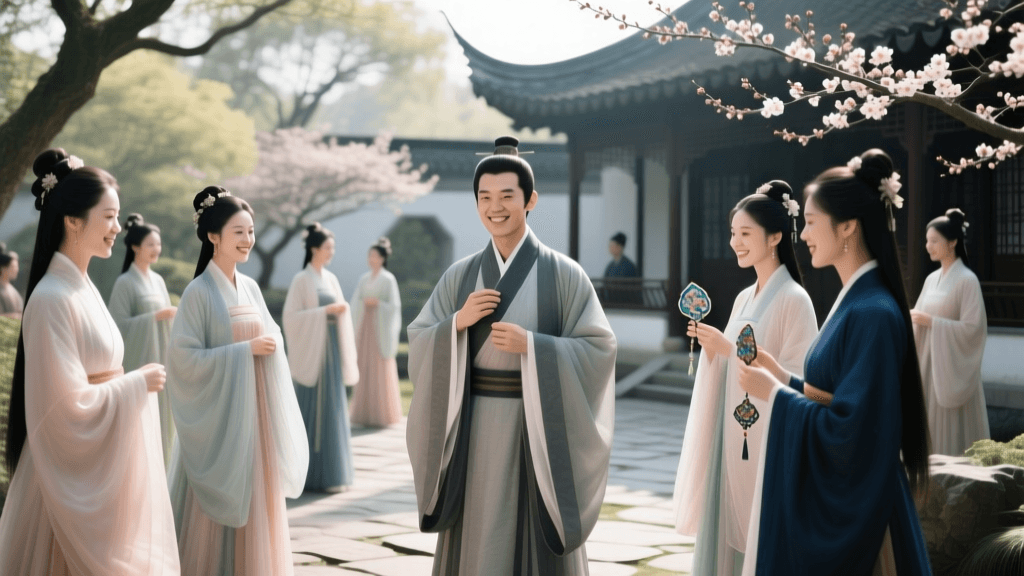
The modern Hanfu movement has beautifully transitioned from niche historical reenactment and ceremonial wear into a vibrant, everyday fashion statement. As more enthusiasts integrate traditional Chinese clothing into their daily routines, the need for a practical, versatile wardrobe has become apparent. Much like modern minimalist fashion, building a Hanfu capsule wardrobe allows you to maximize outfit combinations while minimizing clutter and expense. By focusing on high-quality separates, strategic layering, and historically grounded silhouettes, you can create a functional collection that spans all four seasons.
A well-curated Hanfu capsule relies heavily on the Ming and Song dynasty aesthetics. These periods offer garments that are structurally similar to modern clothing—featuring distinct tops, skirts, and jackets—making them incredibly easy to mix, match, and style for contemporary settings like the office, university, or weekend travel.
The Core Philosophy: Separates Over Robes
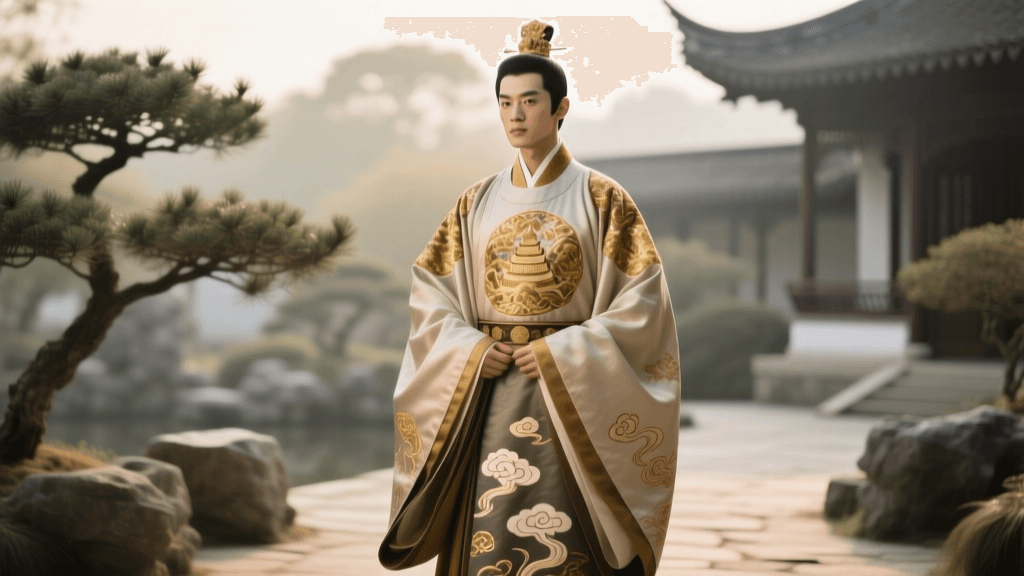
When building a capsule collection, it is crucial to prioritize separates over one-piece robes. While full-body garments like the Shenyi (deep robe) or the sweeping Tang dynasty Qixiong Ruqun are breathtaking, they are difficult to layer and often impractical for daily commuting. Instead, the foundation of a Hanfu capsule wardrobe rests on the Yi (top/jacket) and Qun (skirt) or Ku (trousers) system. This modular approach allows you to swap a heavy winter skirt for a lightweight summer skirt while reusing the same base layers and outer jackets, drastically increasing your cost-per-wear ratio.
Essential Piece 1: The Ming Dynasty Mamianqun
The undisputed anchor of any Hanfu capsule is the Mamianqun, or horse-face skirt. Heavily popularized during the Ming Dynasty, this garment represents a pinnacle of Chinese textile weaving and pleating techniques, as noted in the Metropolitan Museum of Art's Heilbrunn Timeline of Art History, which highlights the era's advancements in silk weaving, textile patterns, and structured garment tailoring.
The Mamianqun features two flat, unpleated panels (the 'horse faces') at the front and back, connected by heavily pleated side panels. This structure allows for ease of movement while maintaining a sleek, A-line silhouette. For a capsule wardrobe, invest in two Mamianquns: one in a neutral, solid color (like navy, charcoal, or cream) made of a polyester-wool blend for autumn and winter, and one in a lighter, breathable fabric with subtle woven patterns for spring and summer. Modern iterations often include convenient side pockets and adjustable waistbands, bridging the gap between historical accuracy and modern utility.
Essential Piece 2: The Song Dynasty Beizi and Banbi
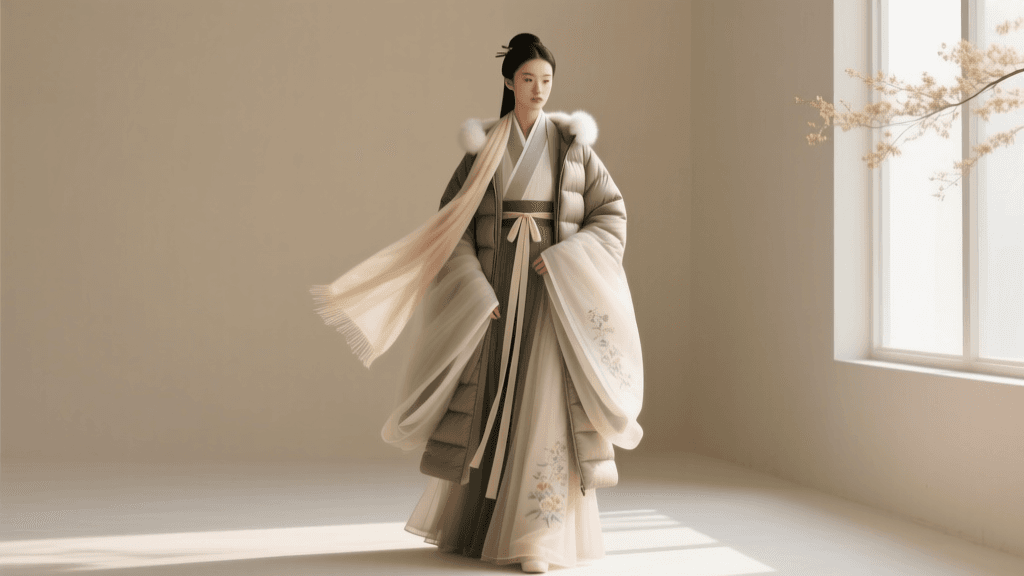
The Song Dynasty favored a more subdued, elegant aesthetic, prioritizing slender silhouettes and refined layering, a cultural shift well-documented in the Song Dynasty historical archives maintained by major cultural institutions. The Beizi is a parallel-collar, open-front jacket that functions much like a modern duster or longline cardigan. It is the ultimate transitional layering piece. A knee-length Beizi in lightweight linen is perfect for breezy summer evenings, while a heavily embroidered, fleece-lined Beizi serves as a stunning winter coat.
To complement the Beizi, include a Banbi (half-sleeve vest) in your capsule. The Banbi is worn over a base top but under a jacket, adding a pop of color and an extra layer of warmth without the bulk of full sleeves. It is an excellent tool for adapting to fluctuating indoor and outdoor temperatures.
Essential Piece 3: Base Layers and Trousers
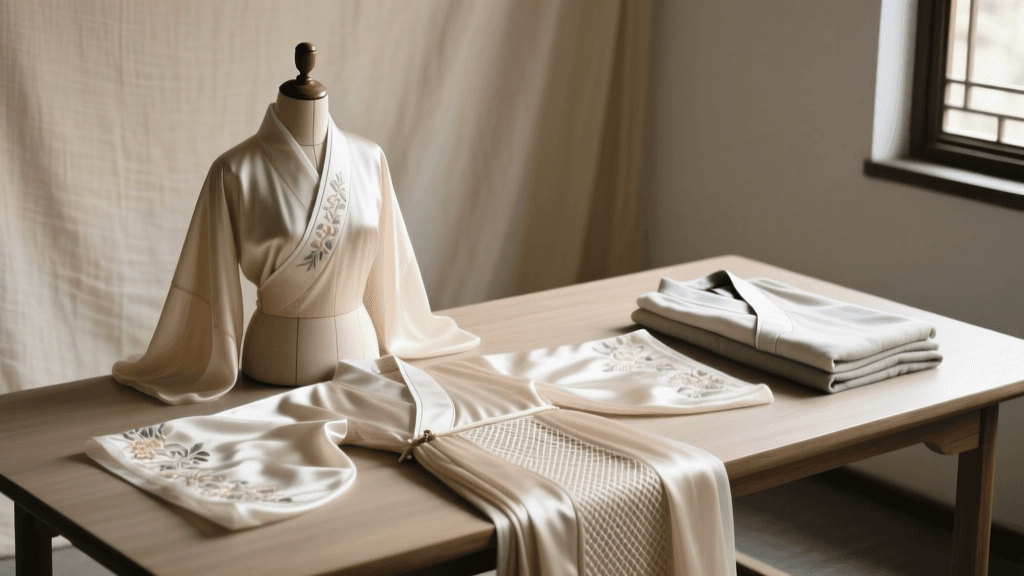
Every capsule needs reliable base layers. The Jiaoling Youren (cross-collar, right-over-left) top is the most historically ubiquitous inner shirt. Purchase three of these in breathable cotton or linen blends: one white, one black, and one in a soft pastel. For those who prefer pants or need a practical option for cycling and active travel, Song-style Ku (wide-leg trousers) with gathered ankles are incredibly comfortable and pair beautifully with shorter Beizi jackets or tucked-in cross-collar tops.
Capsule Wardrobe Breakdown
Below is a structured guide to the essential pieces, their historical origins, optimal seasons, and estimated costs from reputable modern Hanfu brands (such as Ming Hua Tang, Shi San Yu, or Zhong Ling).
| Garment | Dynasty Inspiration | Best Season | Recommended Fabric | Est. Cost (USD) |
|---|---|---|---|---|
| Mamianqun (Solid) | Ming | Fall / Winter | Polyester-Wool Blend | $45 - $85 |
| Mamianqun (Patterned) | Ming | Spring / Summer | Jacquard or Lightweight Silk | $60 - $120 |
| Beizi (Long Jacket) | Song | All-Year (Layered) | Linen (Summer) / Brocade (Winter) | $50 - $110 |
| Banbi (Half-Sleeve Vest) | Song / Ming | Fall / Spring | Cotton Blend | $30 - $60 |
| Jiaoling Youren (Base Top) | General | All-Year | Bamboo or Cotton | $20 - $40 |
| Song Ku (Wide Trousers) | Song | Spring / Summer | Linen or Rayon | $25 - $50 |
Sizing, Measurements, and Ordering Logistics
Ordering Hanfu requires a shift in how you think about sizing. Unlike Western fashion, which often relies on standard S/M/L charts based on body-hugging tailoring, traditional Chinese garments are cut using flat measurements. You must know your precise body measurements and compare them to the garment's flat lay dimensions.
- Bust and Shoulder: For cross-collar tops, the bust measurement of the garment should be at least 10-15 cm larger than your actual bust to allow for the fabric to wrap comfortably and lay flat without gaping.
- Waist and Skirt Length: Mamianquns are typically sized by waist circumference. Ensure the waistband length includes an extra 2-3 cm for the overlap. For daily wear and commuting, the ideal skirt length should end 3 to 5 cm above your ankle bone. This prevents the hem from dragging on wet pavement or catching in escalators.
- Timing: Many top-tier Hanfu brands operate on a pre-order or made-to-order model. Always plan your seasonal purchases 30 to 45 days in advance to account for production and international shipping times.
Traditional Color Theory for Mix-and-Match
To ensure your capsule pieces coordinate effortlessly, draw inspiration from traditional Chinese color palettes. Instead of relying on stark blacks and whites, incorporate historically significant hues that act as sophisticated neutrals. Yuebai (moon white, a very pale, cool blue) and Tianqing (sky blue, the color of the sky after rain) are incredibly versatile and pair beautifully with warm earth tones. For a striking accent piece, consider a garment dyed in Zhu Sha (cinnabar red) or Ya Huang (a soft, elegant yellow). By keeping your heavy, expensive outer layers in neutral tones and using base layers and accessories for color, you can create dozens of unique outfits from just a few garments.
Fabric Care and Maintenance
Proper care is essential to maintain the structural integrity of your capsule. When selecting summer pieces, understanding the heritage and properties of your fabrics is crucial; the Encyclopedia Britannica's overview of silk production details how different silk weaves, like lightweight crepe or habotai, offer breathability but require delicate handling. Hand-wash silk and linen pieces in cold water with a pH-neutral detergent, and never wring them out. For Mamianquns, especially those with sharp, heat-set pleats, avoid machine washing. Instead, spot clean the flat panels and hang the skirt in a steamy bathroom to release wrinkles. Store your skirts hanging by the waistband to preserve the pleat structure, and use padded hangers for your Beizi jackets to maintain the shoulder lines.
Conclusion
Building a Hanfu capsule wardrobe is an exercise in intentional dressing. By selecting versatile Ming and Song dynasty separates, understanding the nuances of flat-pattern sizing, and embracing traditional color theory, you can curate a collection that is both historically respectful and highly functional for the modern world. Start with a solid Mamianqun and a classic Beizi, and watch as your daily wardrobe transforms into a living, breathing expression of Asian sartorial heritage.