New Chinese Style: The Ultimate Xin Zhongshi Fashion Guide
The Rise of Xin Zhongshi: Redefining Modern Asian Fashion
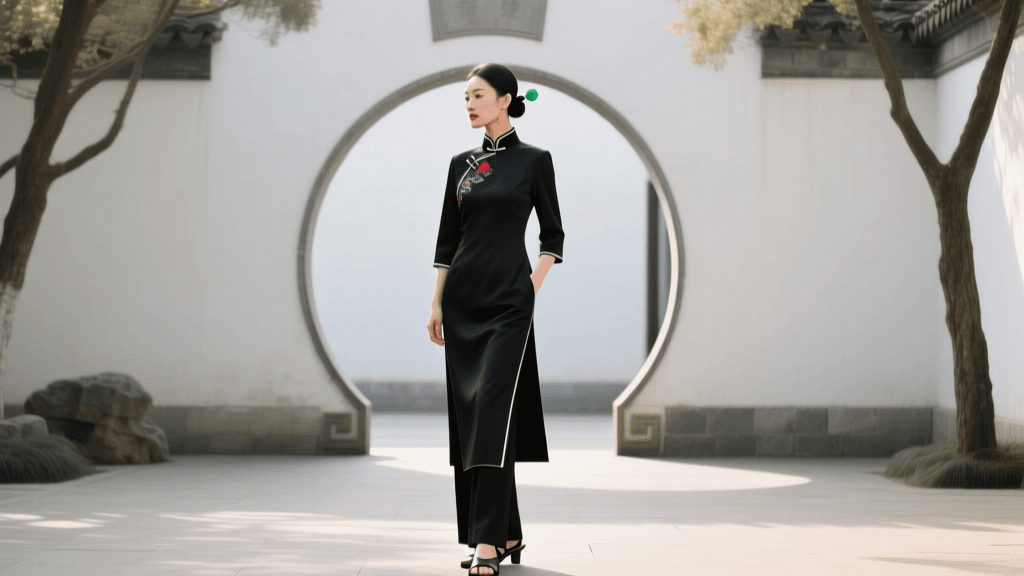
Over the past few years, the global fashion landscape has witnessed a profound shift toward cultural heritage, and nowhere is this more evident than in the explosive popularity of the New Chinese Style, known natively as Xin Zhongshi (新中式). Unlike the strict historical reenactment of the Hanfu movement or the streetwear-heavy aesthetics of Guochao (national trend), Xin Zhongshi is a sophisticated, highly wearable fusion. It seamlessly integrates traditional Chinese sartorial elements—such as Mandarin collars, frog buttons, and ancient weaving techniques—into contemporary, everyday silhouettes like oversized blazers, slip dresses, and wide-leg trousers.
This movement is not merely a fleeting trend; it is a cultural renaissance. According to Vogue Business, the Xin Zhongshi trend represents a maturation of the Chinese fashion consumer, who now seeks quiet luxury and cultural resonance over loud logos. For fashion enthusiasts and cultural historians alike, understanding how to curate, style, and care for New Chinese Style garments is essential for participating in this elegant sartorial dialogue.
What Exactly is Xin Zhongshi?
To master the New Chinese Style, one must first understand its boundaries. While Hanfu focuses on replicating the exact cuts, layers, and rules of the Han, Tang, Song, and Ming dynasties, Xin Zhongshi extracts the essence of these eras and applies them to modern tailoring. It is about subtlety. A traditional Song-dynasty camisole (moxiong) might be paired with a sharply tailored Western suit, or a classic cheongsam collar might be applied to a chunky knit sweater. As noted by the South China Morning Post, younger consumers are driving this trend because it allows them to express national pride and cultural identity without sacrificing modern comfort or professional appropriateness.
Core Design Elements and Measurements
When shopping for or designing Xin Zhongshi pieces, paying attention to specific traditional details is what elevates a garment from costumey to couture. Here are the foundational elements to look for:
The Modern Mandarin Collar (Libao)
The stand collar is a hallmark of Chinese tailoring. However, historical collars were often stiff and high, restricting movement. In New Chinese Style, the collar is softened and lowered for daily wear. When measuring for a custom piece or buying off-the-rack, look for a collar height between 2.5 cm and 4 cm. The edges should feature a gentle curve (Yuanlingbao) rather than a harsh, straight cut, allowing it to frame the jawline elegantly without chafing the neck.
Pankou (Frog Buttons)
Pankou are knotted fabric fasteners that serve as both functional closures and intricate jewelry-like embellishments. While traditional floral and butterfly knots are beautiful, Xin Zhongshi often utilizes minimalist geometric knots, or even integrates metal and jade beads into the fabric knots for a contemporary edge. A well-placed single Pankou at the sternum on a modern silk blouse adds immediate cultural context without overwhelming the design.
Heritage Fabrics: Xiangyunsha and Song Brocade
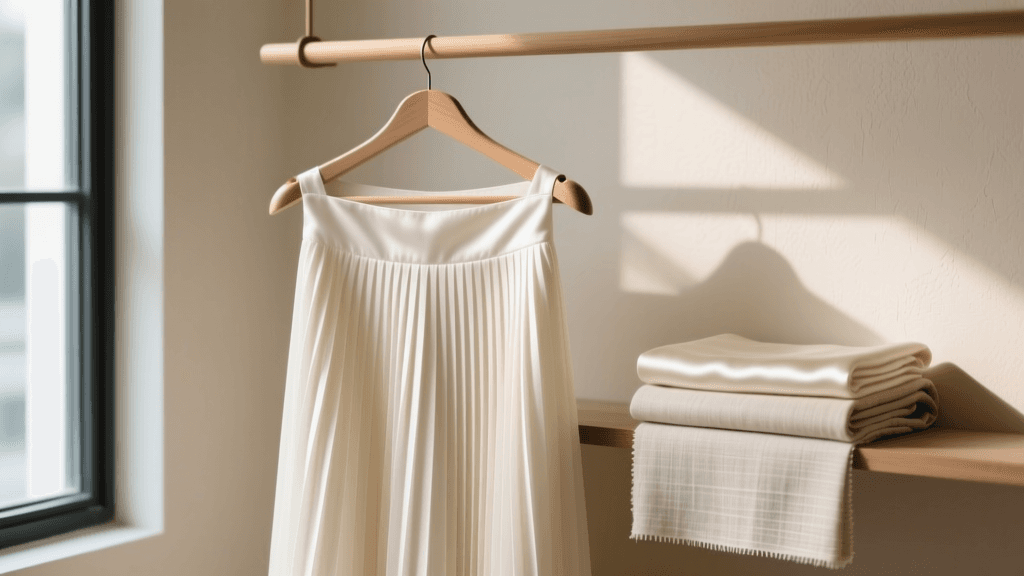
Fabric choice is paramount. Xiangyunsha (gambiered Canton gauze) is a highly prized, sustainably dyed silk that features a distinctive crackled texture and a rich, dark patina. It is breathable, water-resistant, and possesses a unique structural drape. Alternatively, lightweight Song brocade (Songjin) offers subtle, tone-on-tone jacquard patterns that catch the light beautifully in modern slip skirts and bomber jackets.
Actionable Styling Guide: Integrating Xin Zhongshi
Styling New Chinese Style requires a balanced approach, adhering to the 'one traditional, two modern' rule to maintain an effortless, contemporary silhouette. Here is how to build your wardrobe across different scenarios:
- The Corporate Office: Pair a 19-momme silk crepe camisole featuring a subtle bamboo jacquard and a low 2.5cm Mandarin collar with a structured, oversized wool blazer and wide-leg crepe trousers. The contrast between the fluid, historical silk and the sharp, modern tailoring creates a powerful, authoritative look.
- Weekend Casual: Opt for an Xiangyunsha button-down shirt, left unbuttoned at the top, layered over a crisp white organic cotton t-shirt. Pair this with raw-hem denim and leather loafers. The dark, earthy tones of the gambiered silk ground the casual denim perfectly.
- Evening Elegance: A bias-cut slip dress inspired by the 1930s Qipao, but stripped of the restrictive side slits and high collars. Look for dresses that utilize modern draping techniques but feature a single, dramatic Pankou closure at the shoulder or waist. Pair with minimalist strappy heels and jade drop earrings.
Wardrobe Building: Cost and Styling Matrix
Building a Xin Zhongshi wardrobe requires an understanding of fabric costs and garment types. The following table provides a structured guide to help you budget and plan your purchases based on occasion and material quality.
| Occasion | Key Garment | Recommended Fabric | Estimated Cost (USD) |
|---|---|---|---|
| Corporate / Formal | Mandarin Collar Blazer | Wool-Silk Blend, Satin Lapels | $250 - $600 |
| Smart Casual | Pankou Button-Down Shirt | 16-Momme Silk Crepe or Linen | $80 - $180 |
| Weekend / Leisure | Wide-Leg Trousers | Xiangyunsha (Gambiered Gauze) | $150 - $350 |
| Evening / Event | Brocade Slip Dress | Song Brocade, Bias-Cut | $200 - $500 |
| Layering / Outerwear | Quilted Vest (Beizi style) | Cotton Sateen, Silk Batting | $120 - $280 |
Where to Shop: Brands and Price Points
The market for Xin Zhongshi is vast, ranging from avant-garde luxury to accessible independent studios. Jing Daily reports that luxury brands are now actively integrating these elements to capture the discerning Asian market, but the true heart of the movement lies with specialized designers and indie labels.
High-End and Avant-Garde ($500 - $2,000+)
For investment pieces, look to designers like Samuel Guì Yang, who masterfully blends Western tailoring with traditional Chinese draping and rubberized silk treatments. Uma Wang is another pioneer, utilizing distressed, tea-dyed fabrics and historical silhouettes that feel deeply romantic and wearable. These pieces are architectural and often feature custom-developed heritage textiles.
Mid-Tier and Commercial ($150 - $500)
Brands like MS MIN and JNBY (Just Naturally Be Yourself) offer excellent entry points into the New Chinese Style. MS MIN is renowned for its modern interpretations of the Song dynasty aesthetic, utilizing clean lines and luxurious silk-blend jacquards. JNBY offers a more relaxed, deconstructed take on traditional layering, perfect for everyday wear.
Accessible and Indie Studios ($30 - $120)
For those on a budget, platforms like Taobao and Xiaohongshu (Little Red Book) are treasure troves of independent Xin Zhongshi studios. When searching, use the exact keywords '新中式女装' (New Chinese Style Women's Wear) or '宋制改良' (Modified Song Dynasty). Look for studios that provide detailed measurement charts and specify the 'momme' weight of their silk (aim for 16-19 momme for durability and drape).
Garment Care: Preserving Heritage Textiles
Owning Xin Zhongshi garments means taking on the responsibility of caring for delicate, often naturally dyed textiles. Improper care can ruin the structural integrity of a Pankou knot or strip the patina from Xiangyunsha.
- Xiangyunsha (Gambiered Silk): This fabric is uniquely sensitive to alkaline substances. Never use standard laundry detergents. Hand wash in cold water using a pH-neutral silk wash or even a mild baby shampoo. Do not wring the fabric; instead, roll it in a clean towel to absorb excess moisture and dry it flat in the shade. Direct sunlight will cause the natural mud-and-yam dye to fade and become brittle.
- Song Brocade and Jacquards: Due to the complex floating threads in jacquard weaves, snagging is a high risk. Store these garments folded with acid-free tissue paper to prevent the heavy threads from pulling on the hangers. Dry cleaning is highly recommended for structured brocade blazers to maintain their internal fusing and shape.
- Pankou Maintenance: The intricate knots can lose their shape when wet. If a knot becomes misshapen after steaming or washing, use a blunt needle or a bamboo skewer to gently push the fabric loops back into their original geometric alignment while the garment is still damp.
The Future of Asian Traditional Fashion
The Xin Zhongshi movement is far more than a seasonal aesthetic; it is a permanent evolution in how Asian heritage is consumed and worn globally. By stripping away the rigidity of historical costume and embracing the fluidity of modern life, New Chinese Style offers a deeply personal way to wear one's culture. Whether you are investing in a hand-loomed Xiangyunsha coat or simply adding a silk camisole with a subtle frog button to your daily rotation, you are participating in a living, breathing tradition that honors the past while boldly dressing the future.